There is something quietly grounding about Shafiqul Kabir Chandan. He does not carry the air of an artist chasing fame or applause. Instead, he carries the quiet steadiness of someone who has spent a lifetime listening to thread, texture and memory. When he speaks about art, he rarely begins with exhibitions or awards. He begins with touch. Once he said, “I sign my name not in ink, but in fiber.” In his voice, it does not sound poetic or dramatic. It sounds true.
Born in 1968 in Narsingdi, Bangladesh, a region known for its rich weaving heritage, Shafiqul grew up in a world shaped by handmade textures. Cane fences, woven mats, hay carefully tied before monsoon winds, these were not art objects, just parts of everyday rural life. But for a sensitive child, they leave a deep impression. Those early surfaces and quiet labours of village hands stayed with him. Years later, even after travelling across countries and continents, they would return in his work in subtle and powerful ways.
At the age of fifteen, he left home in search of education. It was not an easy journey. Moving away from the warmth of his mother’s household that filled with agricultural rhythm and craft sensibility, he stepped into a wider world of study and struggle. He received formal training in art at the University of Dhaka, completing his Bachelor of Fine Arts in 1993. Later, he travelled to Santiniketan in India, where he completed his Master of Fine Arts in Fibre Art at Kala Bhavana, Visva Bharati University, in 1999. Santiniketan shapes him not only in skill but in spirit. It deepens his understanding that art can be both personal and philosophical.
During his student years, he received merit scholarships. In 1995, he earned an Honourable Mention Award in the United Nations 50th Anniversary Painting Competition organised by Bangladesh Shilpakala Academy. Recognition arrives, but it never pulls him away from the loom. The loom remains his true teacher. Through weaving, he learns patience. Through tension, he understands balance. He realises that fiber has memory and that the strain of thread can mirror the strain of life.
Shafiqul often describes his practice as existing between the tangible and the invisible. Fiber becomes story. Knots carry emotion. Fabric becomes a living archive. His work speaks of migration, displacement, identity, urban tension, and memory. These are not distant themes. They are realities he has lived. His journey from Bangladesh to India for study, and later to Europe as a migrant, shapes both his life and his art.
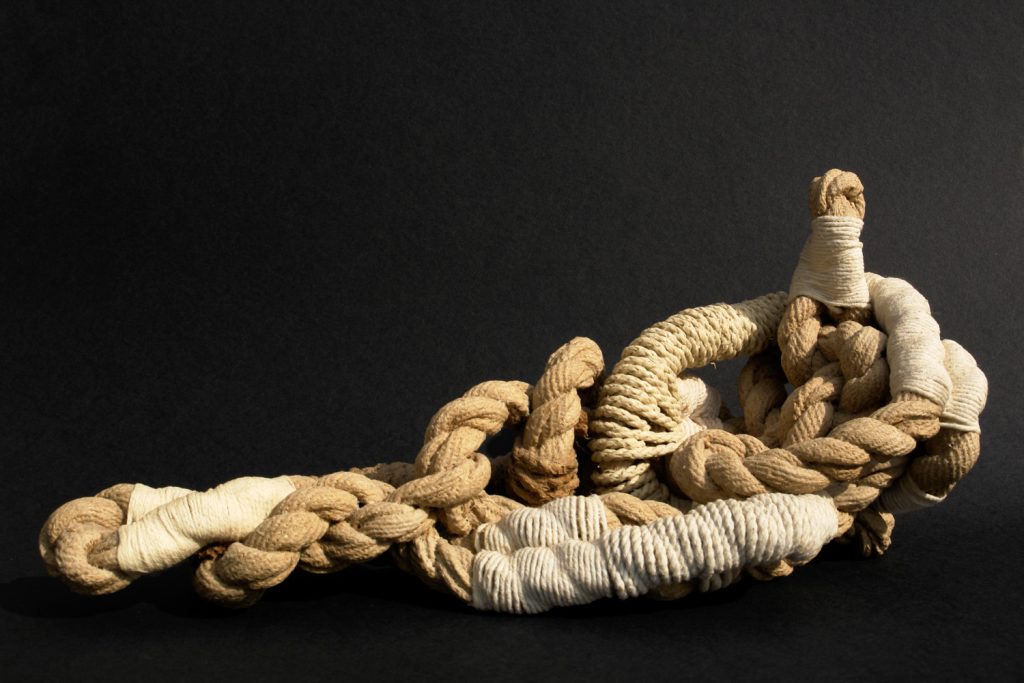
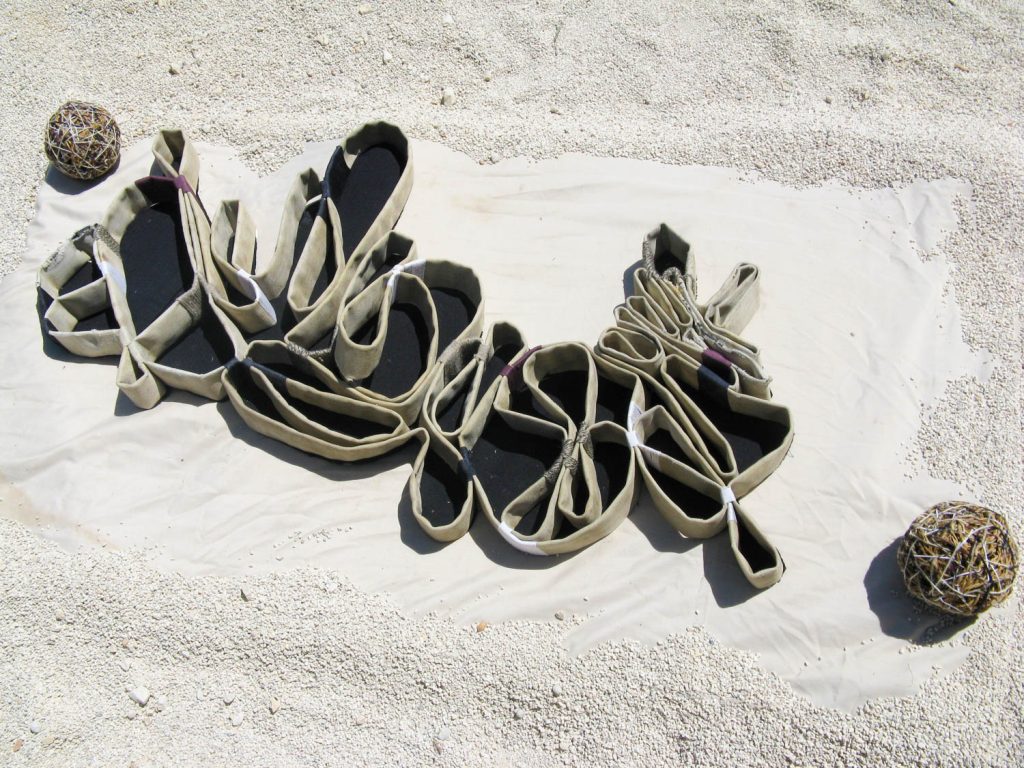
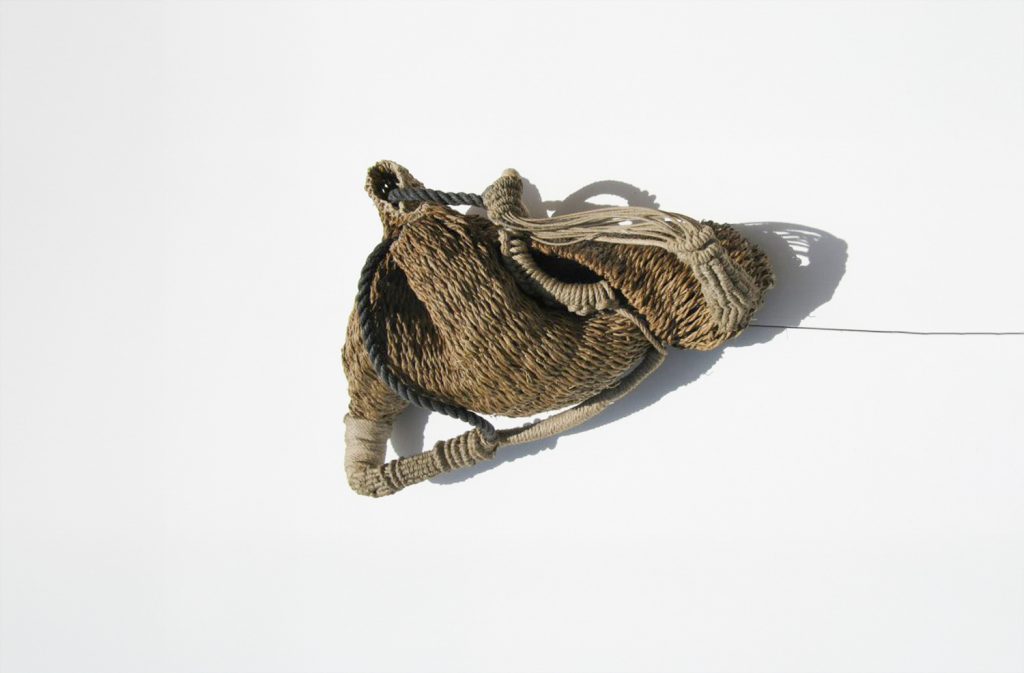
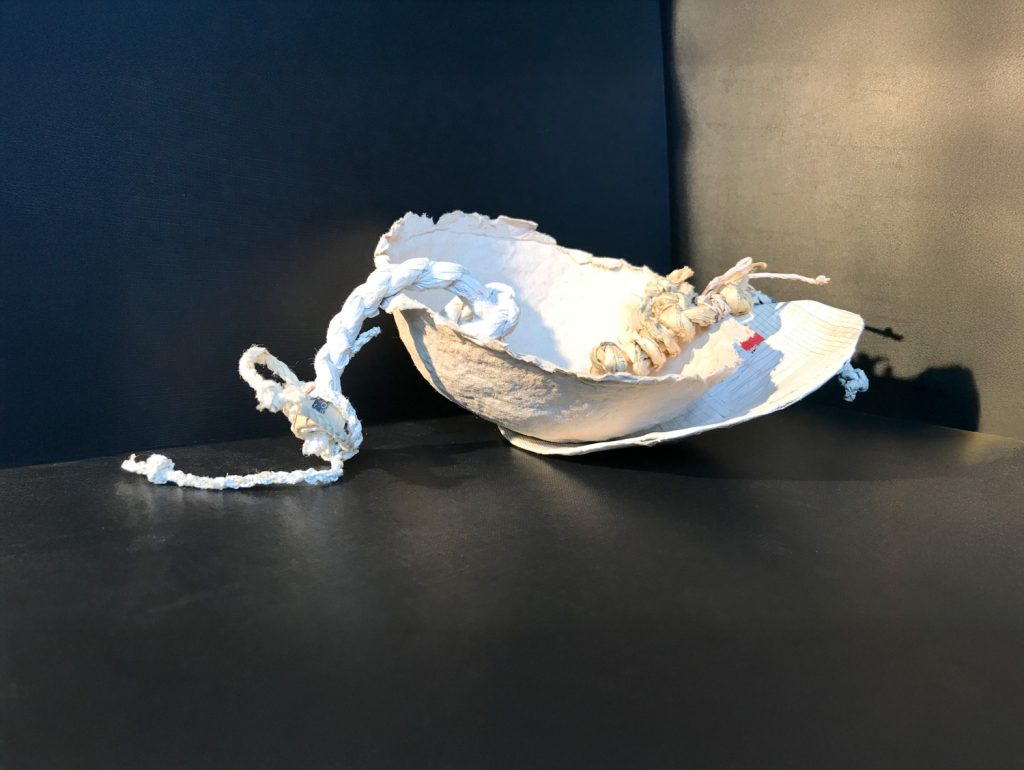
In his hands, a knot is never just functional. It becomes a symbol of connection, complexity, and endurance. He learns traditional techniques from village weavers in different weaving regions of Bangladesh and West Bengal. He listens to master artisans whose knowledge passes from one generation to the next. At the same time, he experiments and develops his own visual language. This meeting of inherited tradition and personal exploration reflects his layered identity. His works, such as Organic Form, Waiting for Vicinity, the Mythical Pitcher Series, Heroic folk deity, Grace of ornate hedge and Search of an antiquarian image, are not flat compositions. They hang, expand, and breathe within space. They seem to occupy the air itself. Sometimes they feel like fragments of landscape or like parts of a body. Always, they feel personal.
The pictures I weave with cotton and thread are as artistic and expressive as any painting on canvas
he says. There is no defensiveness in his voice, only certainty.
There is one material that carries a particular weight in his journey: Muslin. Once known globally as “woven air,” Bengal’s is so fine it almost disappears in the hand. It travelled to ancient Rome and shaped global trade. Under colonial rule, however, the industry was destroyed, and its weavers suffered greatly.
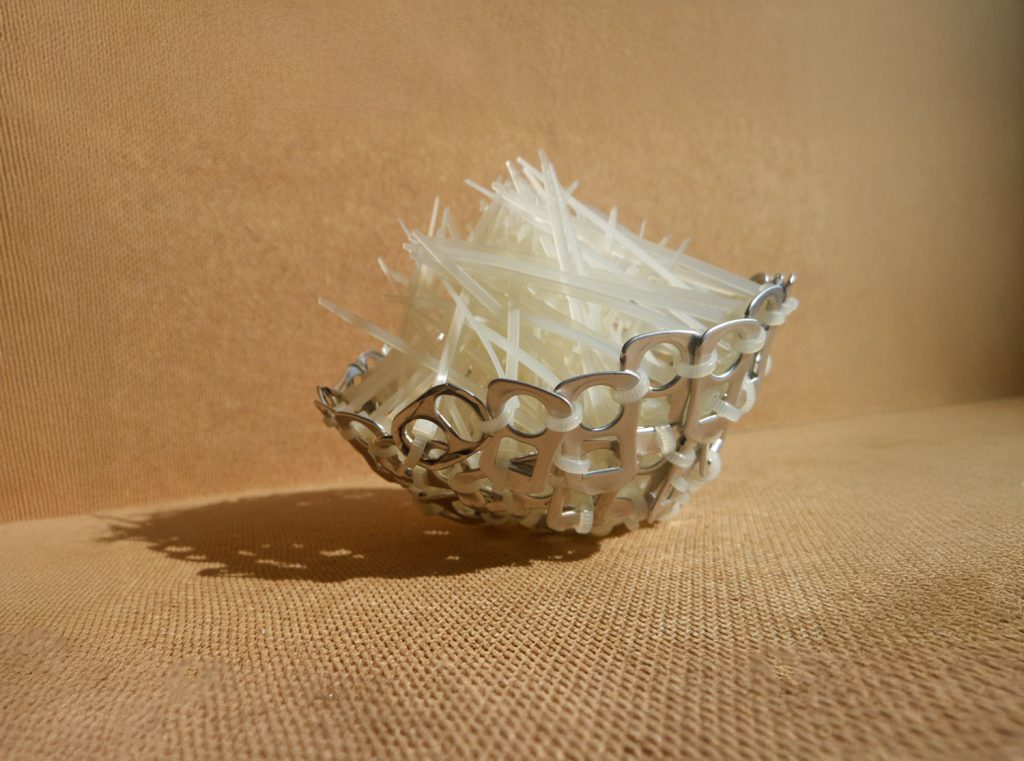
For Shafiqul, working with Muslin is a heartfelt commitment. He feels a quiet responsibility to carry this beautiful tradition forward. When his woven artworks are exhibited in European cities, they embody and carry forward the proud legacy of Bengal’s muslin heritage. Shafiqul Kabir does not confine himself to one fiber or tradition. Jute, cotton, hemp, silk and wool, he chooses what responds to his touch. Sometimes he introduces bamboo, rubber, nylon, metal, or even newspaper fragments.
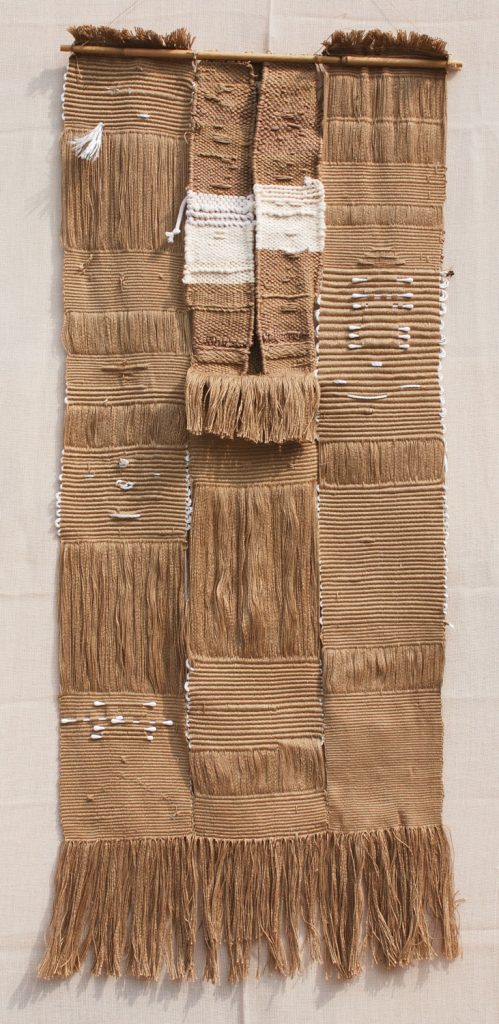
Traditional techniques like macramé, appliqué, stitching, and tassel work blend naturally with experimentation.
. He does not force the material to obey him. He listens to what it wants to become.
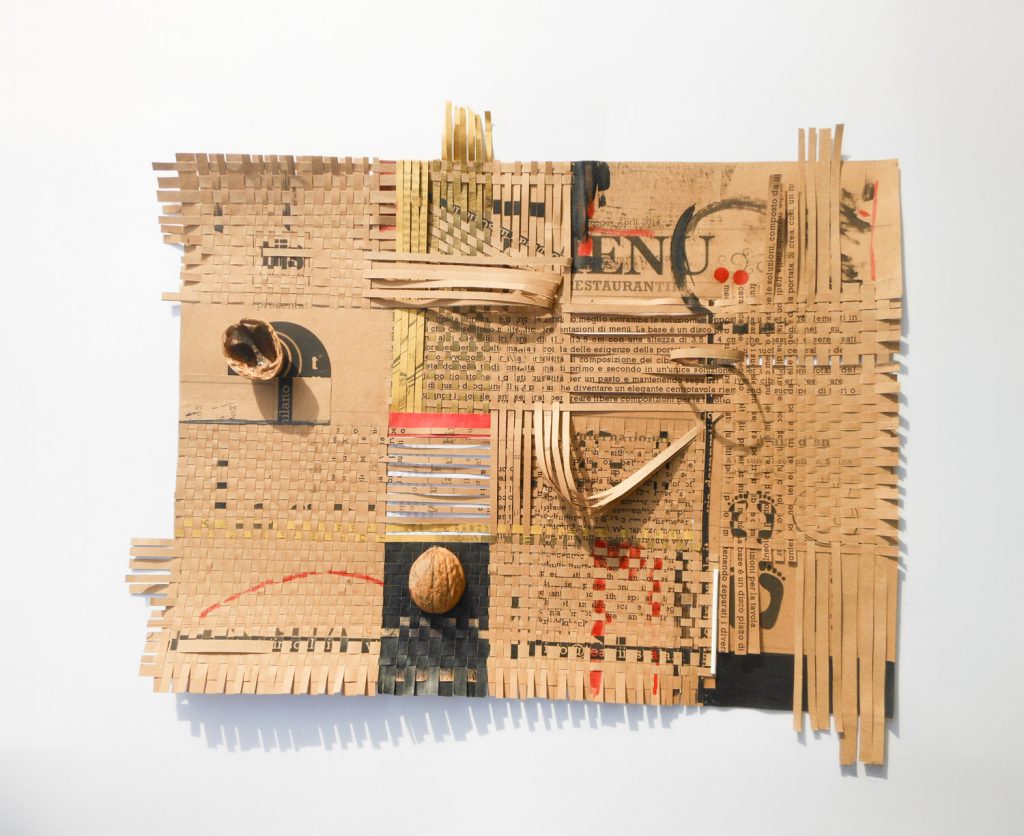
After all, cloth is intimate. It touches the skin and wraps the body. It marks ritual, labour, faith, and resistance. Shafiqul understands this intimacy deeply. Each woven line becomes a quiet tribute to the anonymous makers of the countless hands that shape culture without ever signing their names. In a fast-moving world, he chooses slowness. That slowness becomes his quiet form of resistance.
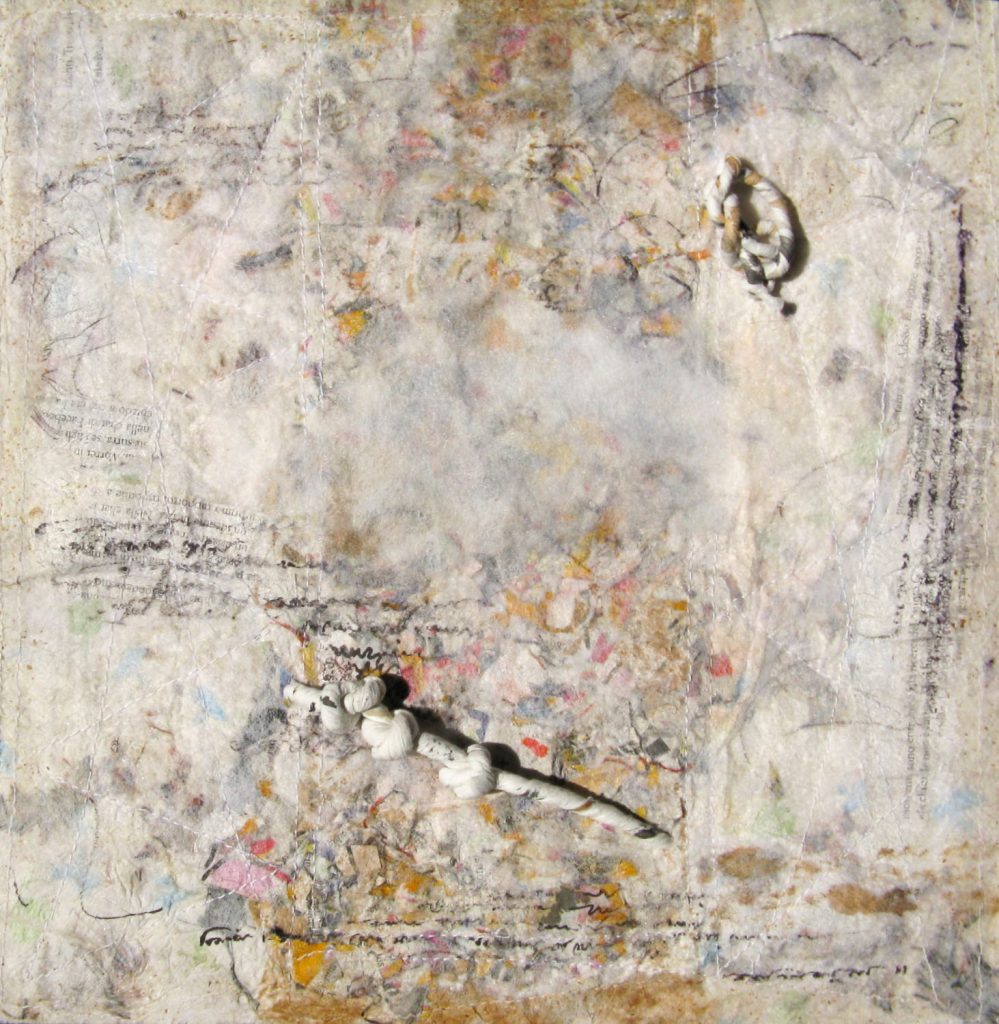
From Dhaka to Kolkata, Palermo to Plzen, Rome to Lisbon, Milan to Valle d’Aosta, London to beyond, his solo exhibitions map a journey of persistence. Later, Italy became an important chapter in his life where he spent many years as a migrant artist, building both his practice and his identity in a new environment. Today, he lives in Loughborough, United Kingdom, with his wife Jhuma Dutta and their two children, Boyon Dutta Kabir and Baibhav Dutta Kabir.
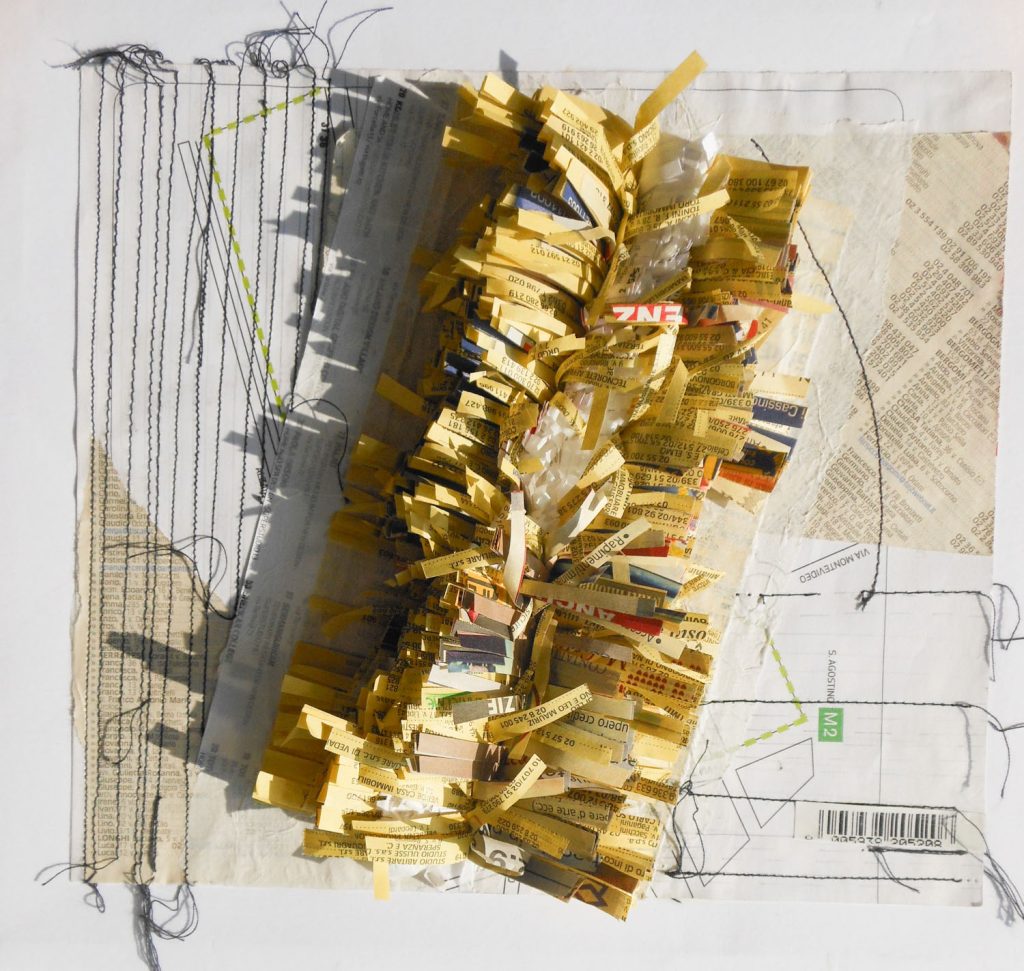
Alongside his studio practice, Shafiqul Kabir Chandan has built a strong intellectual presence in the art world. For more than a decade, he has edited and published the art journal Charupath, a periodical dedicated to art and cultural discourse. In the 1990s, he edited the progressive monthly magazine Lekhok Pathok. These editorial roles reflect another side of him, the thinker, organiser, and cultural contributor.
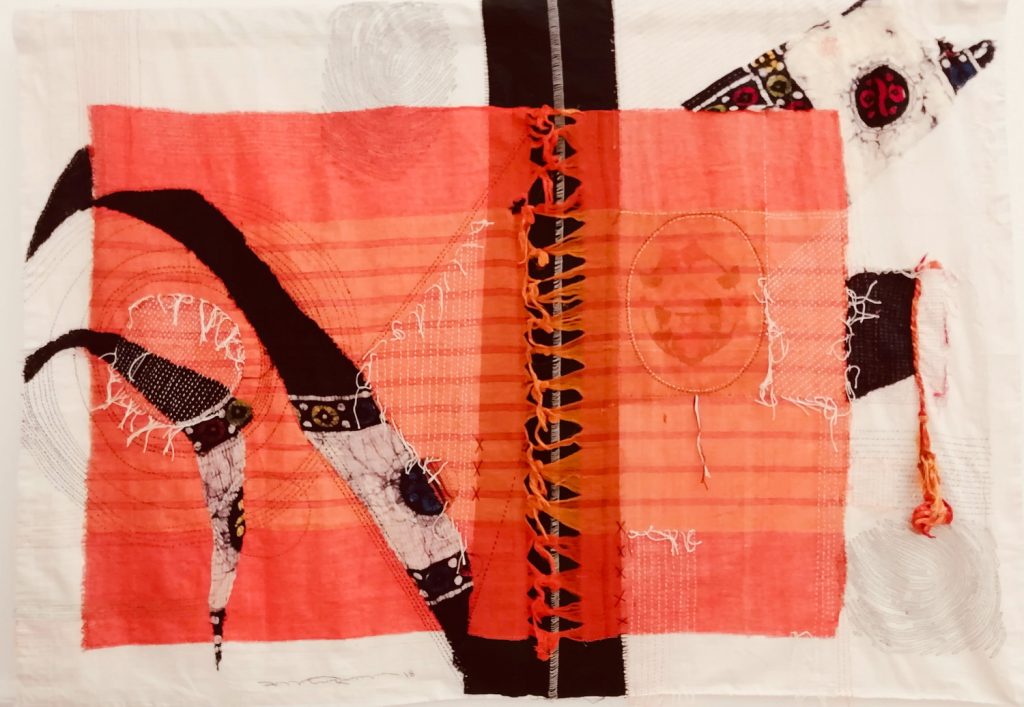
Although he works full-time as a fiber artist, he continues to read and write regularly. His essays and research articles appear in national newspapers, journals, and academic publications. He often writes about Bengal’s weaving heritage and the marginalised artisan communities connected to it. For him, writing is another form of weaving, arranging ideas instead of threads.
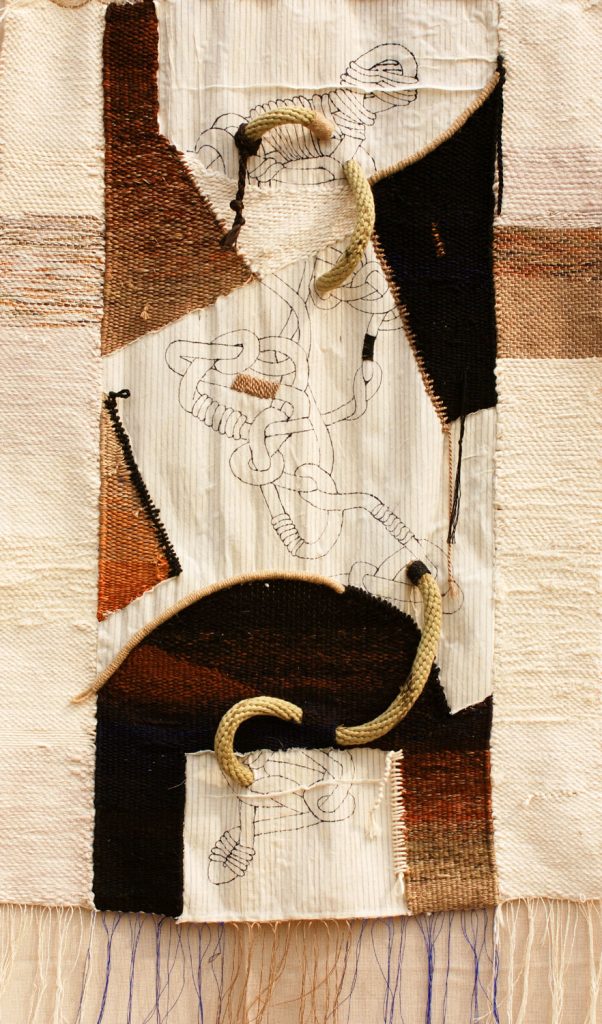
His published books reflect this commitment. Titles such as Shilpomonisha (2001), Tantukala o Tapestry (2004), Poronkotha Nagordair (2010), Shilpodorshon (2010), Vinchi Notes (2010), Tantubay Swarup Sandhan (2014), Shilpobayan (2019), Doshdishi Oitijjer Bakhan (2019), Shilpo Bikkhon (2022), and Gamcha Charitkotha (2022) explore art philosophy, weaving traditions, and cultural reflection with research and personal insight.
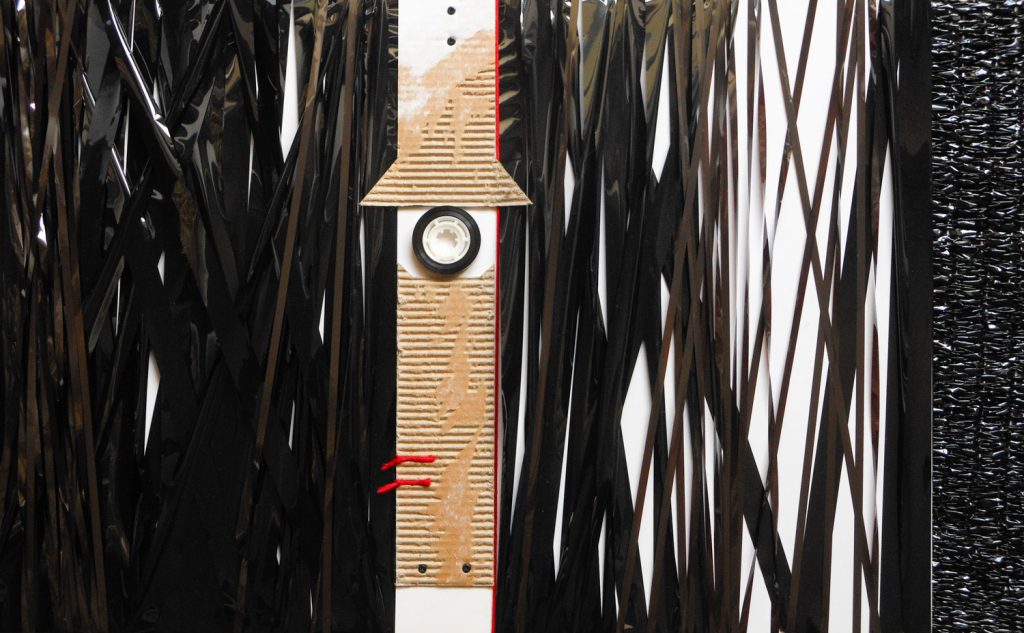
At heart, his work is often called Textile Art, though today it is more widely known as Fiber Art. He sees himself simply as both a Fiber artist and a Bunkar, creating tapestries and fiber sculptures while drawing inspiration from the weaving philosophy of pioneer Rashid Choudhury, whose life and work he continues to study.
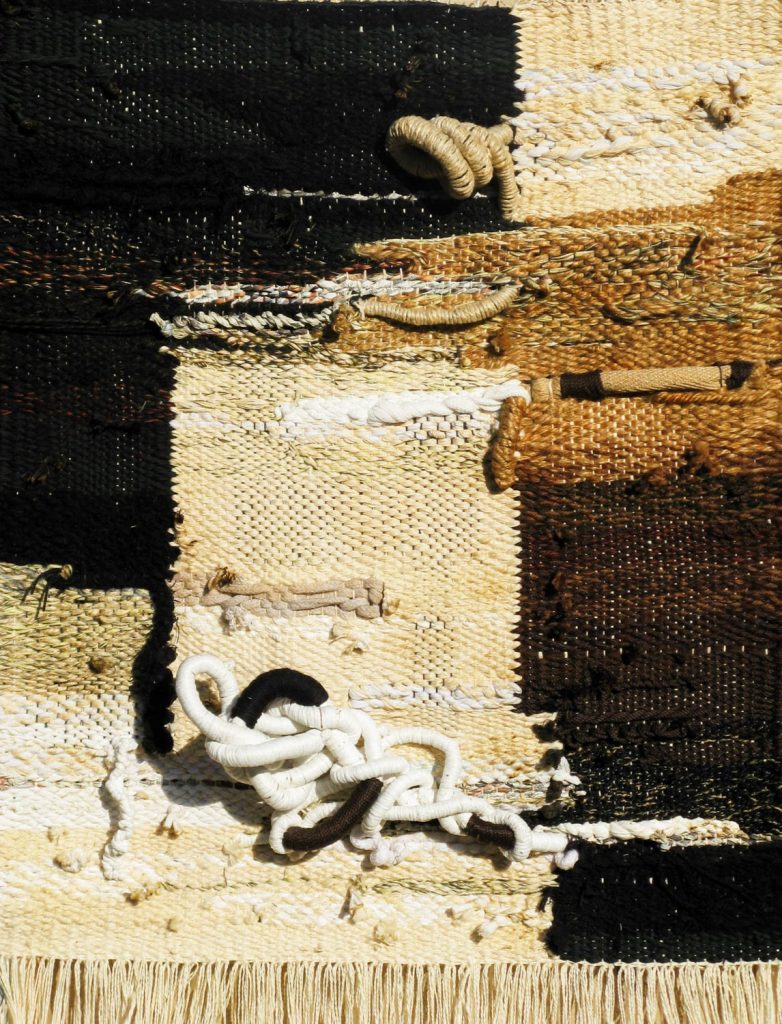
Artist Shafiqul Kabir Chandan does not make art that demands attention. His work feels calm and open. It invites people to pause and bring their own memories and feelings into the woven forms. By working with traditional materials in contemporary ways, he gently gives new meaning to fiber art and turns it into a thoughtful, living practice.