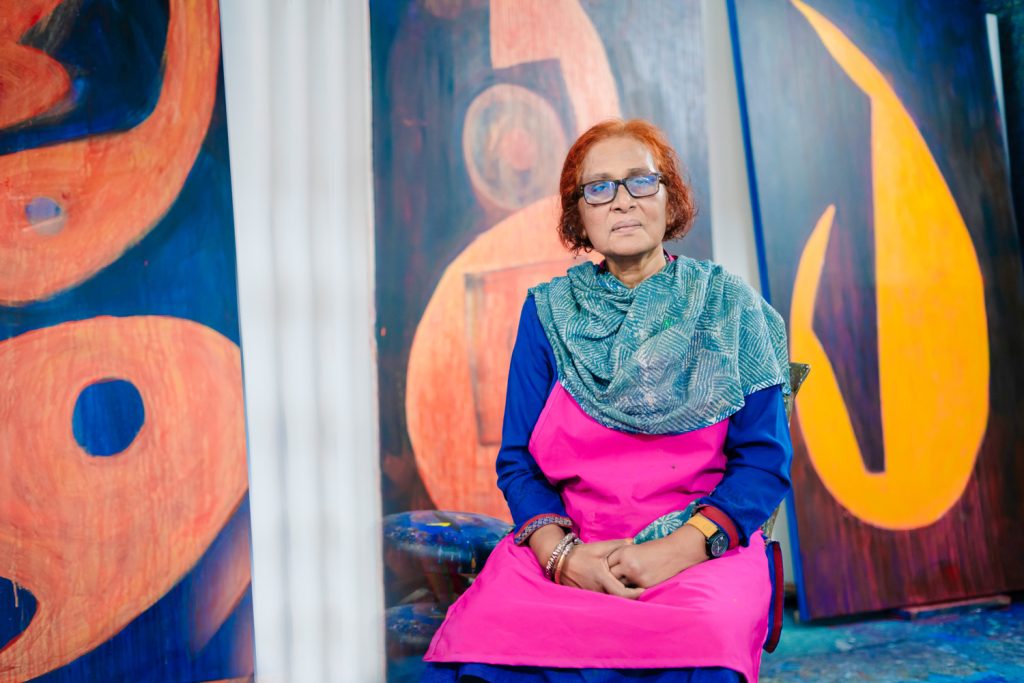
Bangladeshi artist Ivy Zaman’s work grows out of patience, memory, and the discipline of quiet observation. Hers is a story written not in declarations, but in touchstone warmed by hand, bronze carrying breath, wood remembering the forest it comes from. Born in 1958 in Bogura, Ivy Zaman grew up listening to nature before she ever learns to sculpt it.
As a child, Ivy wanders along the banks of the Korotoa, watching boats drift with lanterns glowing softly against the darkness. Birds returning home at dusk, the hush of water, the silver spill of moonlight, these are her earliest teachers. Long before she enters a studio, she learns to read rhythm, balance, and stillness from nature itself.
Educated at the Institute of Fine Arts, University of Dhaka, where she completed her BFA in Sculpture in 1980, Ivy later expanded her understanding of form and philosophy at Visva-Bharati University, Santiniketan. Over a career spanning more than four decades, Ivy Zaman emerges as one of Bangladesh’s most accomplished sculptors, working confidently across wood, cement, stone, marble, metal, and bronze. Yet materials, for her, are never inert. Once she reflects,
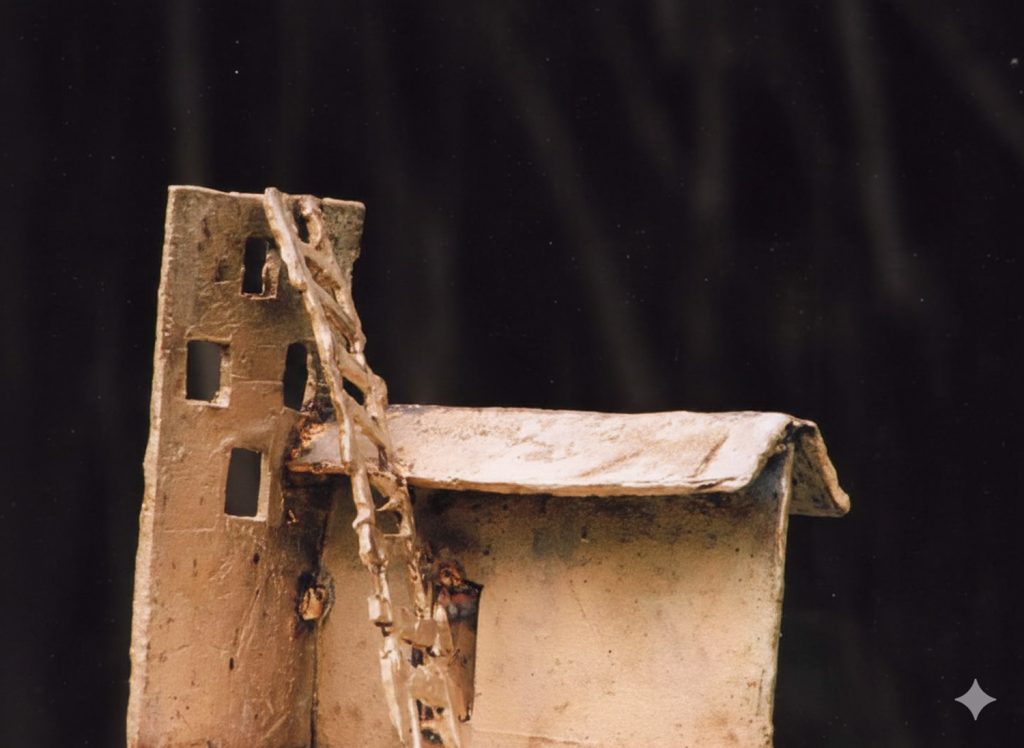
Nature already knows how to be beautiful, I only try not to interrupt it.
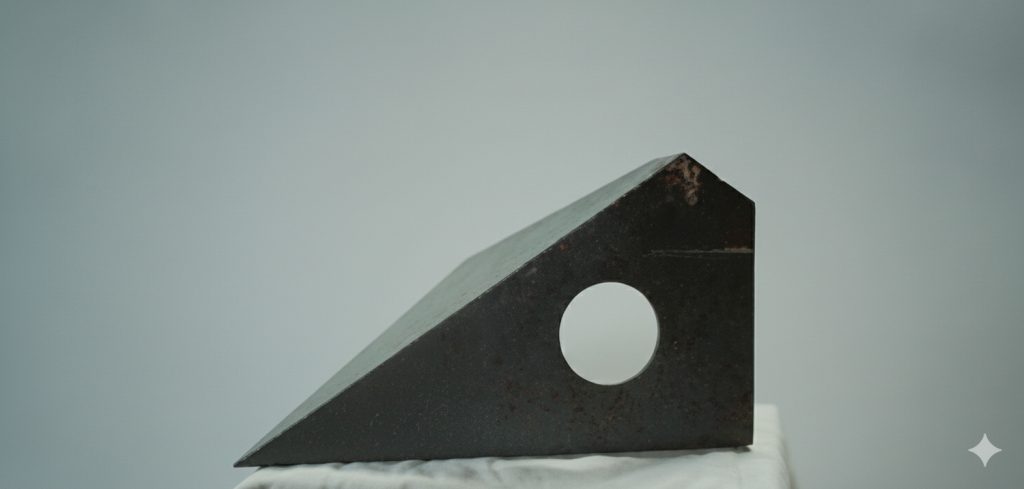
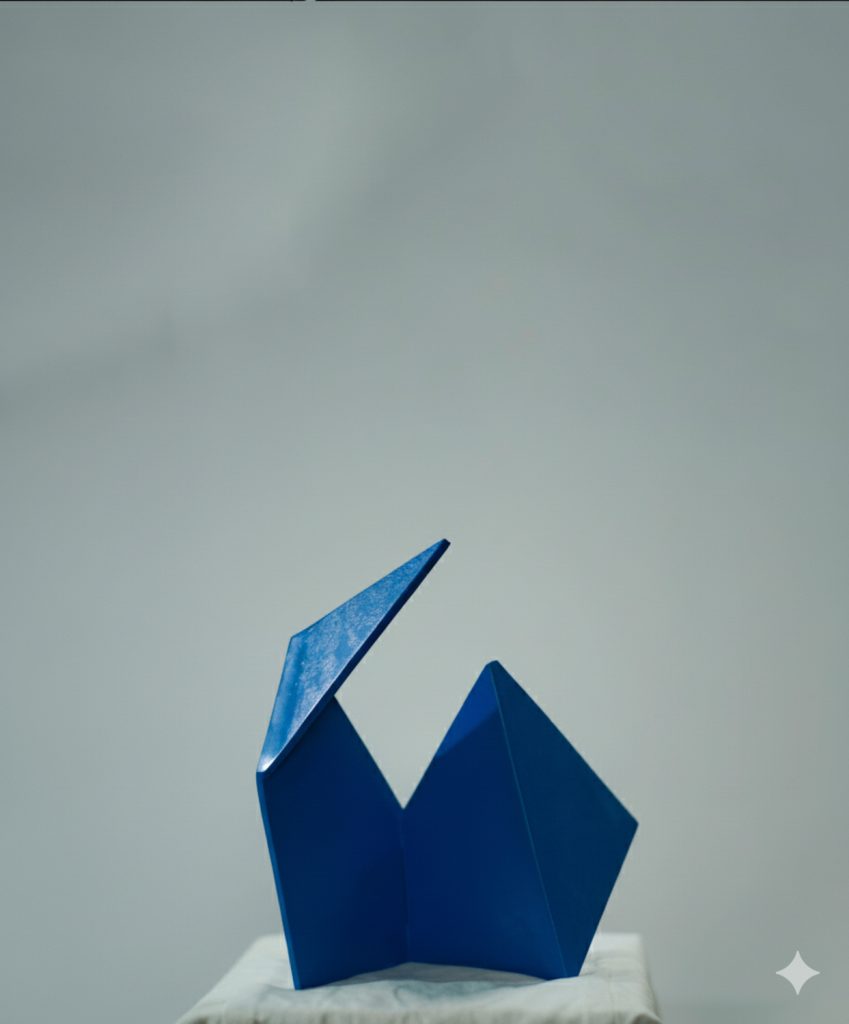
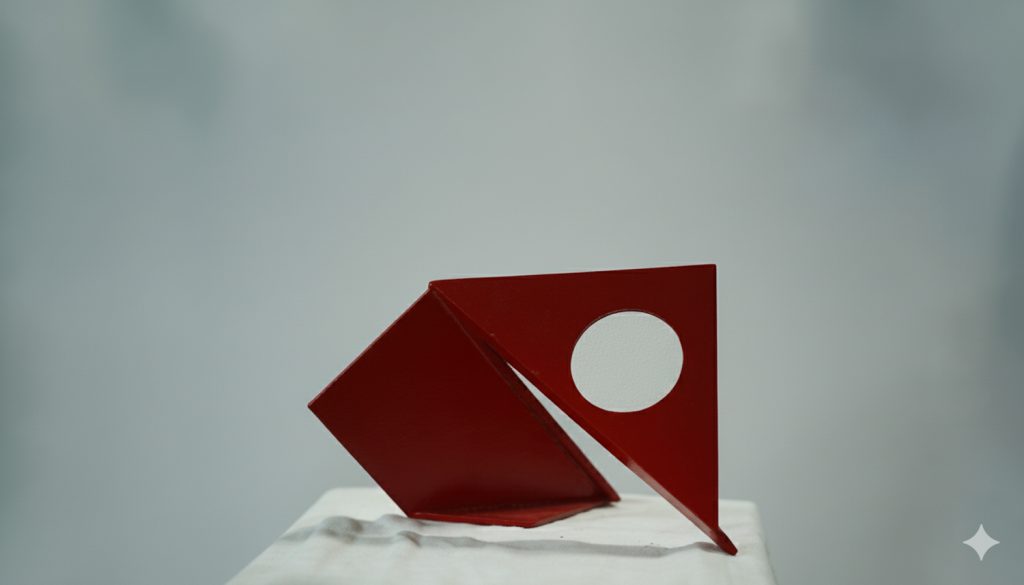
This philosophy lies at the heart of her practice. Ivy’s sculptures seek a delicate conversation between mass and space. Ivy often says little about symbolism, yet her work carries a deep ecological and spiritual awareness. For her, nature is not scenery; it is original. Her sculptures often appear to evolve through natural processes rather than human intervention.
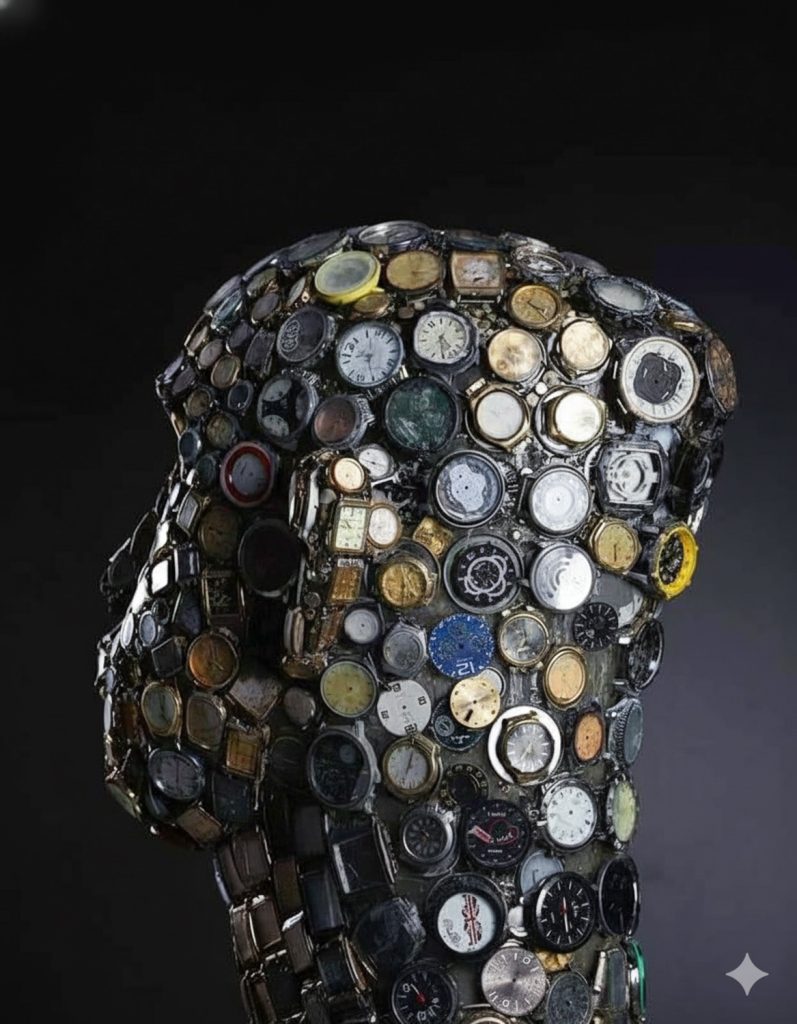
The quiet influence of modernist pioneer Novera Ahmed is evident in Ivy Zaman’s pared-down forms and spiritual discipline, yet her voice remains entirely her own. In Time Keeper, a bust embedded with tiny wristwatches, she avoids irony or spectacle. Instead, the work breathes patience. Time does not mock or accuse here; it settles.
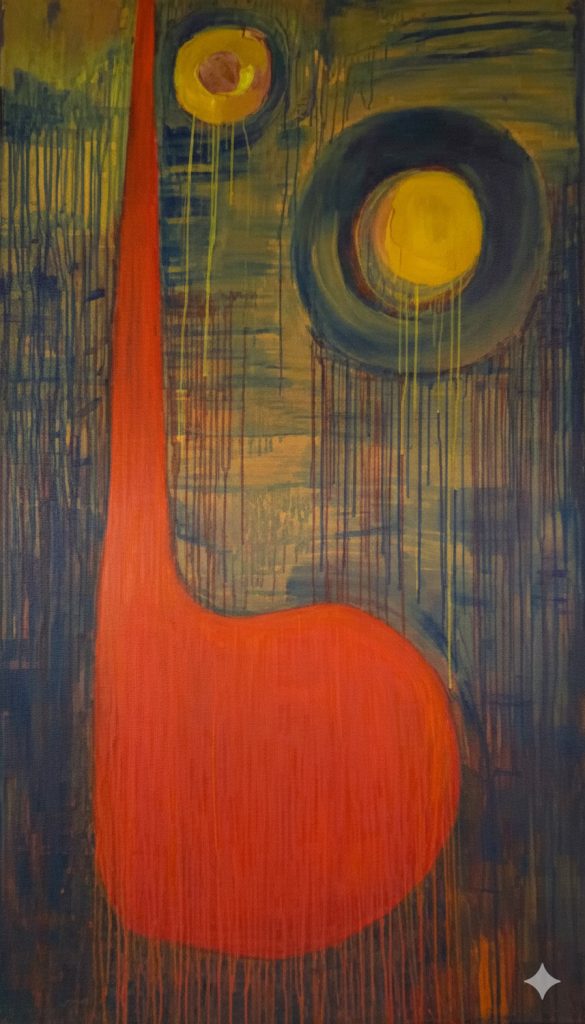
This reverence carries into Ivy’s recurring dialogue with the Buddha. She approaches him not as a religious icon, but as a symbol of grounding, a quiet anchor of stillness amid life’s storms. In works like Spiritual Flight, transcendence hovers without severing ties to the earth. The roots remain visible; the soil is never denied.
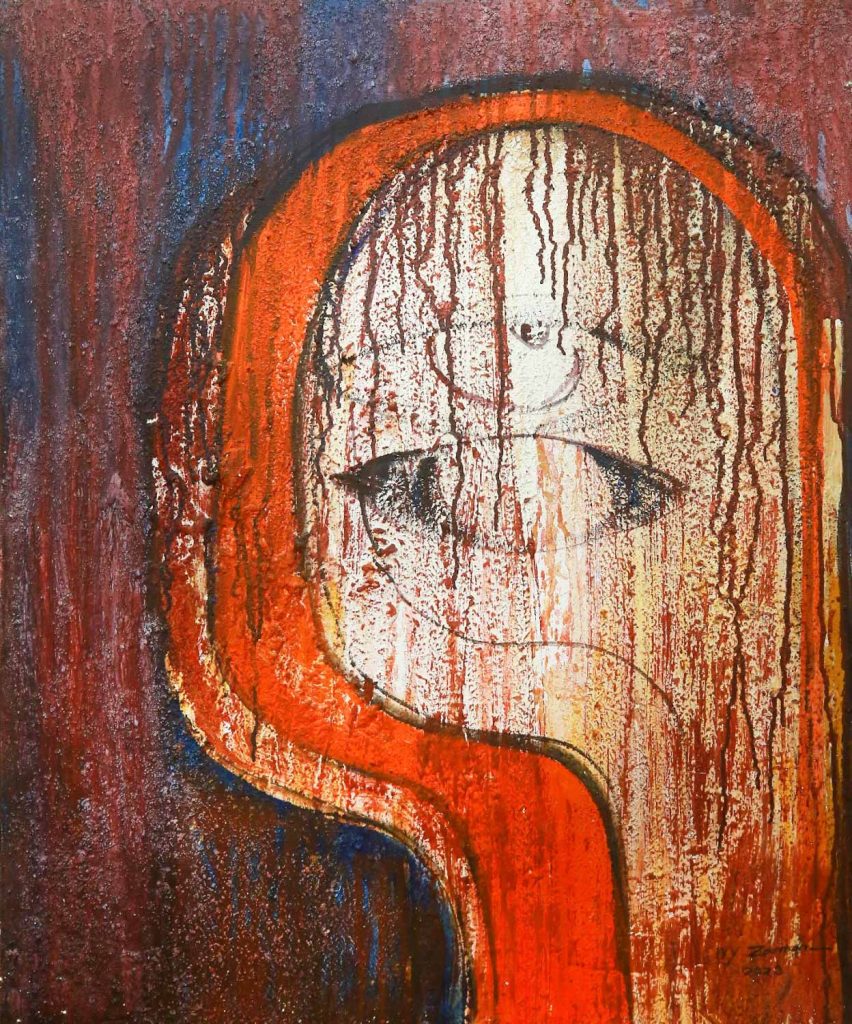
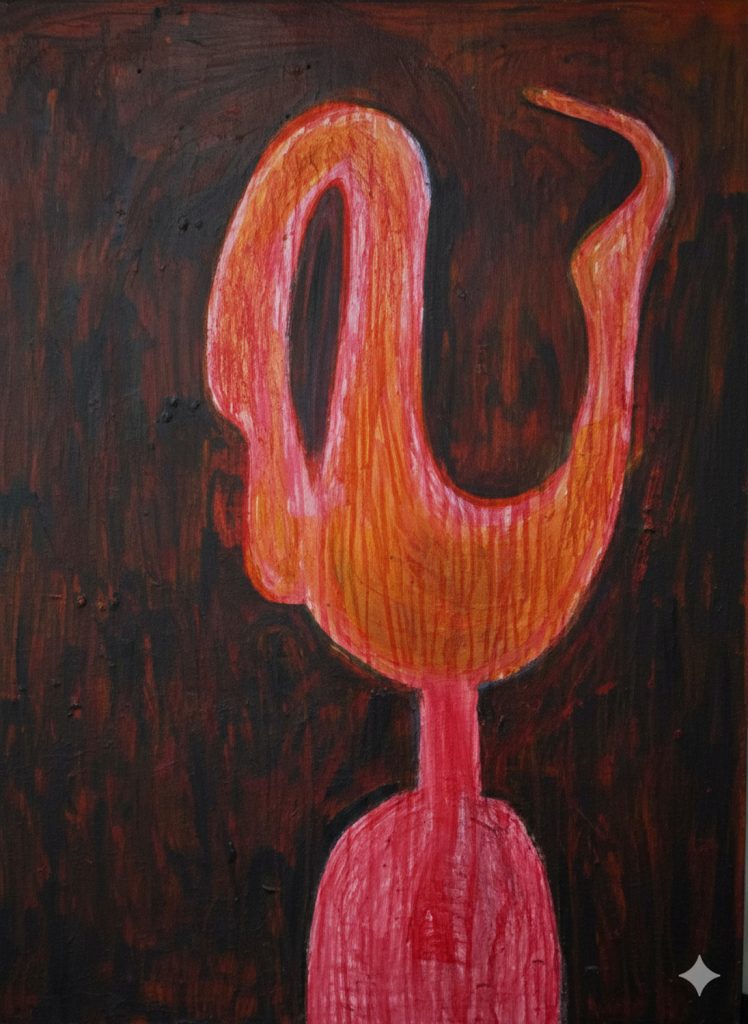
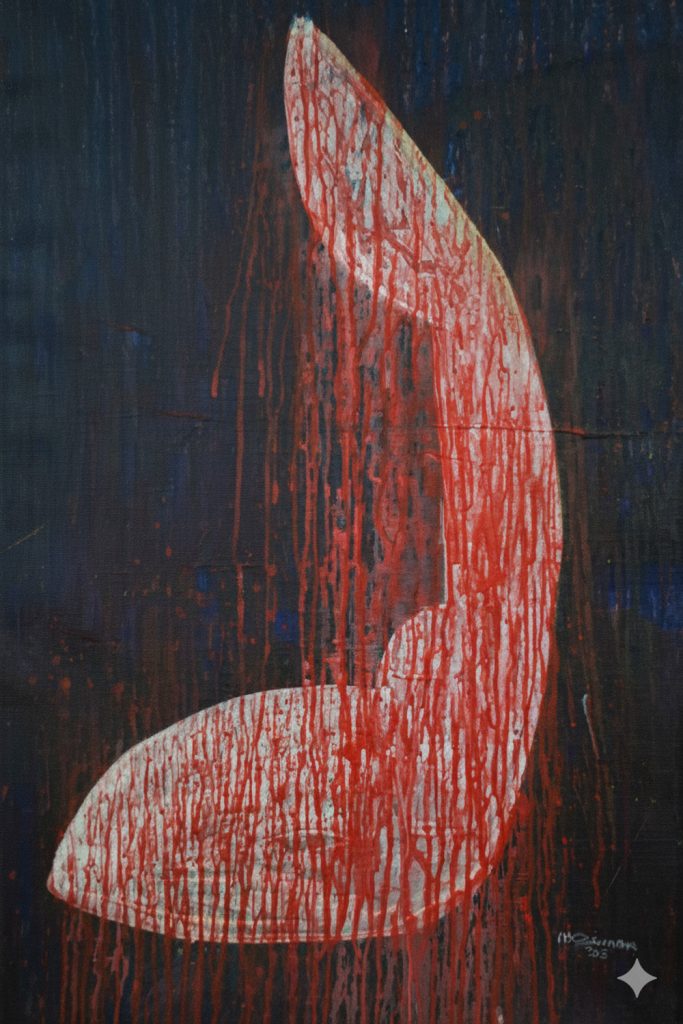
Her paintings, quieter companions to her sculptures, echo the same sensibilities. Each brushstroke moves with sensual freedom, yet remains restrained, as if holding back a deeper, untamed impulse just beneath the surface.
Ivy Zaman’s journey has unfolded alongside another towering figure of Bangladeshi sculpture, her husband, the late Professor Hamiduzzaman Khan. His discipline and legacy shaped the environment around her, yet Ivy’s path was never a shadow of his. From the beginning, she carves her own space, embraces her own struggles, and finds her own voice. That determination shines vividly in her monumental bronze sculpture of Begum Rokeya in Bogura, near the reformer’s ancestral home. Rising ten feet from its base, the work balances technical mastery with heartfelt emotion.
I wanted them to believe in me
she says. For Ivy, the statue of Begum Rokeya marks a personal milestone, proving that a woman sculptor can claim public space, scale, and permanence.
Her international experiences only deepen that conviction. At the Jik Ji Sculpture Park Symposium in Kimcheon, Korea, Ivy is the sole woman among male sculptors from Europe and Asia.
Yet recognition steadily follows. Her works now grace major public collections, including the Bangladesh National Museum, Bangla Academy Museum, Asiatic Society of Bangladesh, BRAC University, Visva-Bharati University, and international sculpture parks. Over the decades, she has participated in countless national exhibitions, Asian Art Biennales, international symposiums, and group shows, leaving an enduring imprint. Beyond accolades, Ivy also shapes generations as an educator, teaching sculpture in architecture departments, serving as a visiting teacher, and mentoring young artists with quiet rigour. Her advice to young women artists remains clear and unwavering.
There is no difference between men and women,” she insists. Ultimately, only commitment matters.
Today, Ivy Zaman continues her practice with the same energy that once carried her through buses, rickshaws, foundries, and stone yards. Ivy Zaman is not an artist of grand gestures; she does not announce endings; she lets her work quietly unfold.
Success in art is not measured by sales alone. It lives in the quiet moments when someone truly feels the work. If my creation finds a place in people’s hearts, that recognition is the highest honour I could ever receive.
she believes.
Artist Ivy Zaman’s work lingers like a pause between breaths, like moonlight held on water. Her sculptures do not shout; they wait. And in that patient waiting, they remind us that art does not always seek closure. Sometimes, it simply whispers: This is not the end.