Few architects have transformed the language of architecture as profoundly as Antoni Gaudí. More than a century after his most celebrated works first appeared, they continue to surprise, inspire, and challenge our understanding of what architecture can become. His designs reject rigid geometry in favour of movement, texture, colour, and forms borrowed directly from nature. Curved walls, branching columns, sculpted facades, and vibrant mosaics became his signature, creating architecture that seems to breathe, grow, and belong to the landscape rather than simply occupy it.
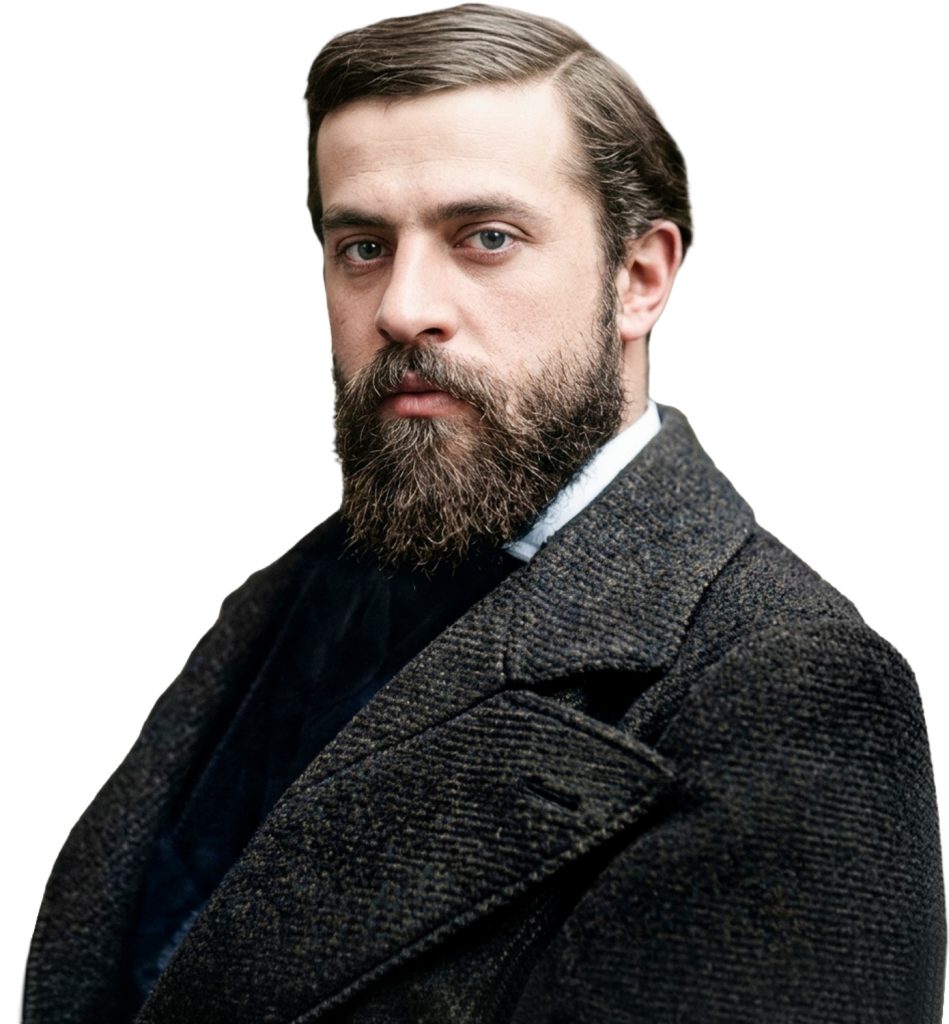
Antoni Plàcid Guillem Gaudí i Cornet was born on 25 June 1852 in Catalonia, Spain, and grew up surrounded by landscapes that quietly shaped his imagination. Frequent childhood illnesses often kept him away from school, leaving him with long hours to observe trees, flowers, insects, changing light, and the patterns found in nature. Those moments became the foundation of a philosophy that would define his life’s work. After graduating from the Barcelona School of Architecture in 1878, Gaudí chose not to follow the conventions of his time. Instead, he found inspiration in forests, mountains, Gothic craftsmanship, traditional Catalan artisans, and his unwavering Catholic faith.
Throughout his career, Gaudí blurred the line between architecture, engineering, and sculpture. Rather than relying solely on conventional drawings, he preferred building three-dimensional models that allowed him to refine every curve and structural detail. His pioneering use of catenary arches, hyperboloids, stained glass, wrought iron, ceramics, and the celebrated trencadís mosaic technique produced buildings that were both structurally innovative and artistically expressive. He believed nature was not something architecture should imitate; it was something architecture should understand.
His devotion to both faith and design eventually earned him the enduring title of “God’s Architect.
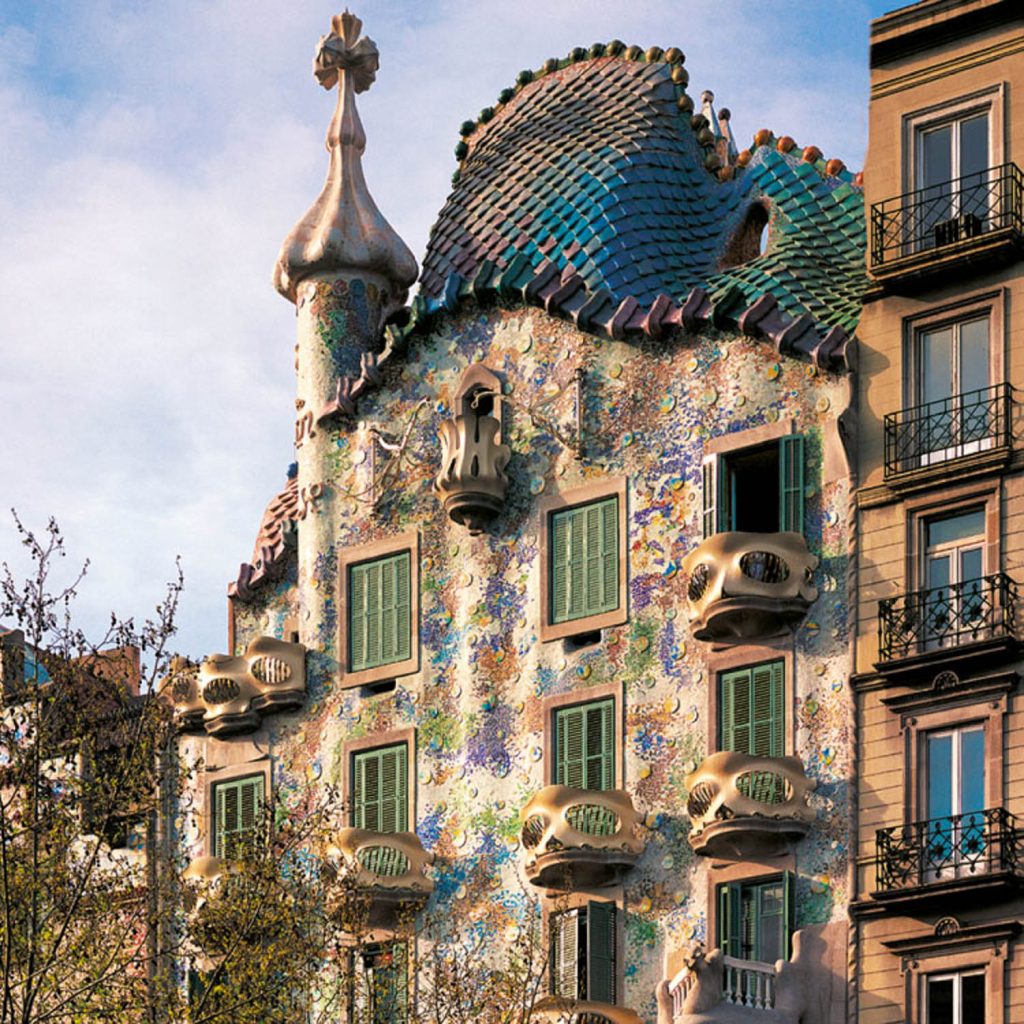
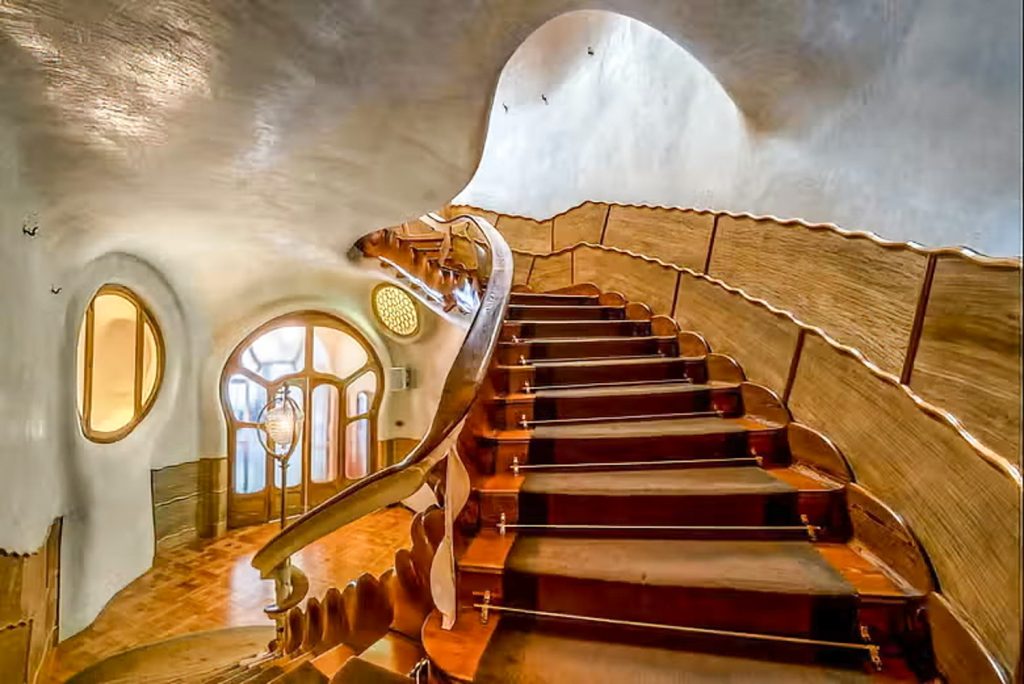
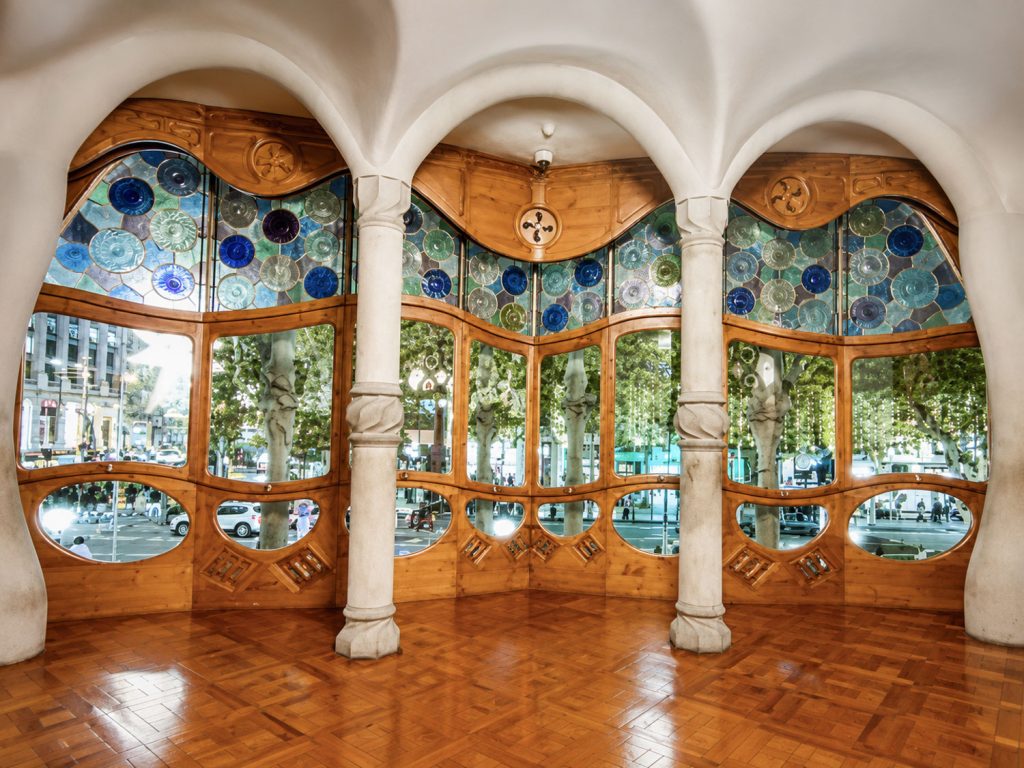
Among his greatest achievements is Casa Batlló, completed between 1904 and 1906 in Barcelona. Instead of demolishing an existing building, Gaudí completely reinvented it, transforming an ordinary residence into one of the city’s most recognisable landmarks. The shimmering façade recalls dragon scales and the movement of water, while its skeletal balconies earned it the nickname “The House of Bones.” Inside, sculpted ceilings, flowing staircases, naturally ventilated light wells, and carefully controlled daylight create spaces that feel remarkably alive.
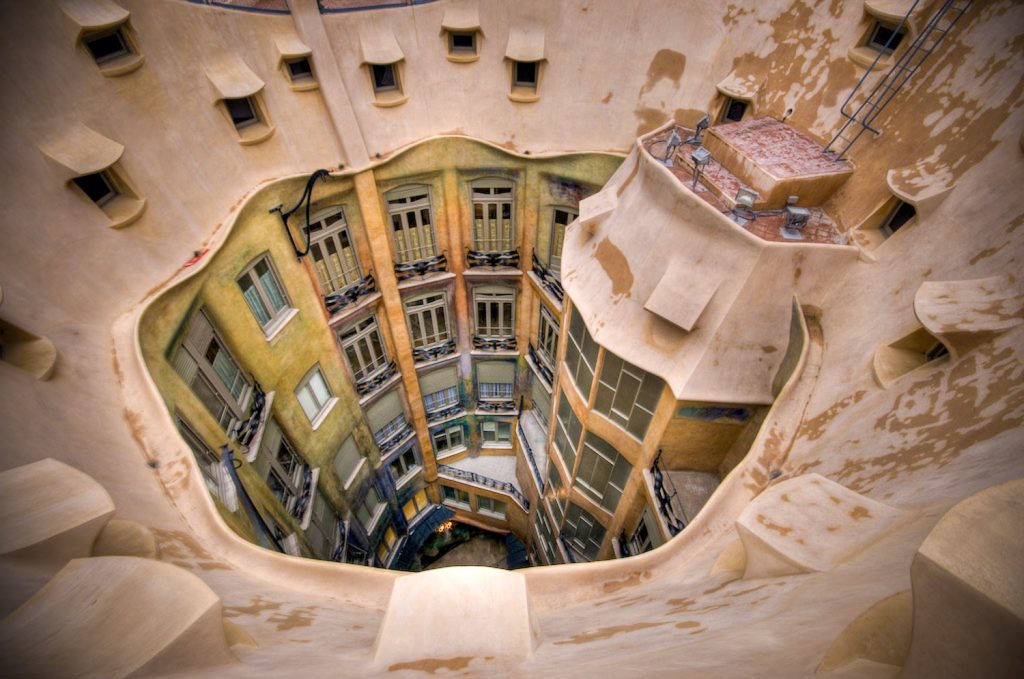
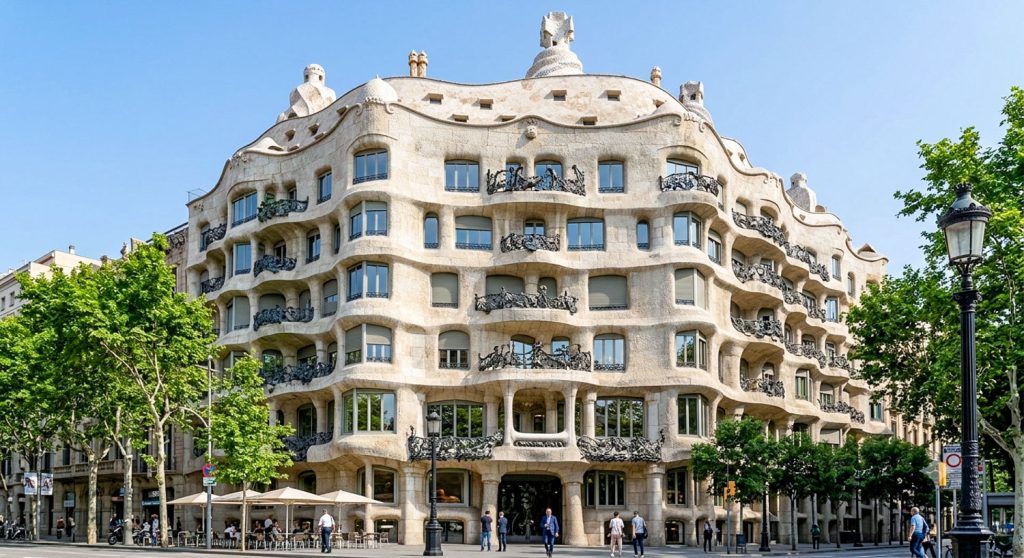
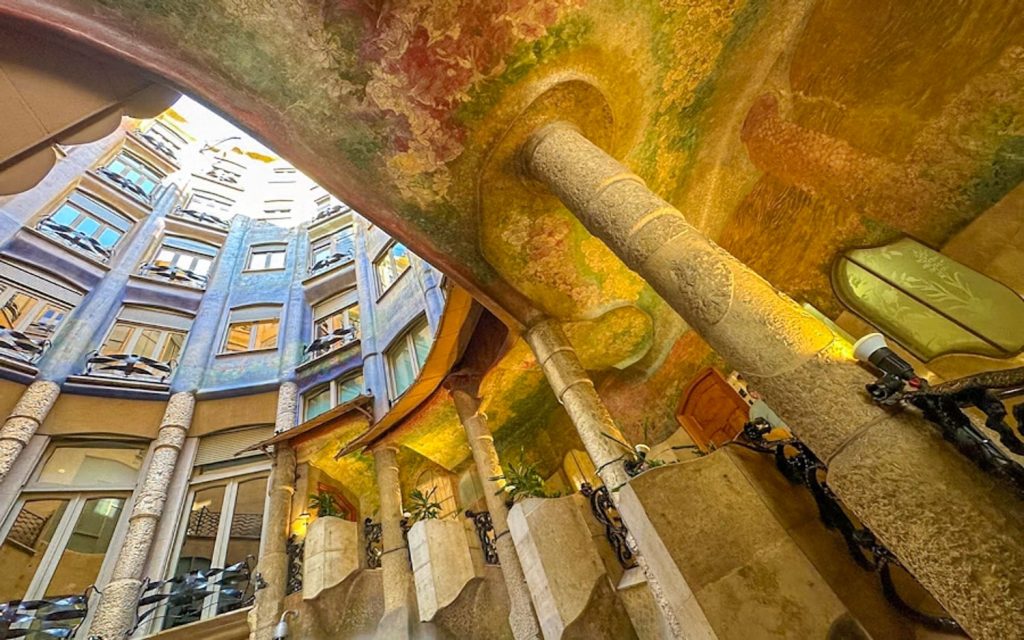
His next masterpiece, Casa Milà, better known as La Pedrera, pushed architectural innovation even further. Built between 1906 and 1912, the building abandoned traditional load-bearing walls in favour of an independent structural framework, allowing flexible interior layouts decades ahead of their time. It was Gaudí’s last private residence and his most structurally daring a rippling limestone façade with no load-bearing walls at all, an attic built from 270 brick arches that feels like walking through a whale’s ribcage, and a rooftop of twisting chimneys that resemble helmeted sentinels standing guard over the city.
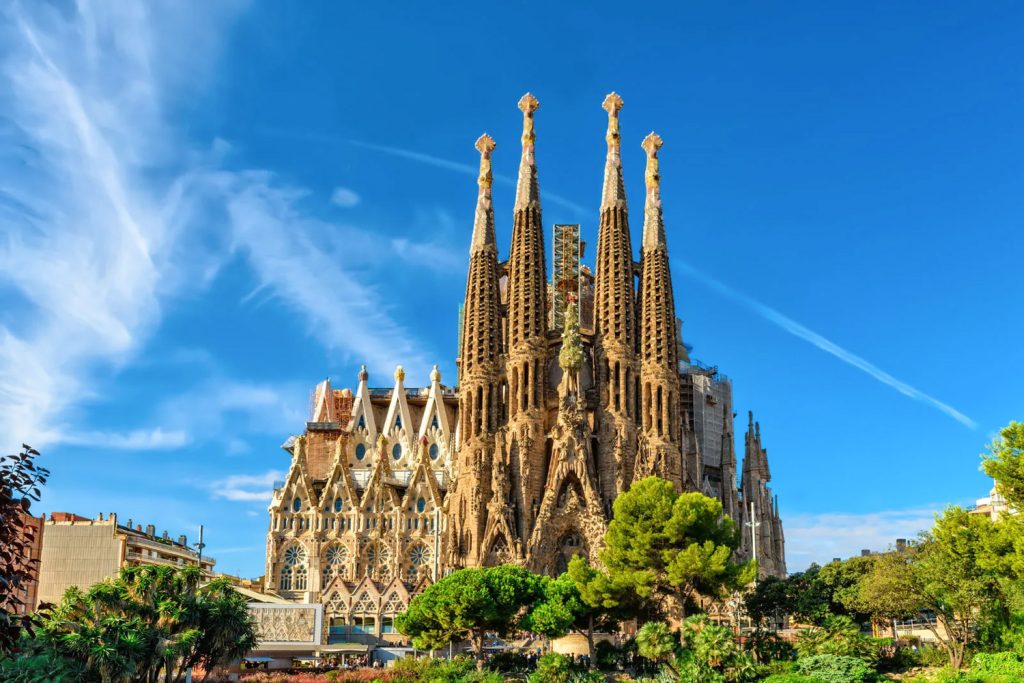
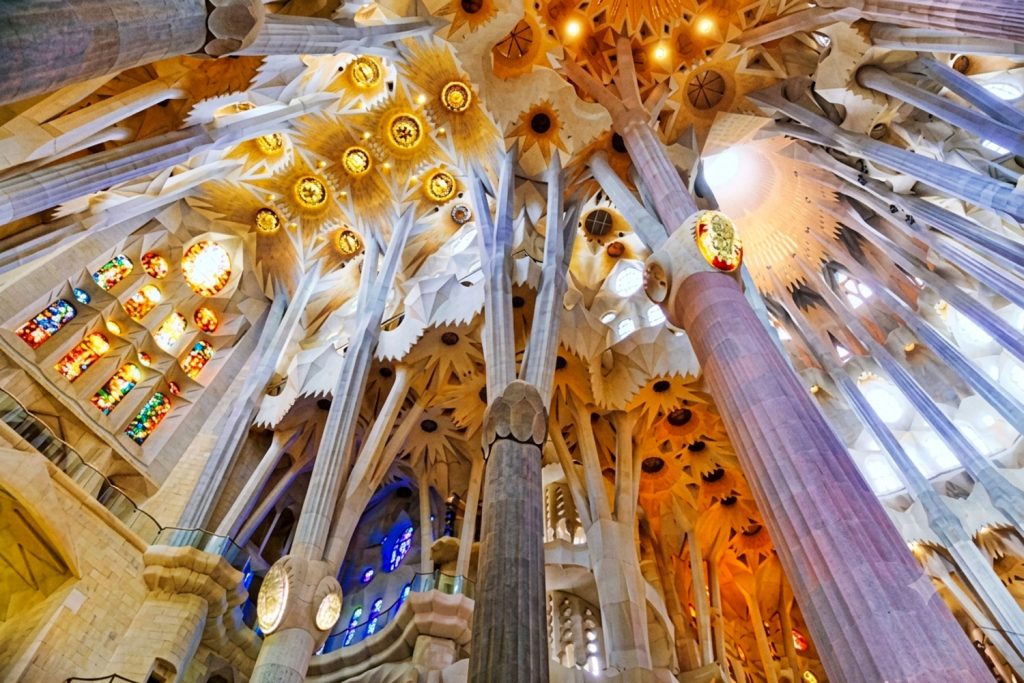
Then there is La Sagrada Família, the work that consumed the rest of his life. Taking over the unfinished church in 1883, he gradually devoted himself entirely to its construction. Inspired by forests, mountains, and Christian symbolism, he transformed a conventional Gothic design into a monumental basilica unlike any other. Inside, columns branch upward like trees, and stained glass floods the nave in shifting colour, blue and green at dawn, red and gold at dusk. Only a quarter of the basilica stood complete when Gaudí died in 1926, struck by a tram near the site he’d given his life to. His original models were later destroyed during the Spanish Civil War, yet generations of architects continued his vision. In 2026, the basilica’s main structural construction reached completion, marking the culmination of more than 140 years of architectural ambition and bringing one of history’s longest-running building projects remarkably close to its final chapter.
Another landmark that perfectly reflects Gaudí’s imagination is Park Güell. Originally conceived in 1900 as an exclusive garden city, the ambitious development failed commercially, selling only two of its planned sixty residential plots. What remains is the undulating mosaic bench, the salamander fountain glinting in trencadís tile, and stone viaducts that seem to grow straight out of the hillside, a commercial disaster that became one of the most loved public parks on earth.
Beyond these celebrated masterpieces, Gaudí’s remarkable portfolio includes Casa Vicens, his first major commission, alongside Palau Güell, Colònia Güell, Casa Calvet, Casa Botines, the Episcopal Palace of Astorga, Artigas Gardens, and the Güell Wine Cellars. Together, these projects reveal the remarkable evolution of an architect who continually redefined structure, craftsmanship, symbolism, and material expression.
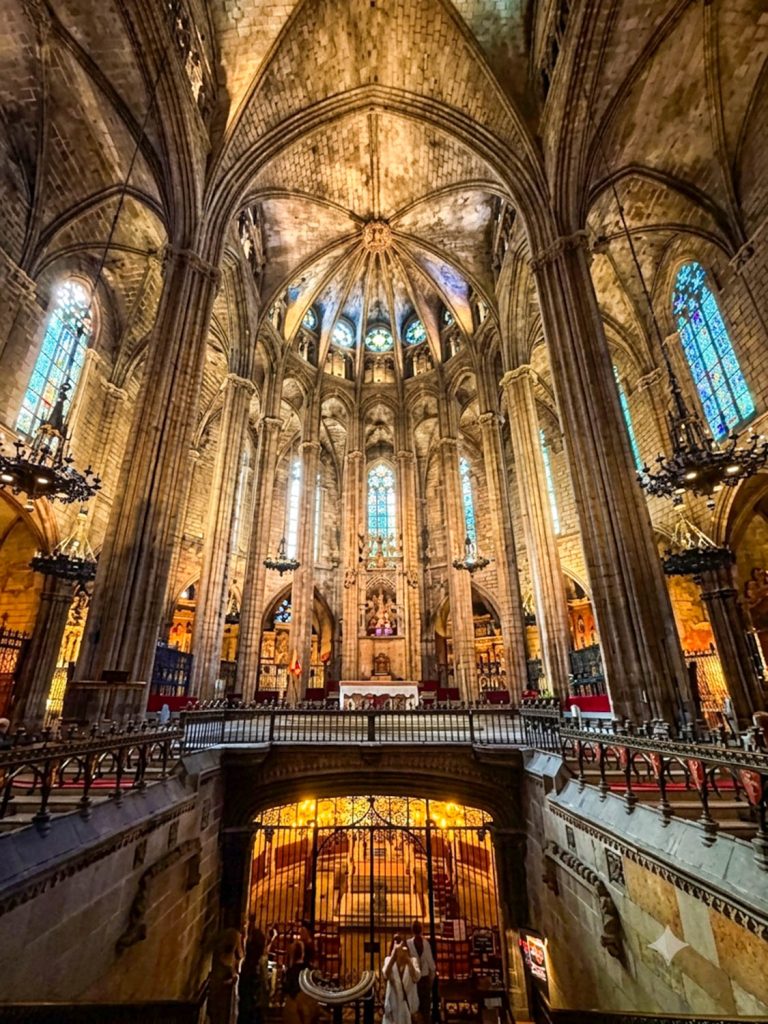
Recognition for Gaudí’s contribution has only grown with time. Seven of his masterpieces have been designated as UNESCO World Heritage Sites, confirming their universal cultural value. In 2025, Pope Francis declared him Venerable, acknowledging the profound faith that shaped both his life and architecture. His influence today extends far beyond Spain, inspiring generations of architects to imagine buildings as living environments rather than static structures. Nearly a century after his passing, Antoni Gaudí’s work still feels remarkably contemporary.
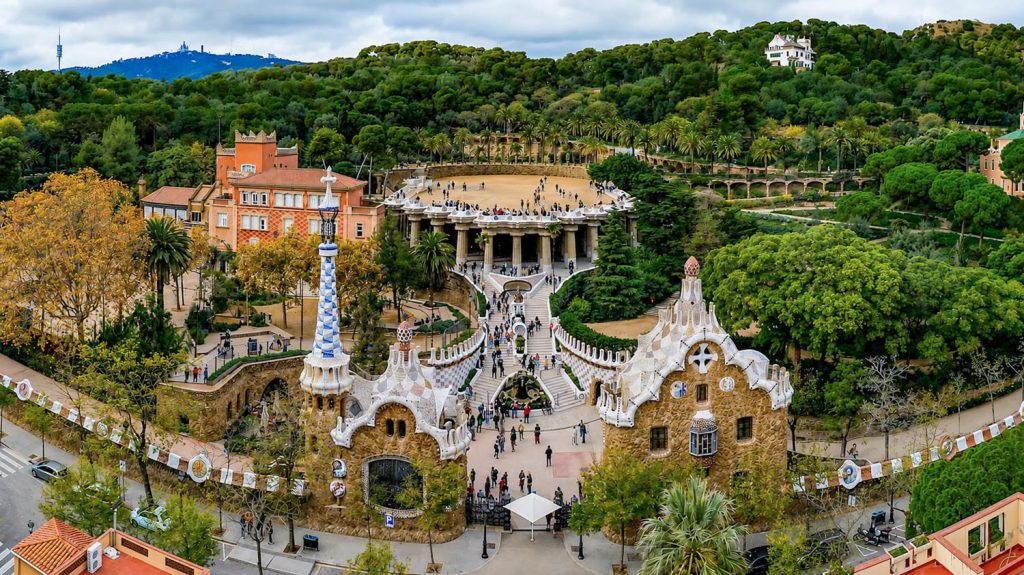
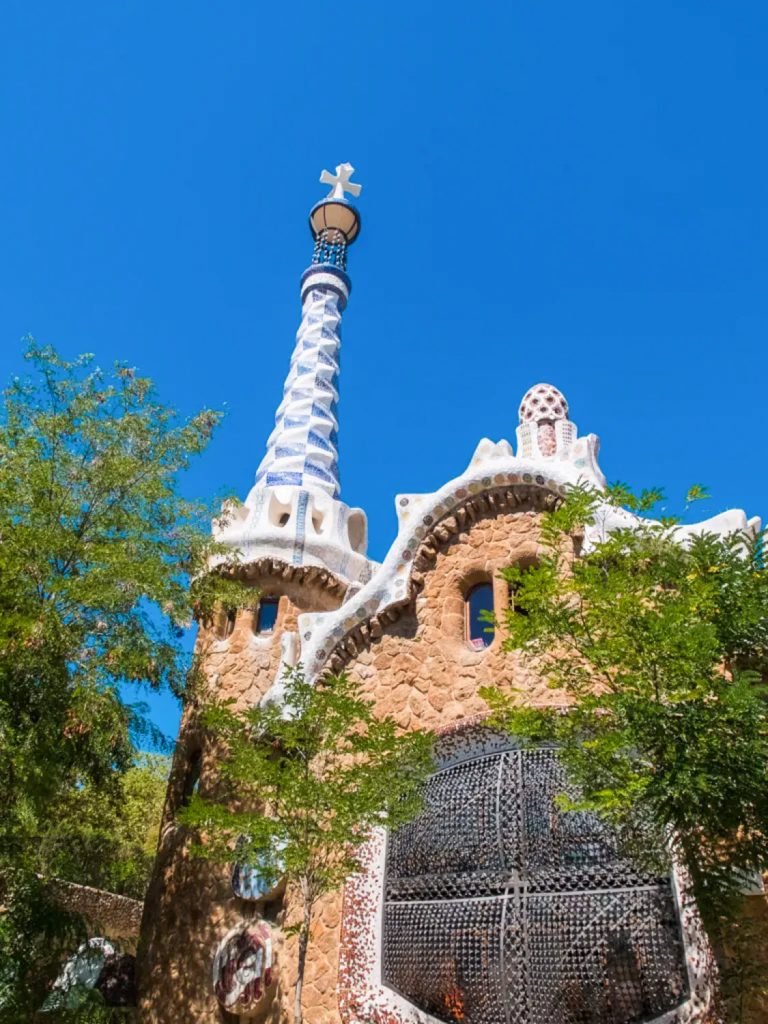
More than an architect, Gaudí became a storyteller who carved faith, nature, and imagination into stone.
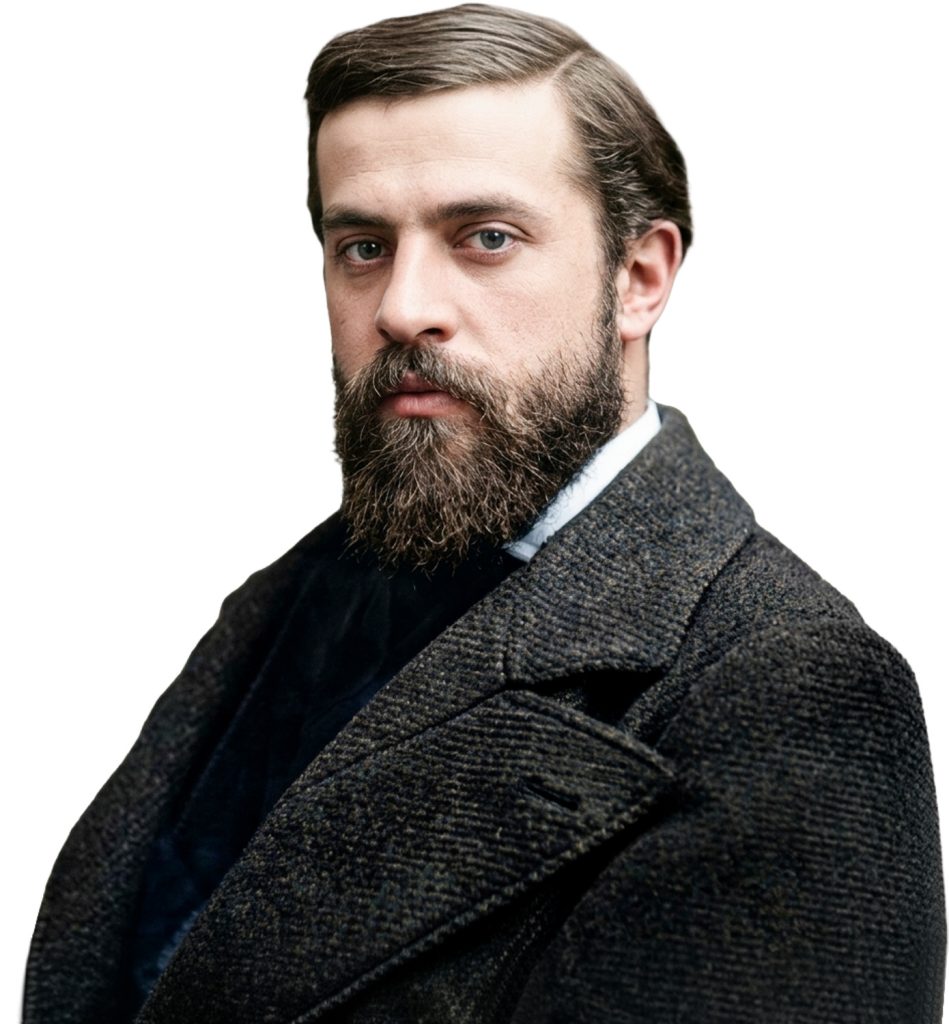
His work reminds us that architecture reaches its greatest expression when it grows from the rhythms of life itself.