The canvas of contemporary Bangladeshi art is rich with experimentation, but few have shaped its abstract landscape with as much intellectual rigor and quiet grace as Professor Mahmudul Haque. A pioneer of the local abstract movement and a maestro of printmaking, his career spanned over five decades. He did not merely paint landscapes; he translated the structural rhythm of nature into visual poetry. His works remain an enduring testament to the power of subtlety, balance, and profound spatial awareness.
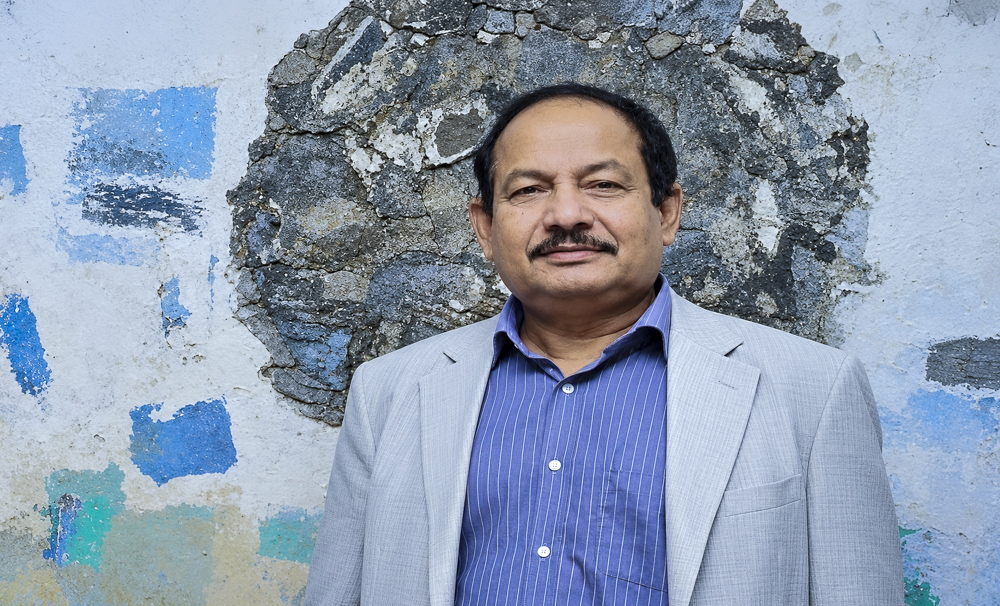
Born in Bagerhat in 1945, Mahmudul Haque discovered his artistic inclination not through formal galleries, but through the vibrant tapestry of rural Bangladesh. He was deeply fascinated by the intricate patterns of nakshi kantha hand embroidered quilts crafted by his grandmother, and the vivid decorations of traditional wedding stages. These early visual encounters seeded a lifelong fascination with form, texture, and space. In 1968, he graduated from the Government Institute of Arts, now the Faculty of Fine Arts, University of Dhaka, where he was mentored by legendary artists, most notably the great abstractionist Mohammad Kibria. It was under Kibria’s guidance that Mahmudul Haque began to understand that art was not about mimicking reality, but about capturing its internal emotional core.
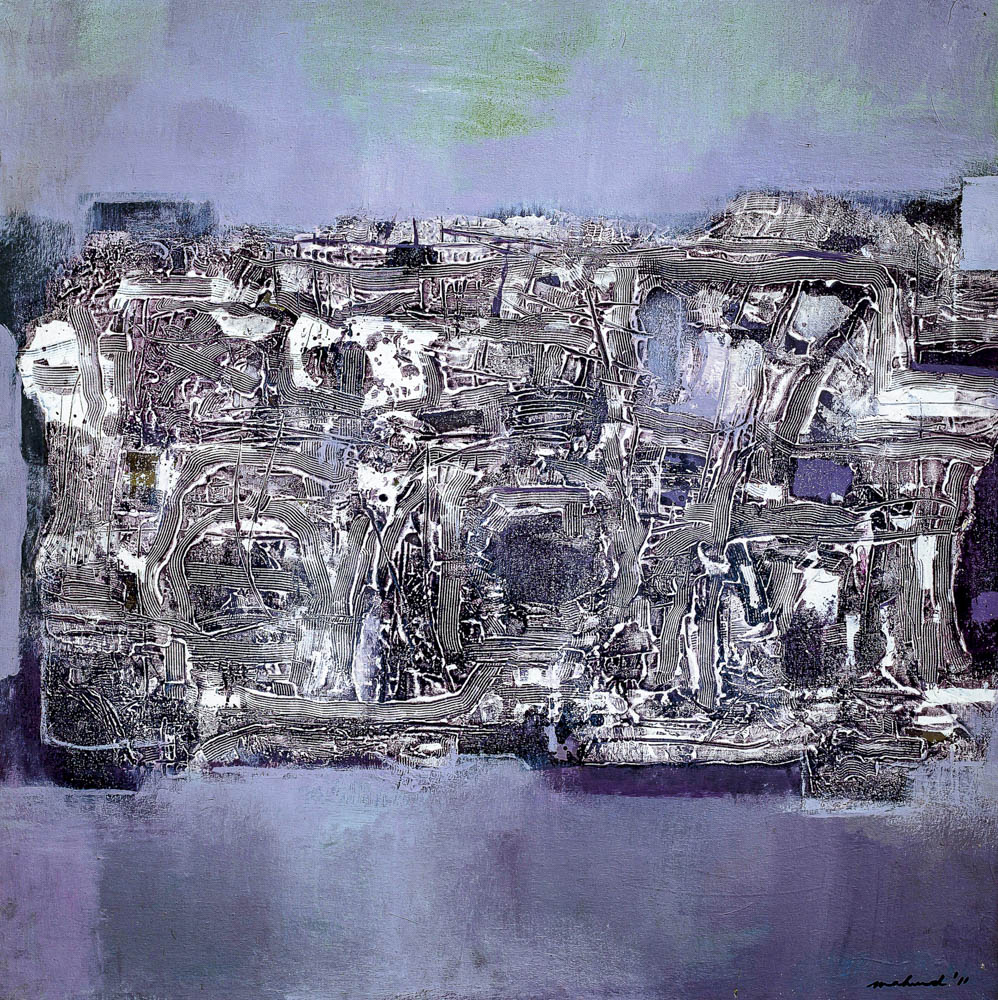
The turning point in his creative evolution arrived when he traveled to Japan to pursue his higher studies in printmaking at the University of Tsukuba. Japan introduced him to a completely new philosophical approach to design, characterized by minimalism, technical precision, and a deep reverence for empty space. Mahmudul Haque successfully merged this structured Japanese sensibility with his inherent Bangladeshi heritage. Reflecting on this intense educational journey and how it shaped his visual language, the artist once stated,
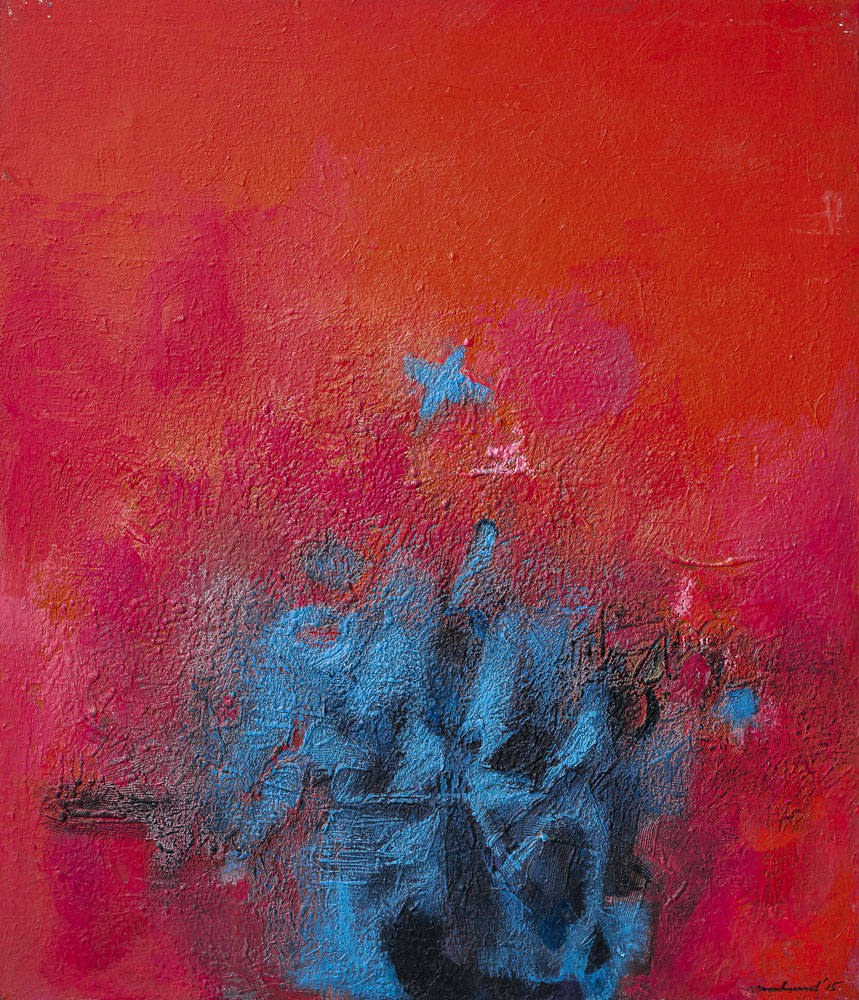
“In Japan, I realized that technical perfection is only the beginning. True freedom in abstraction comes when you master the medium so thoroughly that the tool becomes an extension of your own breath.”
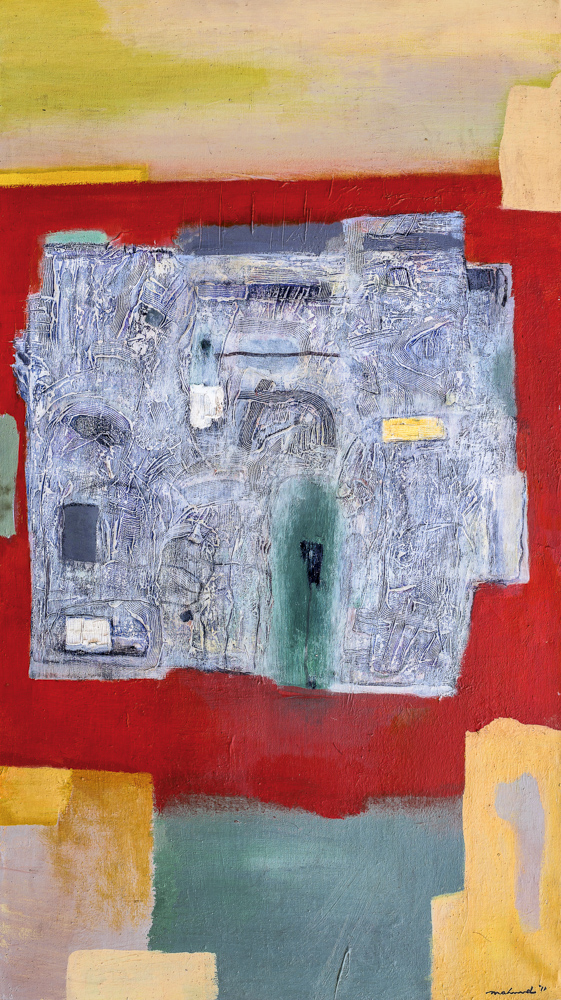
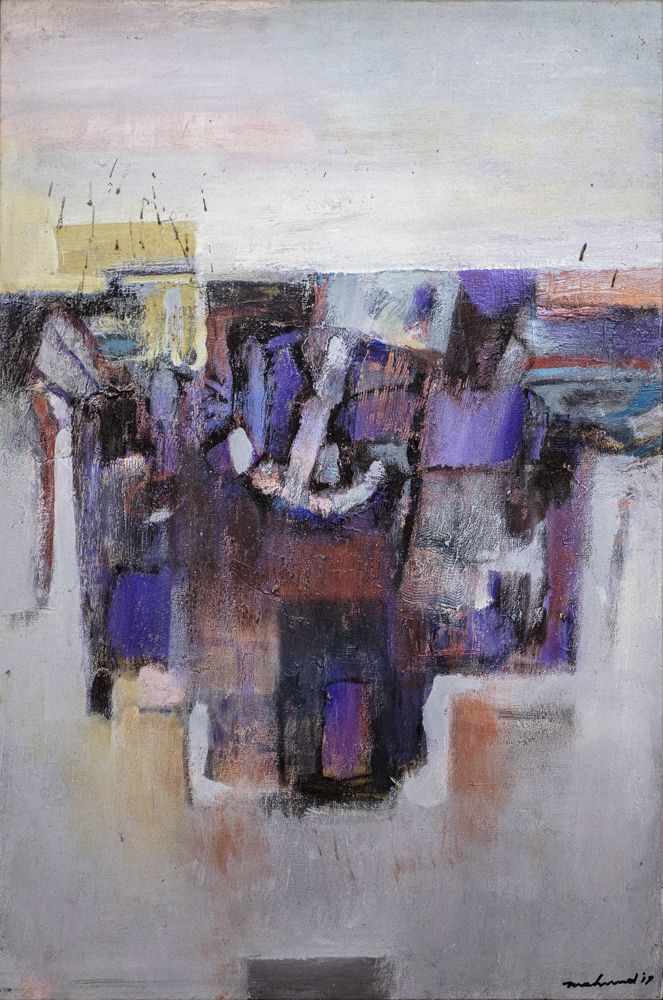
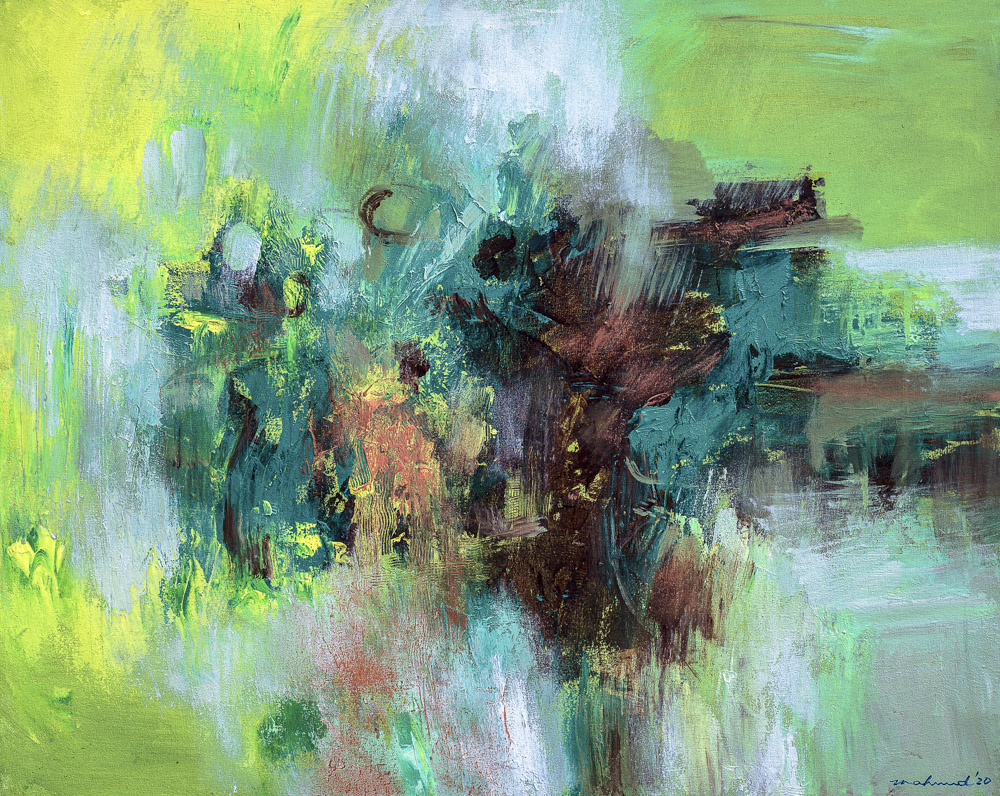
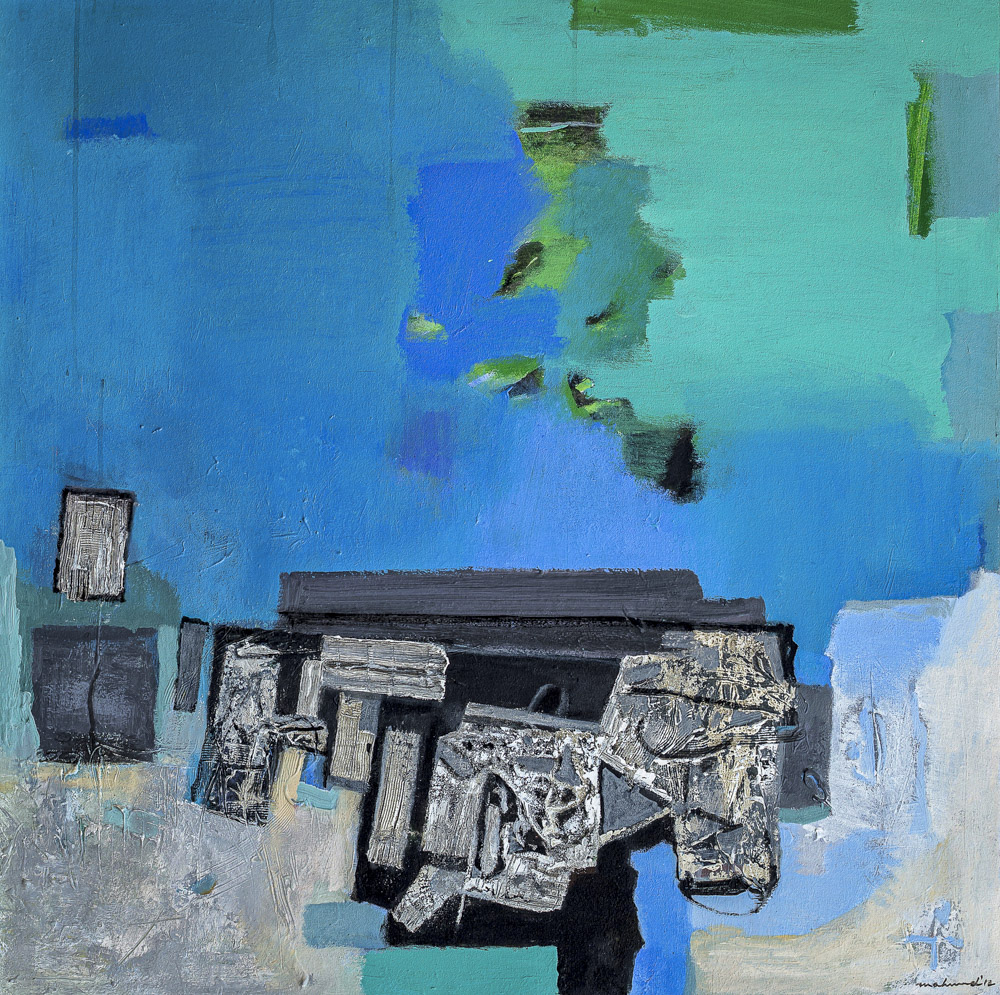
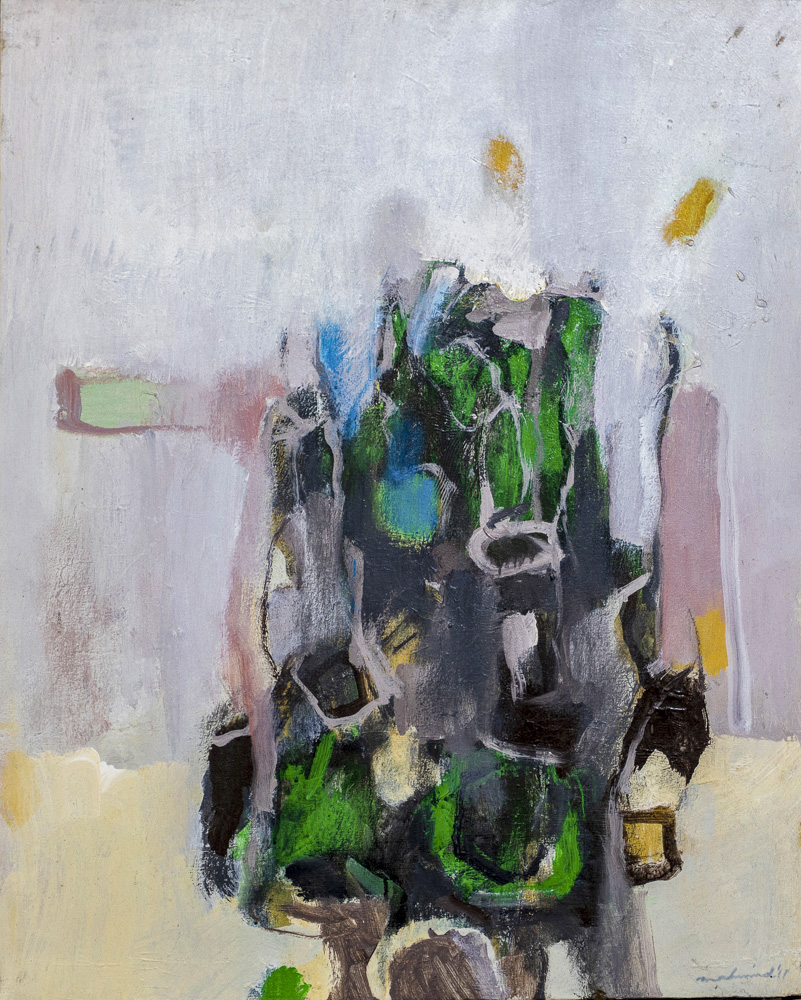
This philosophy became the defining characteristic of his signature style. Mahmudul Haque’s canvases are celebrated for their meditative quality. He favored a restrained color palette, often working with soft earths, deep blues, subtle greys, and pristine whites. Instead of loud narratives, his paintings rely on layers of texture, delicate lines, and geometric compositions that evoke a sense of architectural stability. His approach to abstraction was never chaotic, it was deeply calculating yet profoundly emotional. He believed that art should speak quietly to the soul rather than demanding immediate attention. Explaining his artistic intent, Mahmudul Haque famously remarked,
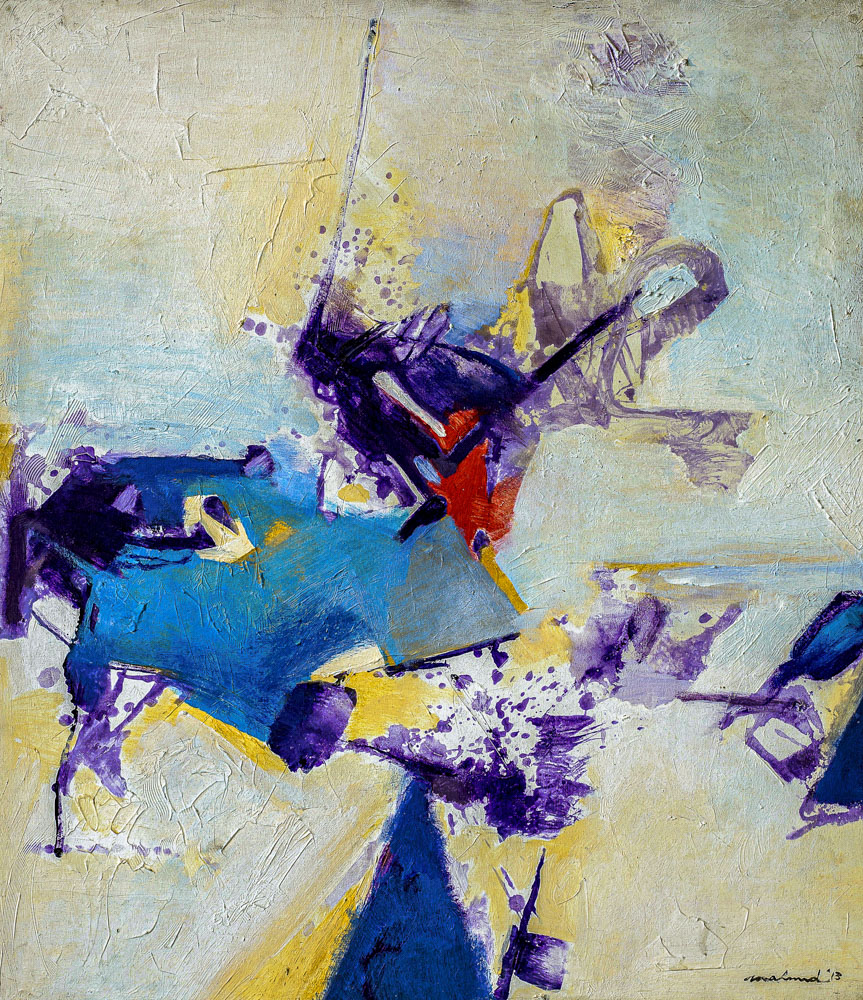
“I want my paintings to offer a sense of peace. The world is full of noise, and my goal as an artist is to create a quiet space on the canvas where a viewer can pause, breathe, and find a moment of absolute serenity.”
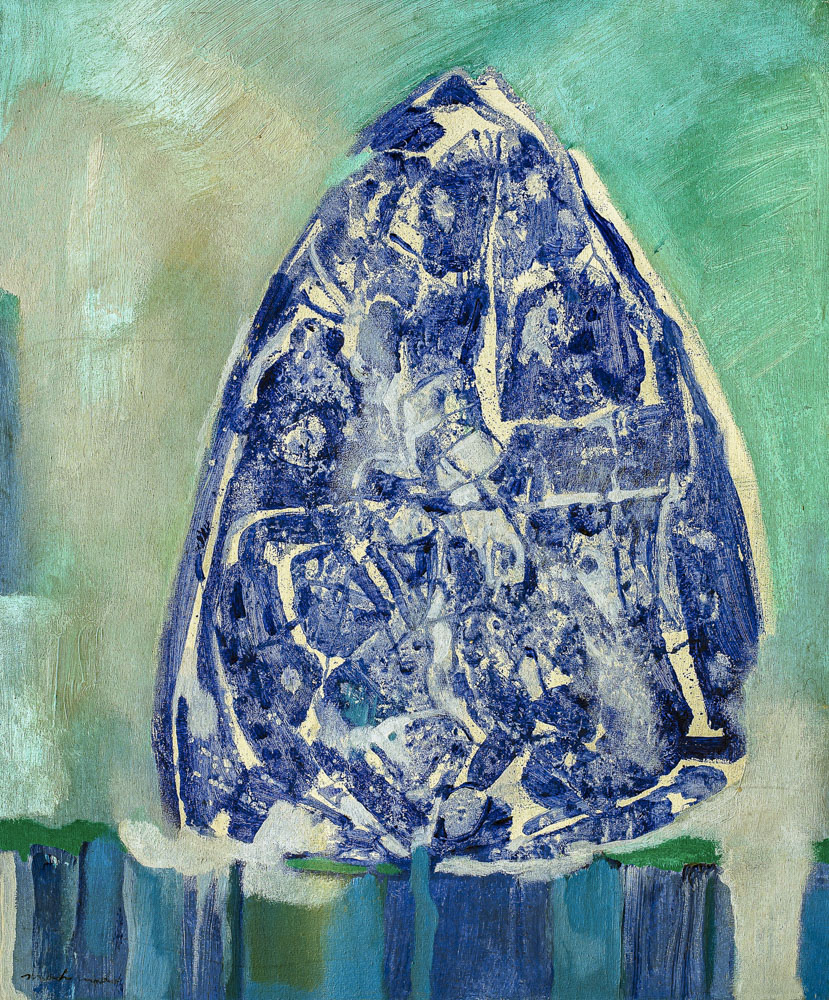
Beyond his brilliance as a painter, Mahmudul Haque was a monumental force in institutionalizing printmaking in Bangladesh. As a dedicated professor and former head of the Printmaking Department at the University of Dhaka, he mentored generations of contemporary artists, instilling in them a respect for technical mastery and original thinking. He later served as the Director of the Faculty of Fine Arts and the Director General of the Bangladesh National Museum, leaving an indelible mark on the country’s cultural administration. He was also the founding director of the Safiuddin Bengal Printmaking Studio, ensuring that the legacy of Bangladeshi printmaking would continue to thrive globally.
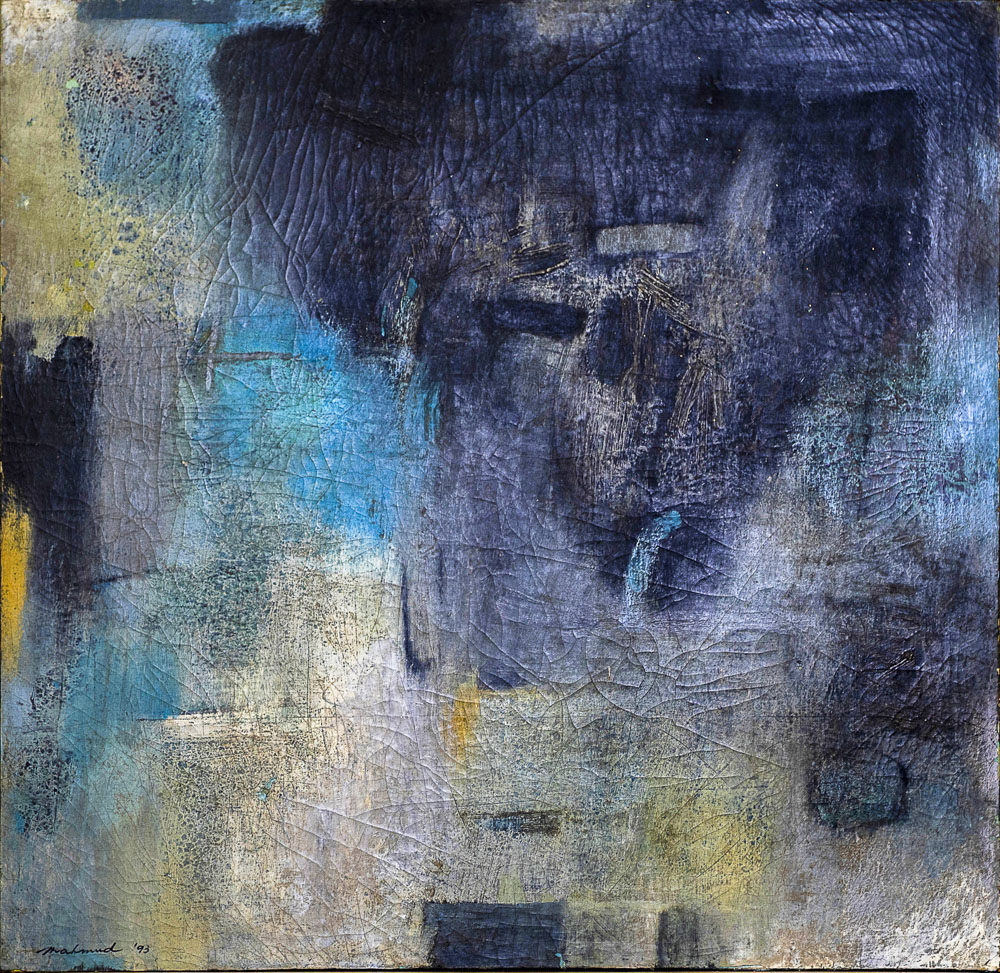
His immense contributions received widespread international acclaim. Mahmudul Haque showcased his works in over thirty nine solo exhibitions across the globe. He was honored with the Kuwait International Biennial Award in 1996 and the Honorable Mention Award at the Asian Art Biennale.
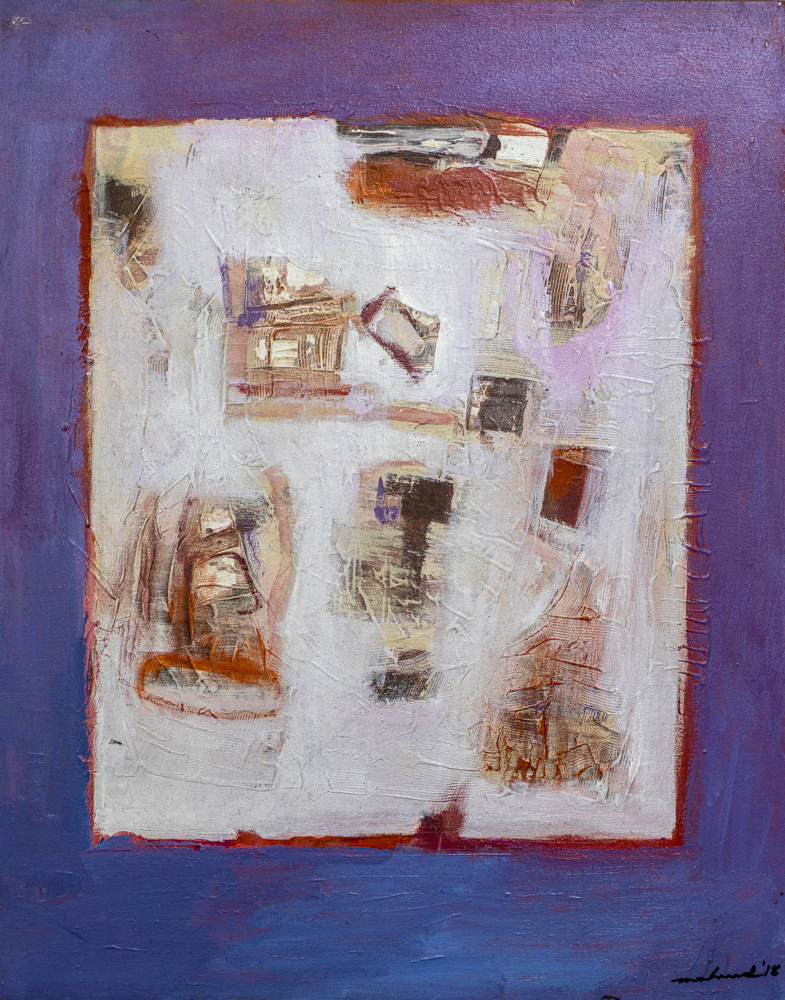
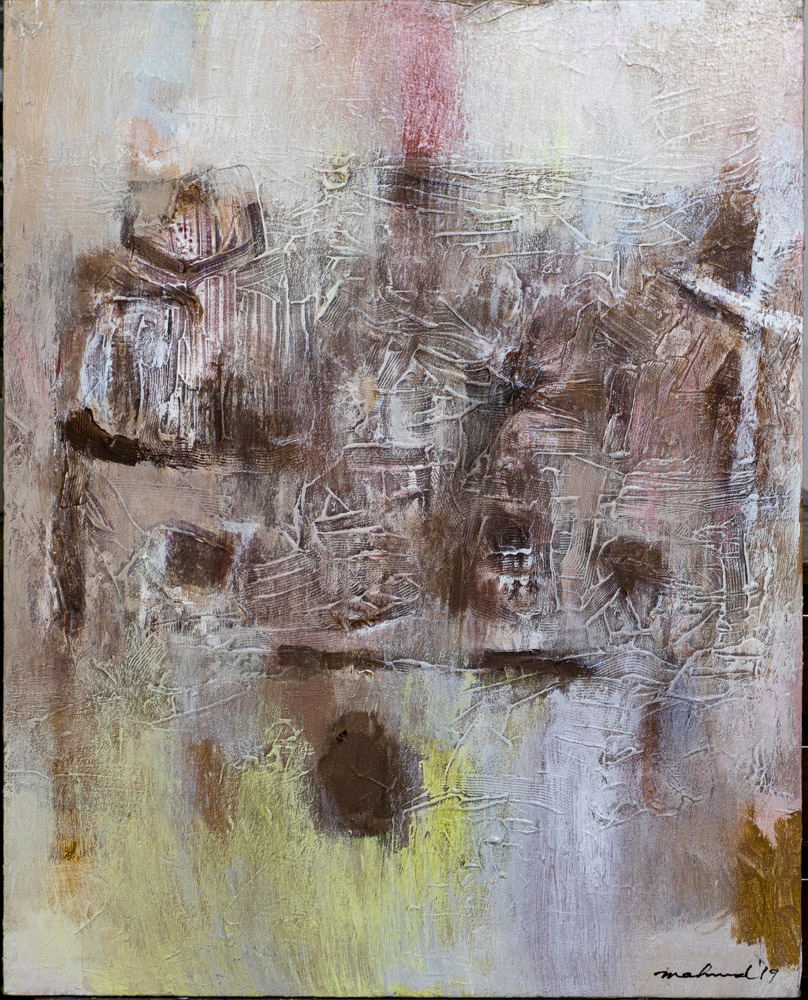
In 2019, the Government of Japan bestowed upon him the Order of the Rising Sun, Gold Rays with Rosette, celebrating his lifelong dedication to bridging the cultures of Bangladesh and Japan through visual art.
Though Professor Mahmudul Haque passed away in 2022, his visual legacy continues to speak to art enthusiasts and intellectuals alike. His art teaches us that true beauty lies in restraint, and that the ultimate sophistication is simplicity. Celebrating his journey is not just a look back at history, but a reminder of the timeless, universal standards of artistic excellence.