Mahbubur Rahman
The human physique serves as a highly combustible frontier where systemic brutality, colonial legacies, and socio-political dislocations violently intersect. Within a contemporary South Asian cultural landscape that frequently leans toward marketable painterly surfaces or reassuring decorative geometries, Mahbubur Rahman reimagines the creative environment as a site of rigorous political reckoning and historical trauma. Born and working in Dhaka, Bangladesh, Rahman is a multidisciplinary artist and Co-Founder and Trustee of Britto Arts Trust. Emerging as a towering force in post-independence Bangladeshi art, he systematically dismantles traditional hierarchies, seamlessly fusing drawing, installation, multimedia, sculpture, and performance.
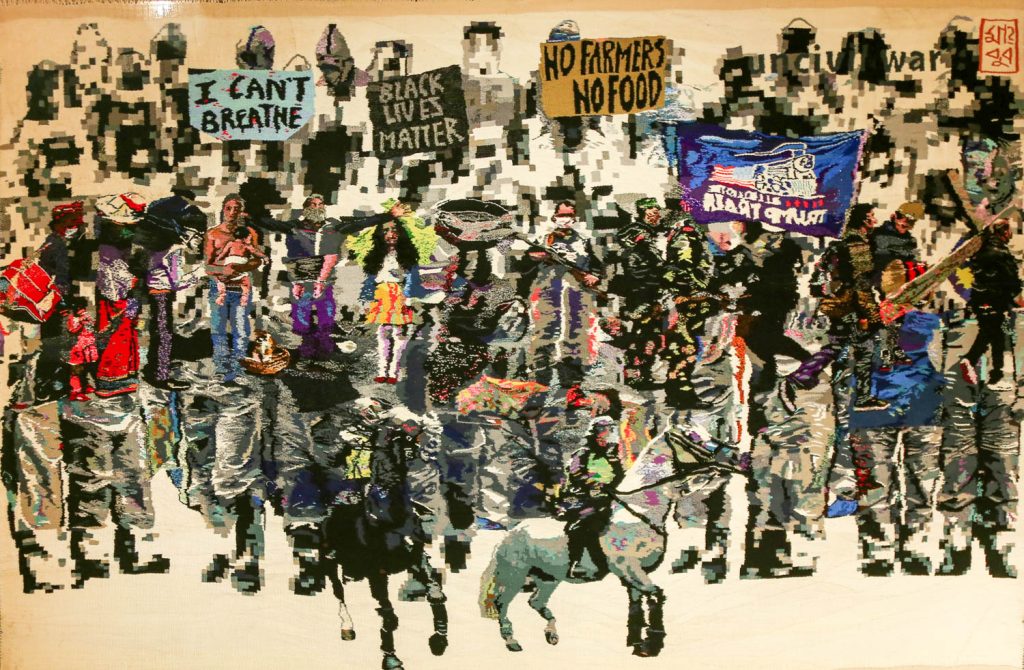
Through a confrontational vocabulary that utilises unusual tactile materials, from raw animal hides to countless stainless-steel surgical scissors, he drafts immersive, unsettling spaces that reflect the vulnerabilities of human existence while demanding a critical re-evaluation of collective history.
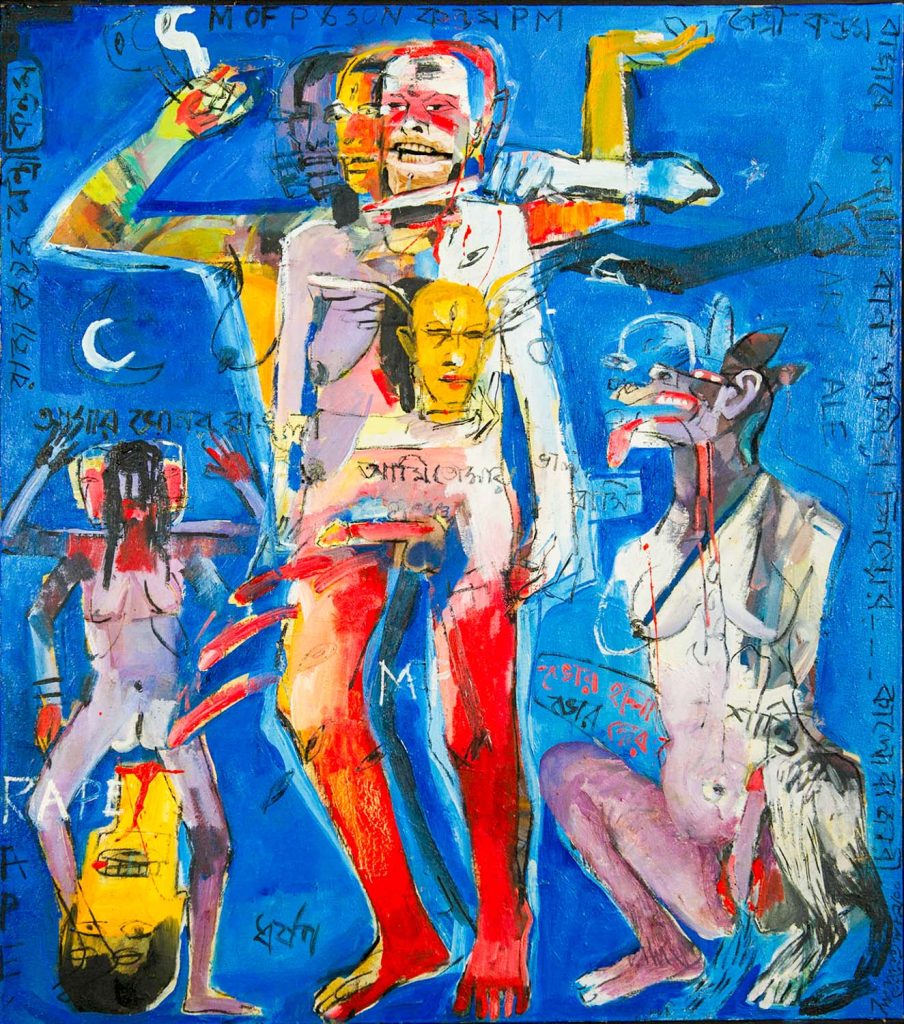
To fully comprehend this rebellious trajectory, one must trace the technical discipline that grounded his early academic years. Born in 1969 in Dhaka, Bangladesh, Mahbubur Rahman developed his analytical understanding of form at the Institute of Fine Arts, University of Dhaka, where he completed his Master of Fine Arts in 1993. Although his academic training provided an absolute command over anatomical structure and classical draftsmanship, he quickly understood that the deep psychological anxieties of a post-war nation could not be contained within two-dimensional surfaces. He turned inward, utilising his own body as an interactive instrument for structural critique.
This evolving artistic vision led him to co-found the Britto Arts Trust in 2002 alongside artist Tayeba Begum Lipi, with whom he continues to serve as Co-Founder and Trustee. Alongside fellow artists Shishir Bhattacharjee, Imran Hossain Piplu, Salahuddin Khan Srabon, and Kabir Ahmed Masum Chisty, Rahman belongs to a wider generation of artists whose practices have contributed significantly to the development of contemporary art in Bangladesh.
Reflecting on this conceptual departure from academic norms, the artist shares:
My work is a spontaneous response to the complex issues that have plagued post-independence Bangladesh, from colonial hangovers and migration to heavy political censorship. I deliberately choose materials that carry an innate memory of pain, separation, and religious orthodoxy
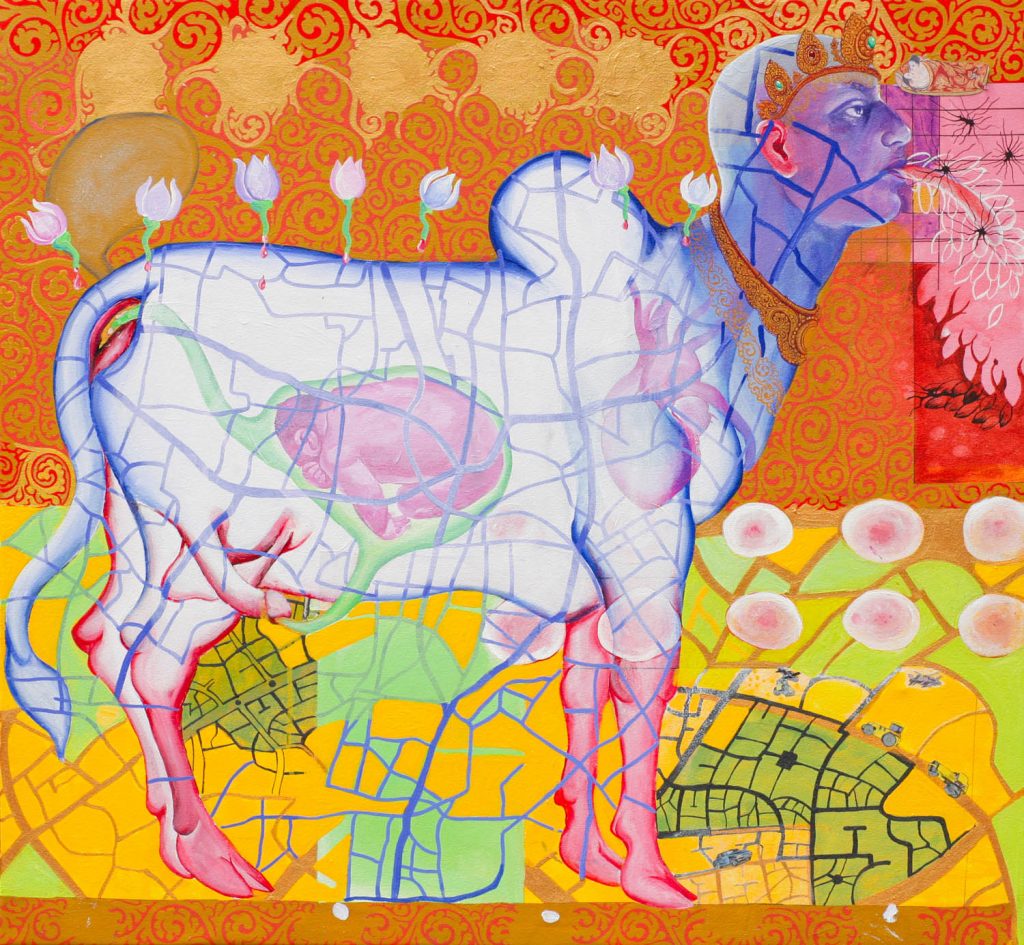
When I introduce cowhides, rusted wires, or surgical scissors into a gallery, I am not trying to create a beautiful decoration; I am finding a strange, confrontational beauty in ugly things that represent death, trauma, or the stagnation of our growth. The body is the ultimate canvas for political resistance.”
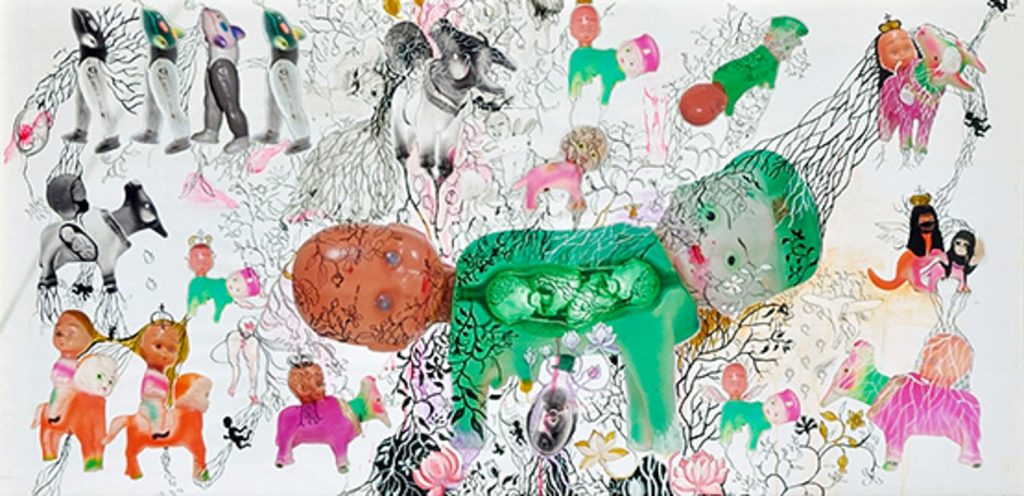
This unyielding engagement with institutional structures pushed his work into global prominence. His major solo exhibitions and projects have been presented in Dhaka, Delhi, Mumbai, Chittagong, and Yogyakarta, while his selected group exhibitions have extended across major international platforms, including Sculpture Park Jaipur, the Eli and Edythe Broad Art Museum in the United States, the Modern Art Museum in Shanghai, Kathmandu Triennale, Colomboscope in Sri Lanka, the Museum of Contemporary Art Xinjiang, Colombo Biennale, the 54th Venice Biennale, Dhaka Art Summit, Kathmandu International Art Festival, Gwangju Biennale, Khoj Delhi’s Six Degrees of Separation, the South Asian Contemporary Art Exhibition in Copenhagen, the Indian Triennale, and Fukuoka Art Museum. His practice has also been connected with significant international platforms through Britto Arts Trust, including documenta fifteen, Serendipity Art Festival, Kunsthaus Zürich, Centraal Museum in the Netherlands, Harewood Biennale in the UK, MAXXI Rome, Bengal Biennale in India, Diriyah Biennale in Riyadh, and Asia NOW Paris. His pioneering installations began generating attention as early as 1990, earning the Best Award in Sculpture at the 9th Young Artists’ Art Exhibition. This was followed by his landmark solo presentation Waiting for Heaven in 1994 at the Bangladesh Shilpakala Academy, which introduced a new conceptual scale to local audiences. He pushed these boundaries further with his 1997 urban performance City Crisis, activating site-specific interventions to critique uncontrolled metropolitan growth.
His experimental practice also earned prestigious national recognition, including an Honorable Mention at the 5th Asian Art Biennial Bangladesh.
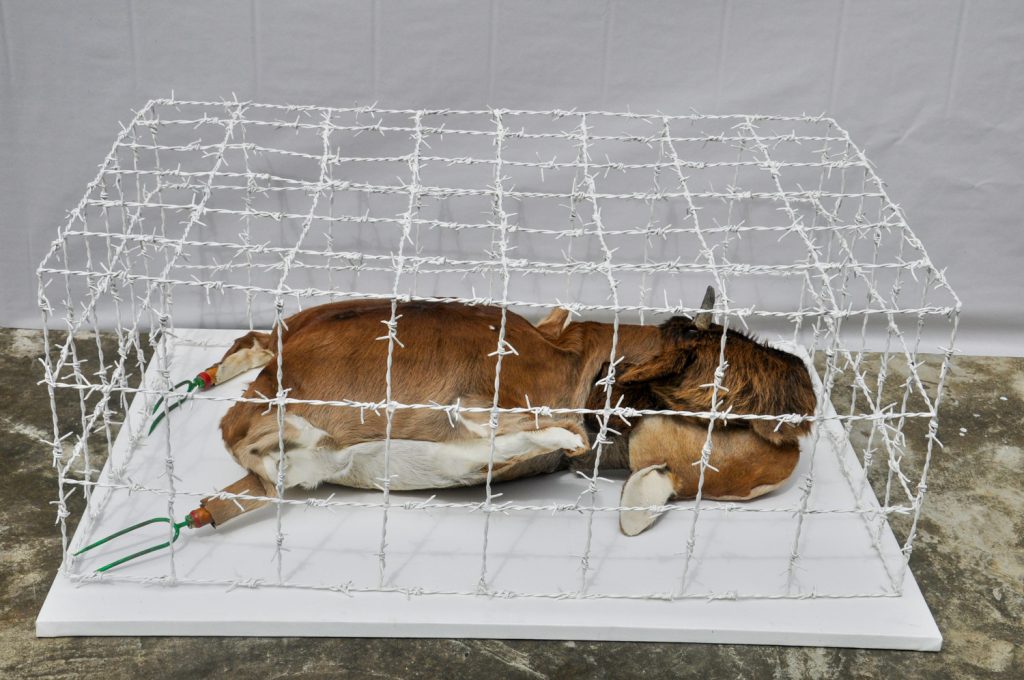
In his deeply poetic and ongoing performance work, Transformation, initiated in 2004, Rahman physically anchors massive buffalo horns to a faceless rope hood, creating a striking contrast between raw power and a state of profound blindness and helpless wandering. The performance refers to the localised lore of the historical rebel farmer Nuruldunner Sarajiban, whose legendary resistance to British colonial forces eventually ruined him and forced him to pull his own plough in place of beasts. Over the years, the artist has carried this embodied act across cross-cultural public domains in France, Nepal, and the United Kingdom, culminating in a historic intervention performed directly in front of Louis I. Kahn’s iconic National Parliament House in Dhaka. By inserting his own likeness and physical endurance directly into his sculptural structures, he deliberately merges private psychological tension with systemic geopolitical realities. Each chosen object, whether a medical tool or weathered skin, carries layers of cultural memory and histories of control.
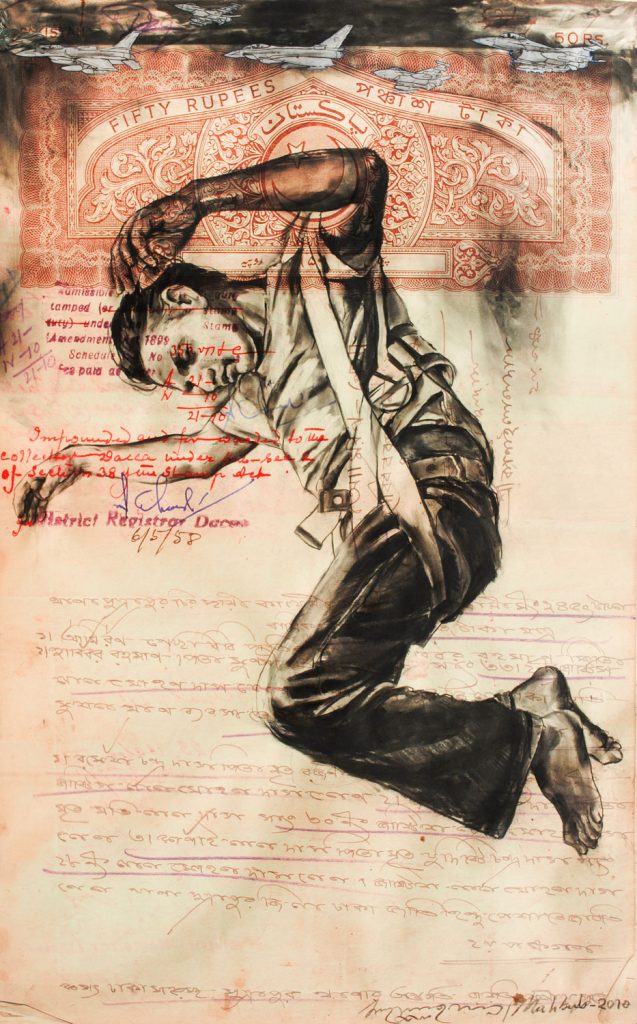
His international presence is further reflected in his representation of Bangladesh through Parables, the inaugural Bangladeshi Pavilion at the 54th Venice Biennale in 2011, as well as his participation in major institutional and international exhibitions. His works are held in significant public and institutional collections, including the Kiran Nadar Museum of Art, Devi Art Foundation, Bengal Foundation, Samdani Art Foundation, Durjoy Bangladesh Foundation, Kunsthaus Zürich, Centraal Museum Netherlands, Neue Galerie Kassel, Tate Modern in the United Kingdom, Fukuoka Art Museum, JSW Foundation, LO-FTF Council Denmark, Bangladesh Shilpakala Academy, Harmony Art Foundation, and the Ministry of Foreign Affairs, Bangladesh.
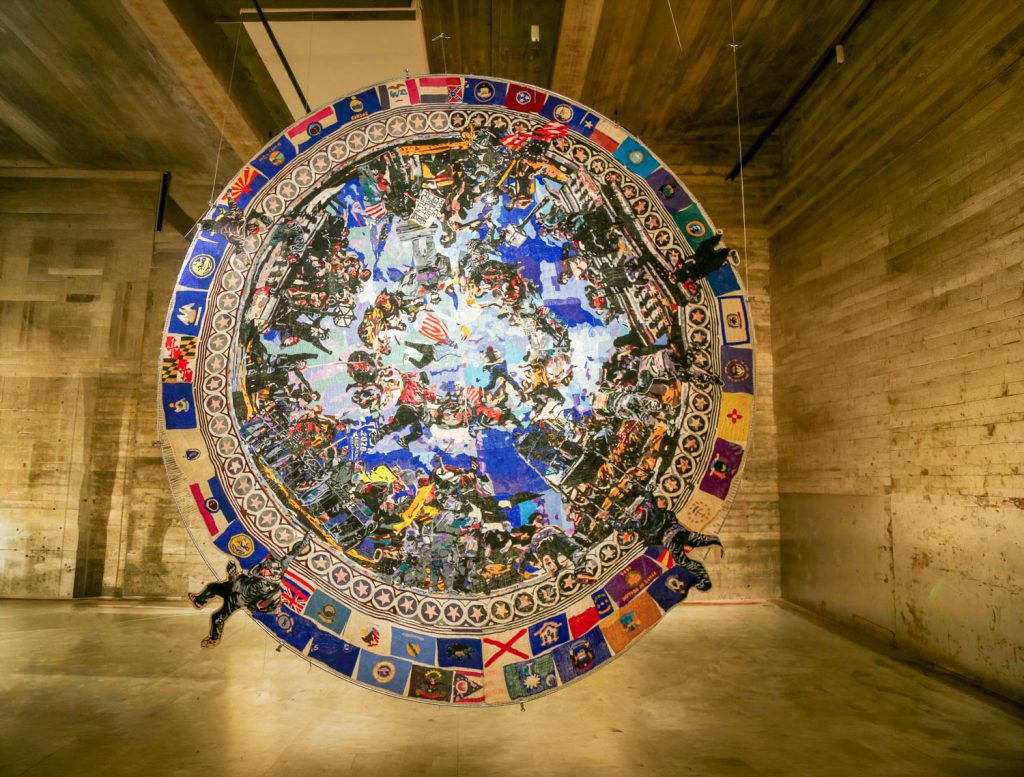
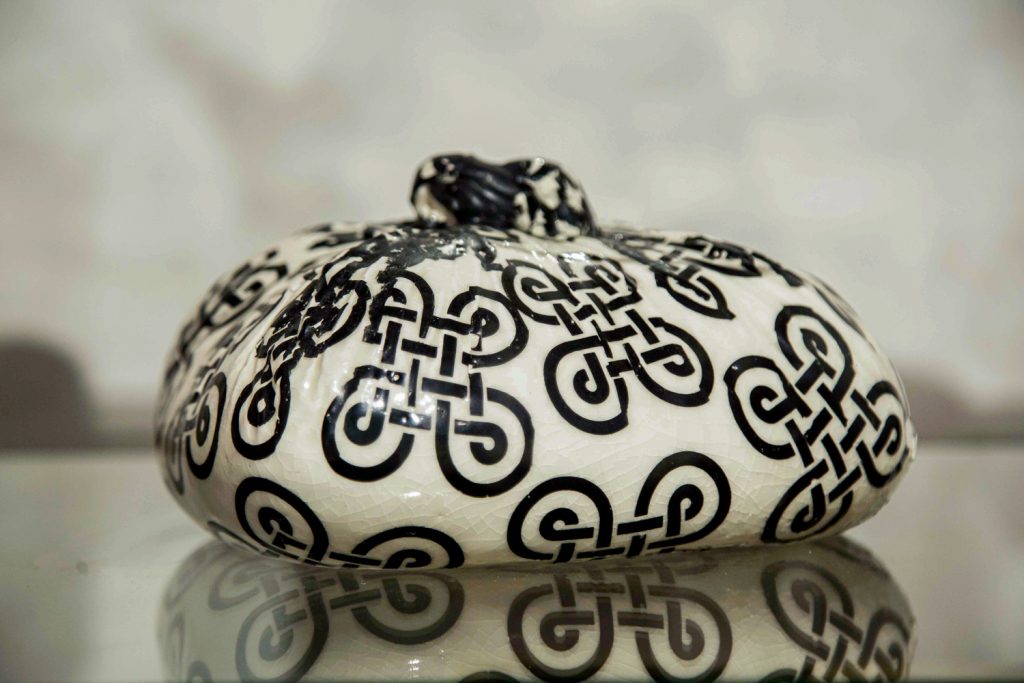
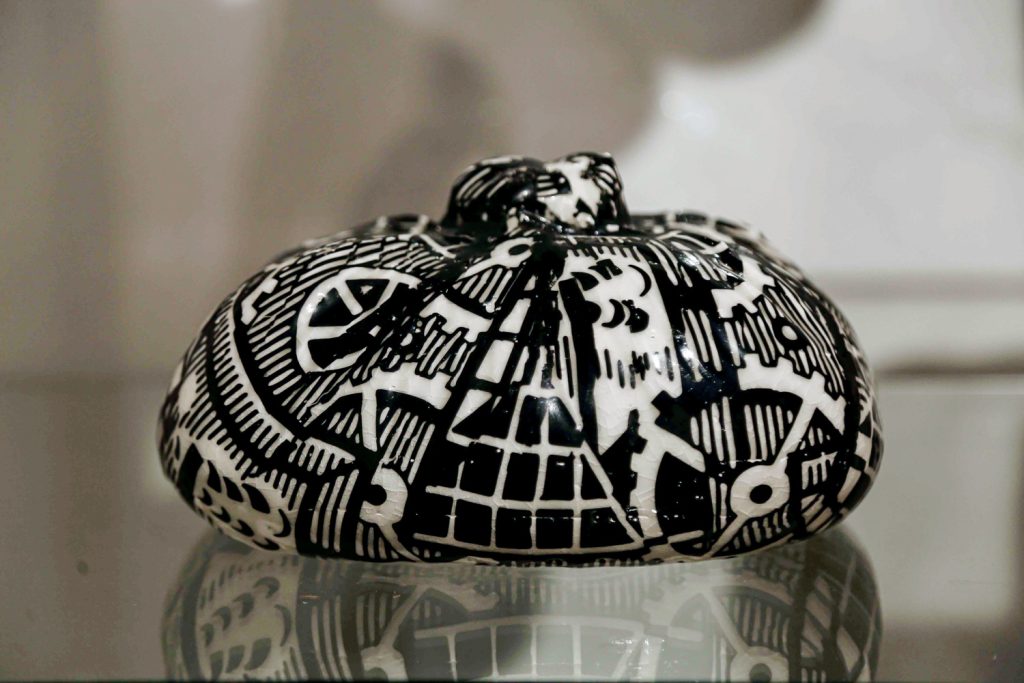
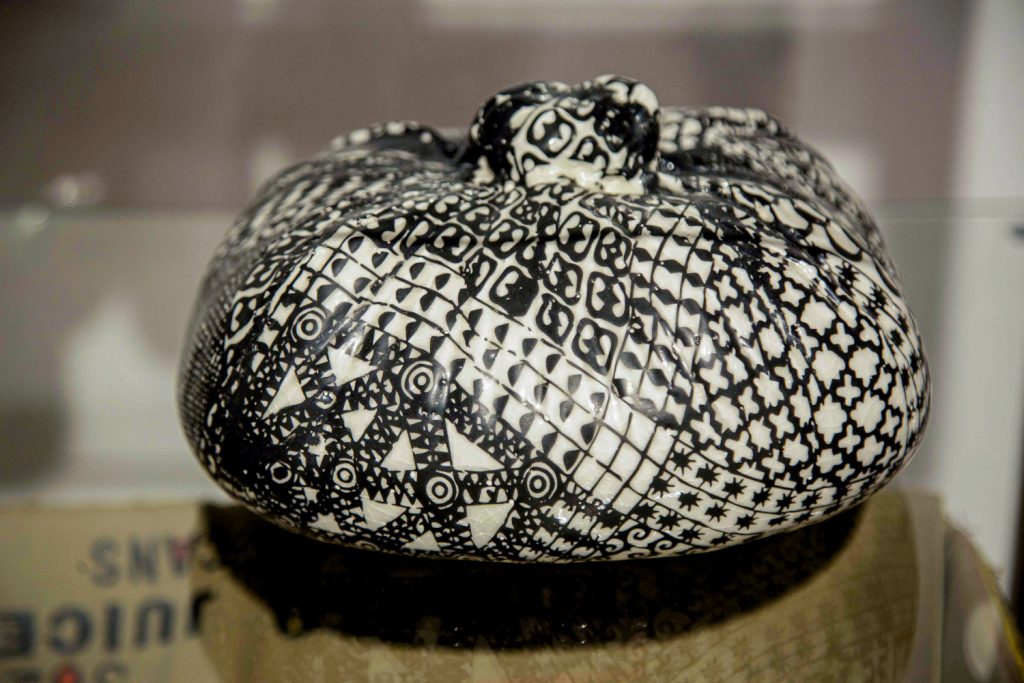
For modern interior architects, spatial designers, and sophisticated art collectors, Rahman’s grand environmental installations offer a vital text in architectural deconstruction and spatial politics. In a modern era saturated with smooth digital screens, cold glass panels, and mass-produced minimalist interiors, his confrontational works inject an uncompromising dose of material truth and raw texture. His practice implies that an architectural enclosure must not remain a passive background for ornament, but function as a dynamic catalyst for intellectual dialogue. By introducing his large-scale structural inquiries into a contemporary spatial landscape, an interior can shed its corporate neutrality and gain profound narrative depth. The stark friction between sterile modern surfaces and his organic, unpolished mediums stops the gaze of the spectator, commanding an intense moment of historical reflection. Ultimately, Mahbubur Rahman operates as an essential force in an age of temporary aesthetic trends and fleeting digital distractions.
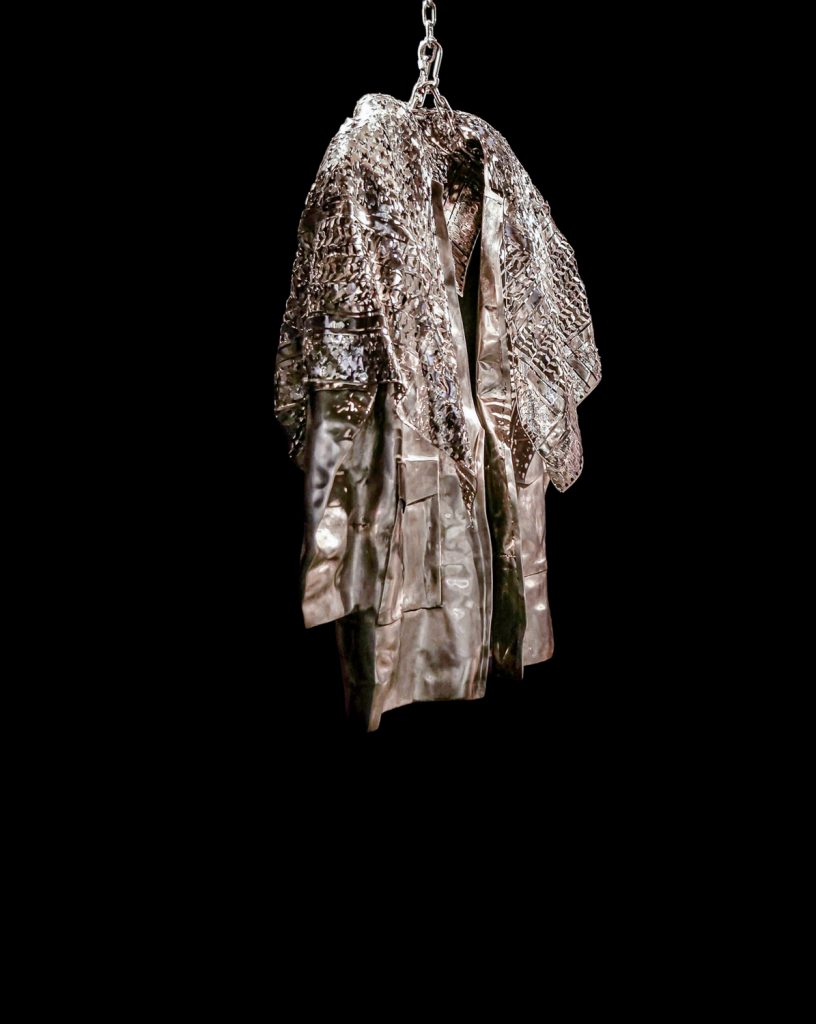
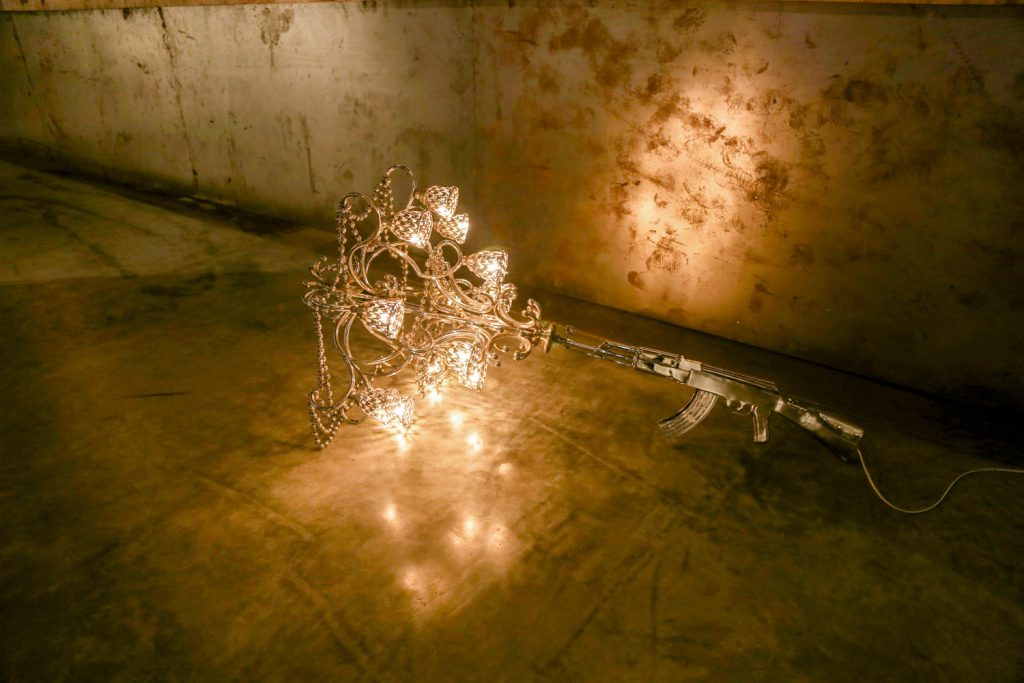
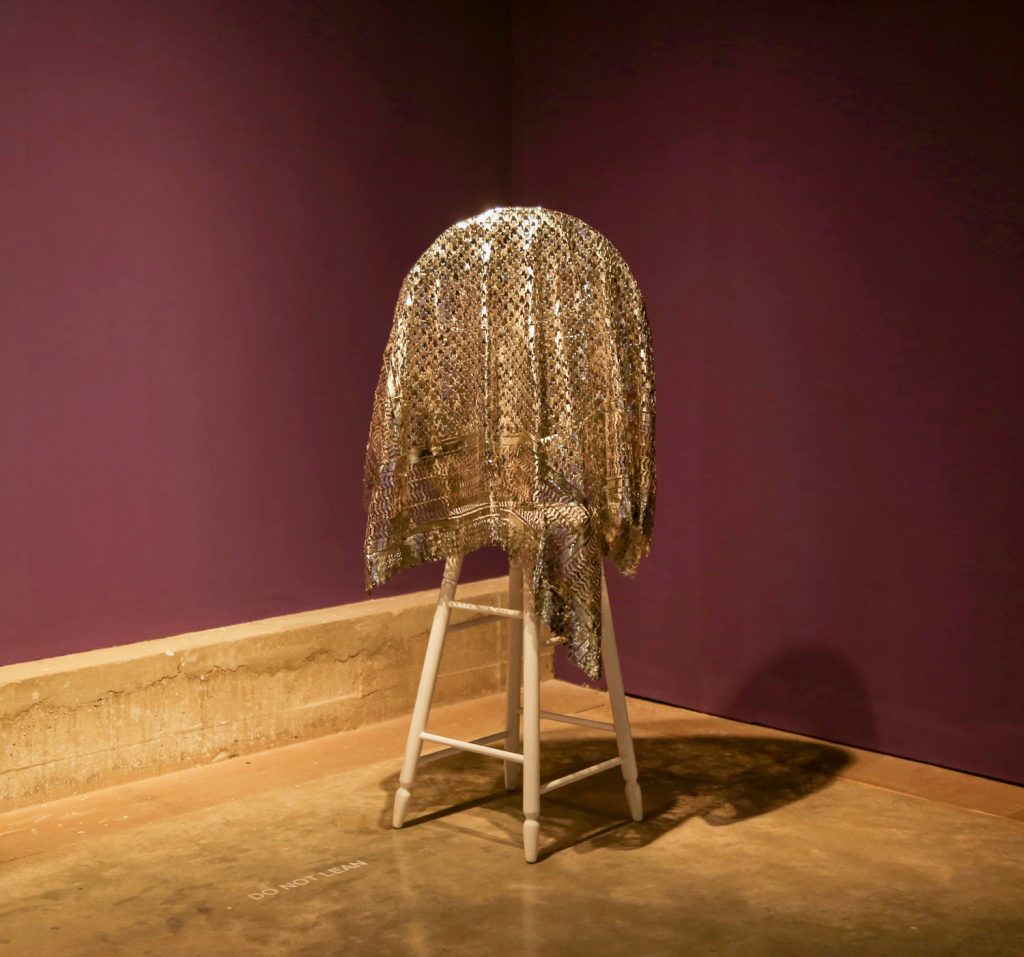
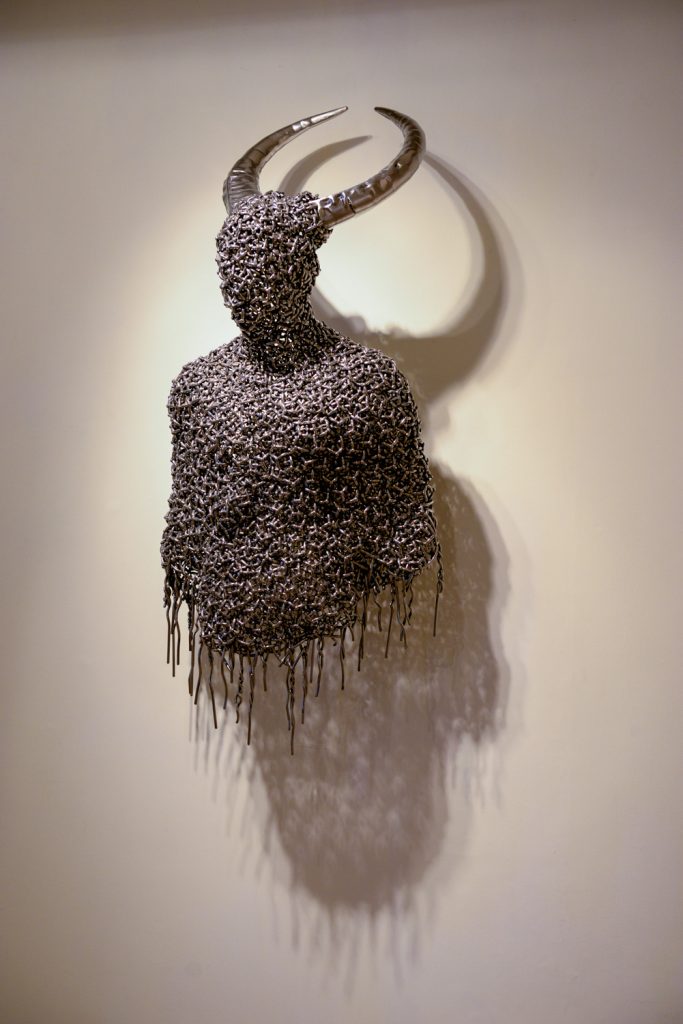
He transforms slow, physically demanding processes and raw industrial and biological objects into a language that challenges superficiality and passive consumption.
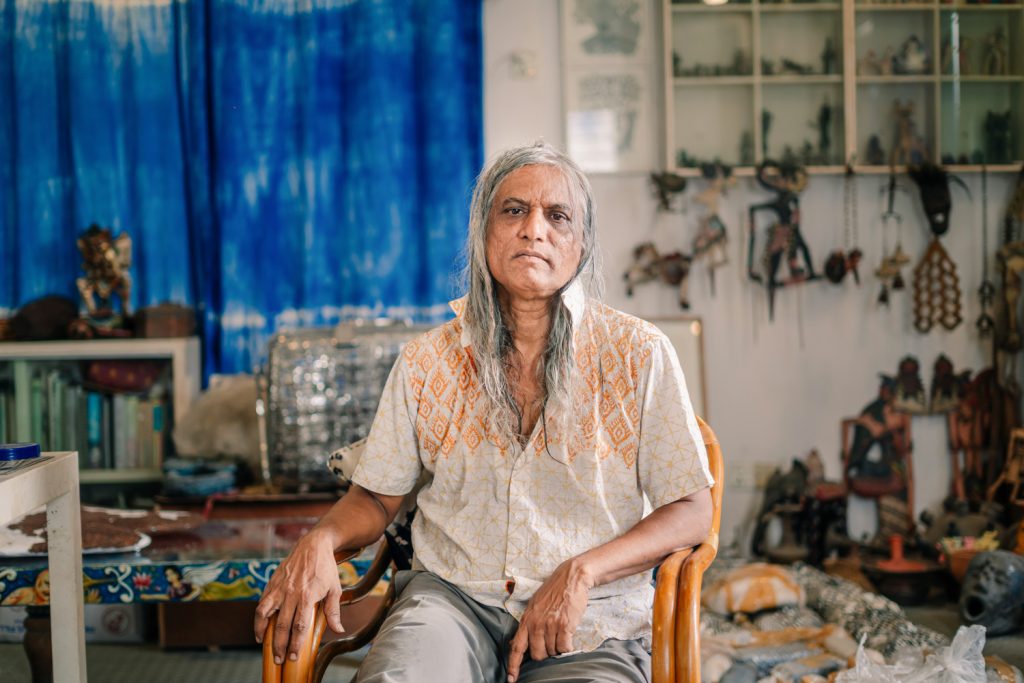
His multi-layered creations refuse to offer a simple or comforting narrative; instead, they demand an unhurried sensory engagement from the spectator. Through his singular and defiant vision, the exhibition space ceases to be merely a playground of commercial aesthetics. It becomes an enduring monument of political truth, human resilience, and contemporary cross-media expression an architecture of resistance that challenges us to look directly into the fracture lines of our history.