Syed Jahangir
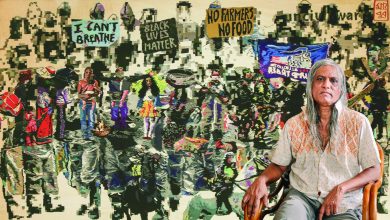
The canvas exists as a luminous threshold where human perception directly confronts the ancient and shifting spirit of the landscape. Within the historical evolution of modern art across the delta, the organic world has often been reduced to a static, romanticised backdrop or a predictable illustration of rural tranquillity. However, the artist Syed Jahangir treated the painted surface as a volatile site of organic energy and deep philosophical meditation.
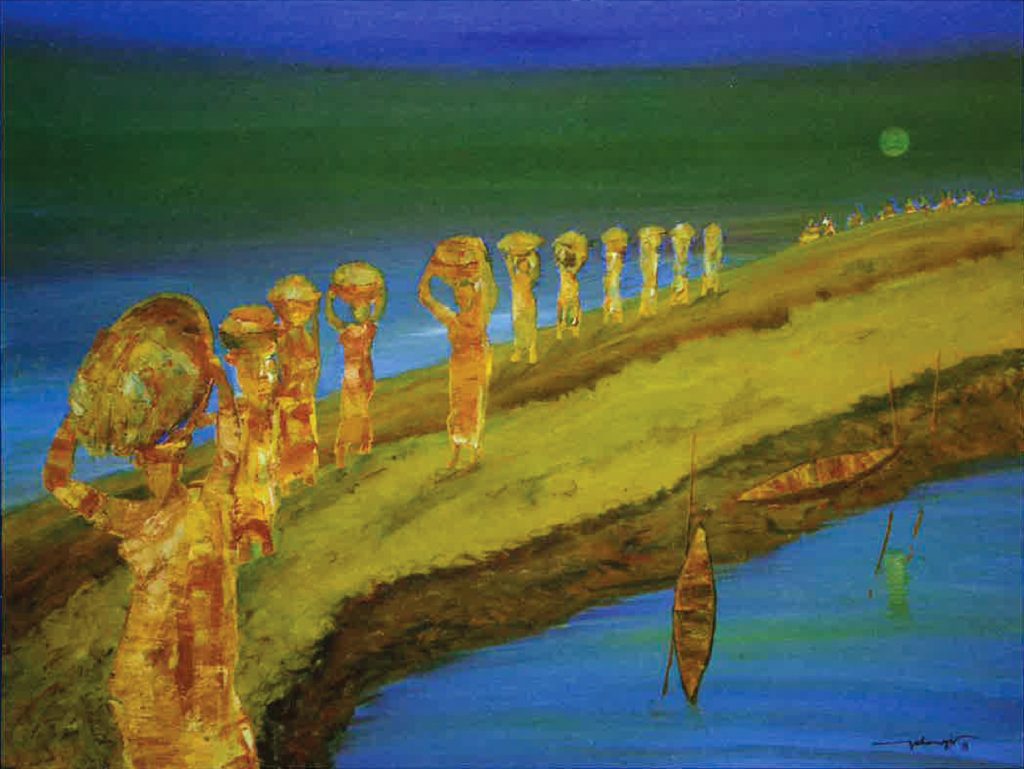
As a monumental pillar of the iconic 1950s generation of master painters, Syed Jahangir fundamentally shifted the course of regional abstraction by building vast visual arenas where the heavy textures of the earth, the muscle of human labor, and the absolute infinity of the cosmos seamlessly collide. Through an uninhibited deployment of sweeping palette knife strokes, thick impasto layers, and spontaneous color fields, the artist crafted a sensory sanctuary that vibrates with the untamed life force of the soil and the profound psychological depths of the human subconscious mind. A deep understanding of the structural discipline and nomadic freedom behind his early intellectual awakening reveals the true architecture of this visual philosophy. Born in 1935 in the riverine village of Tetulia within Satkhira, his conceptual thinking was developed amidst the vibrant cultural crosscurrents of the mid-twentieth century.
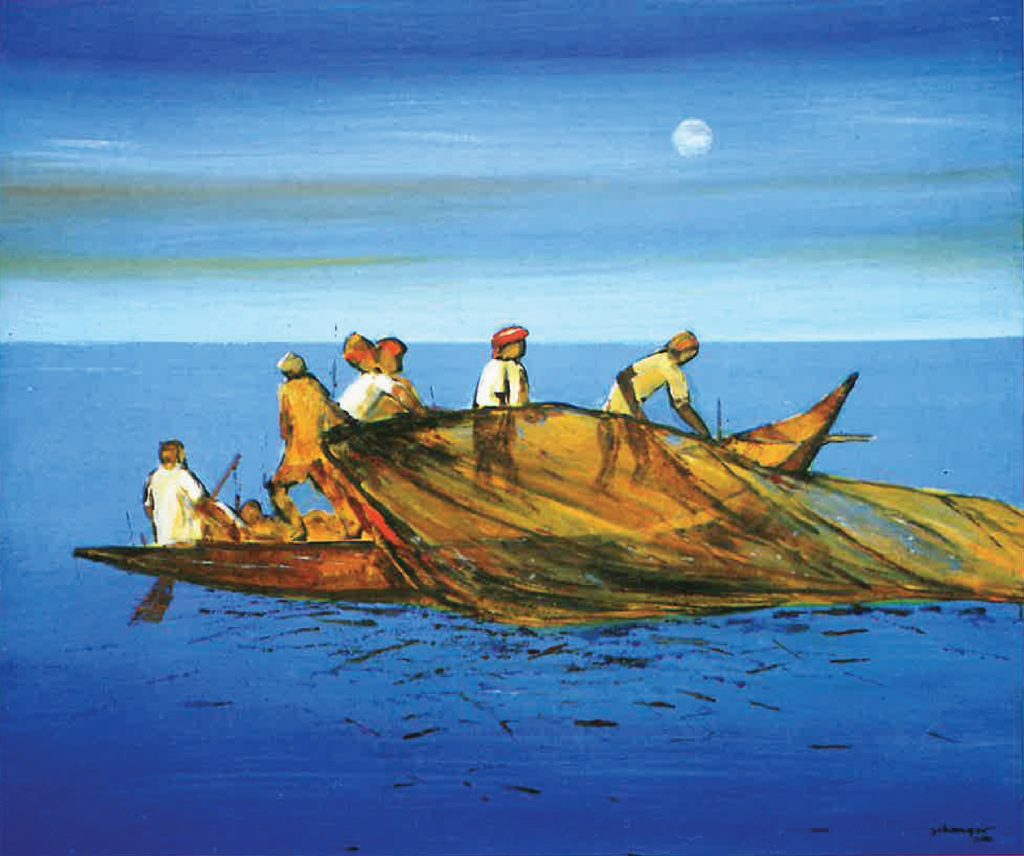
Jahangir was guided heavily by the literary and philosophical vision of his elder brother, the legendary poet Sikander Abu Jafar. This intimate connection to the literary avant-garde instilled in the young painter a lifelong reverence for structural rhythm and metaphorical depth. Graduating from the Government Institute of Arts in Dhaka in 1955, his early academic years by an exceptional sensitivity to the landscape to his early academic years, capturing the serene curves of rural riverbanks with a rare clarity. Yet, his subsequent migratory experiences and extensive travels across the United States and Europe did not alienate him from his roots. Instead, these journeys granted him a sophisticated control over the international syntax of abstract expressionism.
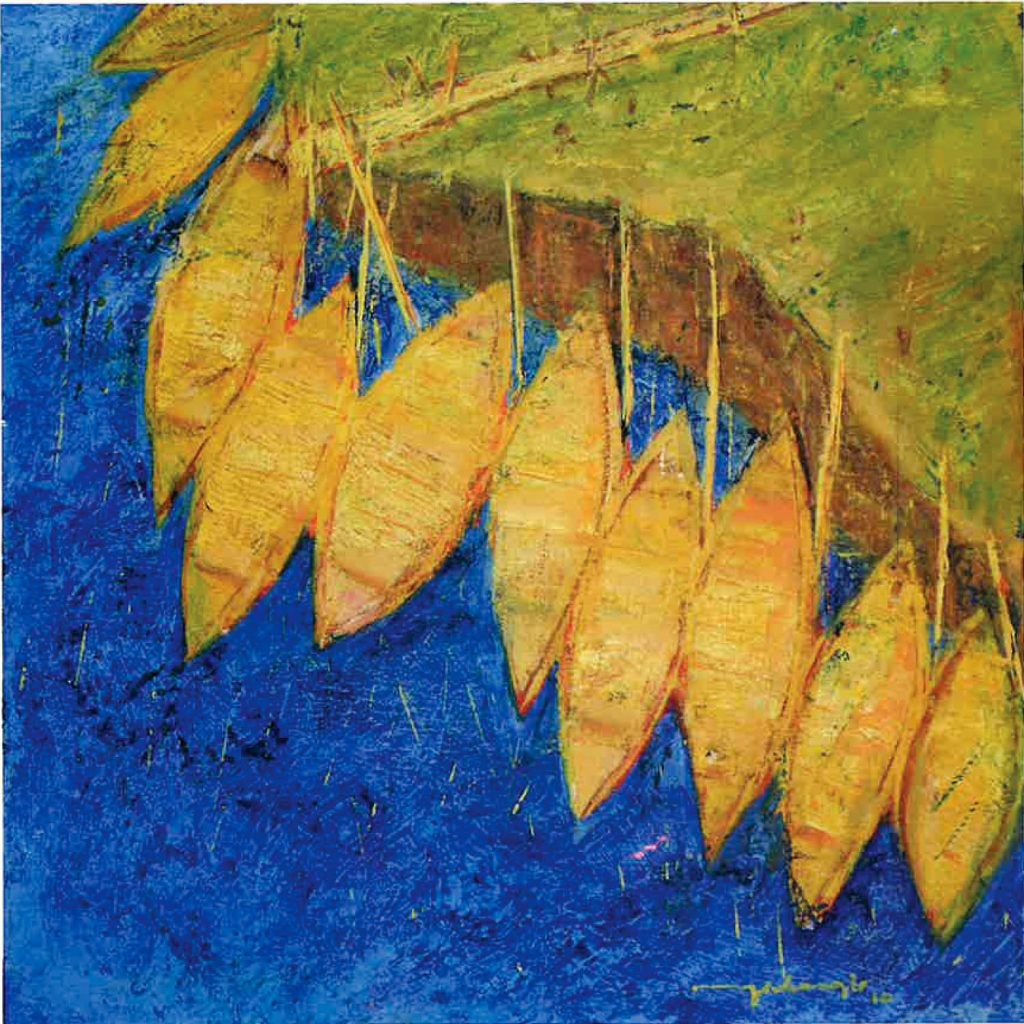
He systematically broke away from the clinical limits of academic realism, recognizing that the raw, chaotic spirit of a monsoonal landscape could never be contained within neat illustrative contours.
Reflecting on this internal evolution from literal landscape representation to pure non-figurative expression, the artist observed:
“The surface of a canvas is not an empty arena to be filled with calculated illustrations; it is a live space where human emotion must grapple with the physical elements of the earth. When I allow the paint to layer or when I run a palette knife across the canvas, I am not merely recreating a sunset or a riverbank. I am capturing the deep undercurrents of survival, the raw and unpredictable energy that flows between the soil beneath us and the open sky above. True painting must look past the superficial contours of reality to uncover the silent, universal rhythms of the human spirit.”
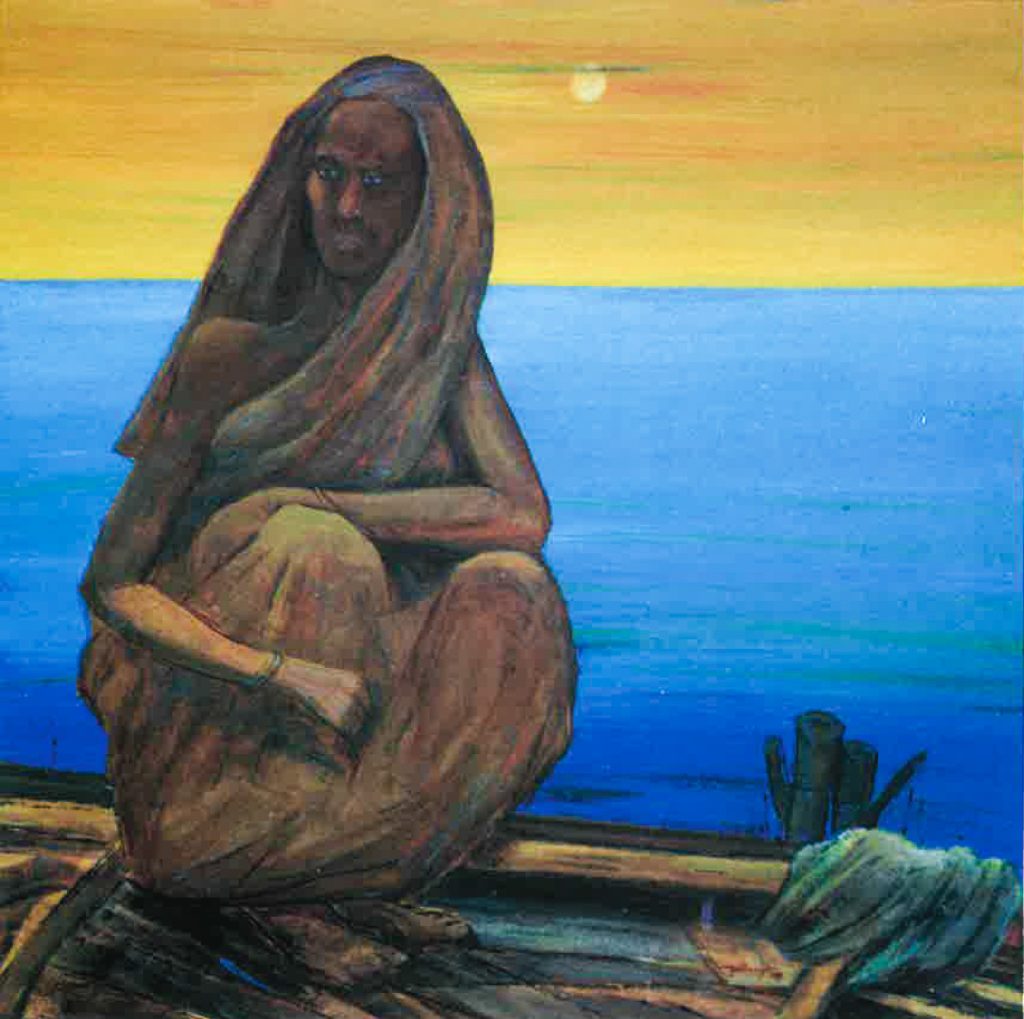
Forms within his legendary spatial choreographies completely surrender to pure momentum and cosmic weight. In his celebrated series like Quest for the Unknown, shapes are never static or comfortably anchored within the frame. Instead, they emerge as swirling, dancing apparitions that seem to rise from a deep collective archetypal memory. The heavy, tactile tracks left by his palette knife mimic the daily physical endurance of the farmer tilling the clay or the fisherman slicing through a violent monsoonal current, bridging the gap between artistic creation and raw human survival. His compositions function as shifting fields of cosmic force, where the specific realities of agrarian life are elevated into a universal exploration of time and existential space. By seamlessly integrating fluid, calligraphic undercurrents and symbolic structural arches into his later masterpieces, the artist successfully united the frantic energy of Western action painting with a deep, Eastern meditative stillness. The viewer is consistently challenged to look past the superficial surface of the paint and confront the unseen spiritual tides that govern both the natural world and human destiny. As the artist shared regarding this creative mission:
“As an artist, my work is fundamentally rooted in themes of nature, reality, unreality, and the intricate layers of storytelling. The urban landscape and the relentless pressure of modern societal shifts leave a lasting impression on my consciousness. I adopt a highly expressive approach to elucidate my views on the interplay between the environment and human society. This pursuit of visual creation is not solely an individual endeavor; it carries a deep social responsibility to remind this generation that we belong to the collective consciousness of a larger, changing world.”
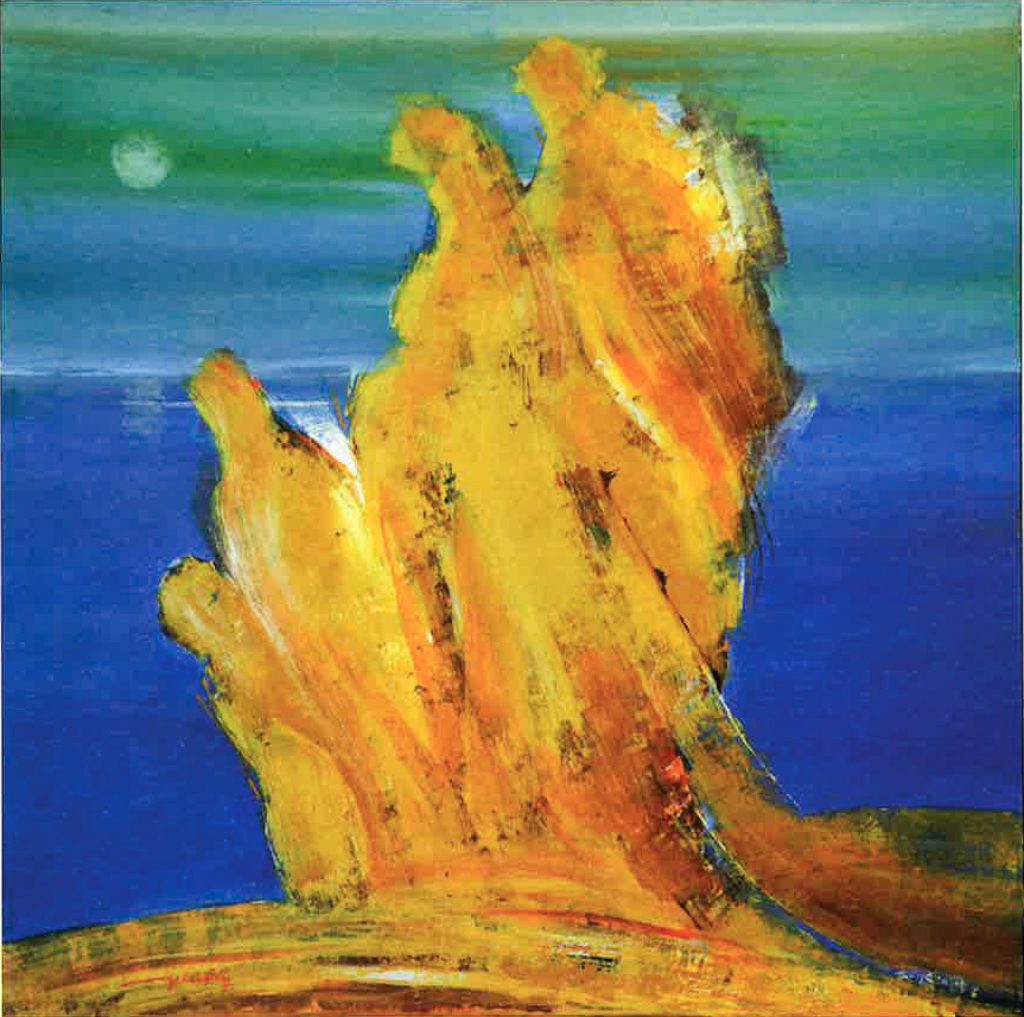
The chromatic strategy of these works relies on an instinctive, profound understanding of the tropical climate’s emotional weight. The artist built a powerful, muscular color vocabulary dominated by burning terracotta reds, deep mustard yellows, and dark, monsoonal blues that capture the shifting temperaments of the deltaic sky. His absolute control over the density and viscosity of oil mediums allowed his surfaces to achieve an extraordinary, sculptural presence on the wall. The darker, shadow-filled passages of his canvases never feel empty or passive. They are thick with hidden histories of underpainting, vibrating with an internal light that demands slow and total immersion from the spectator.
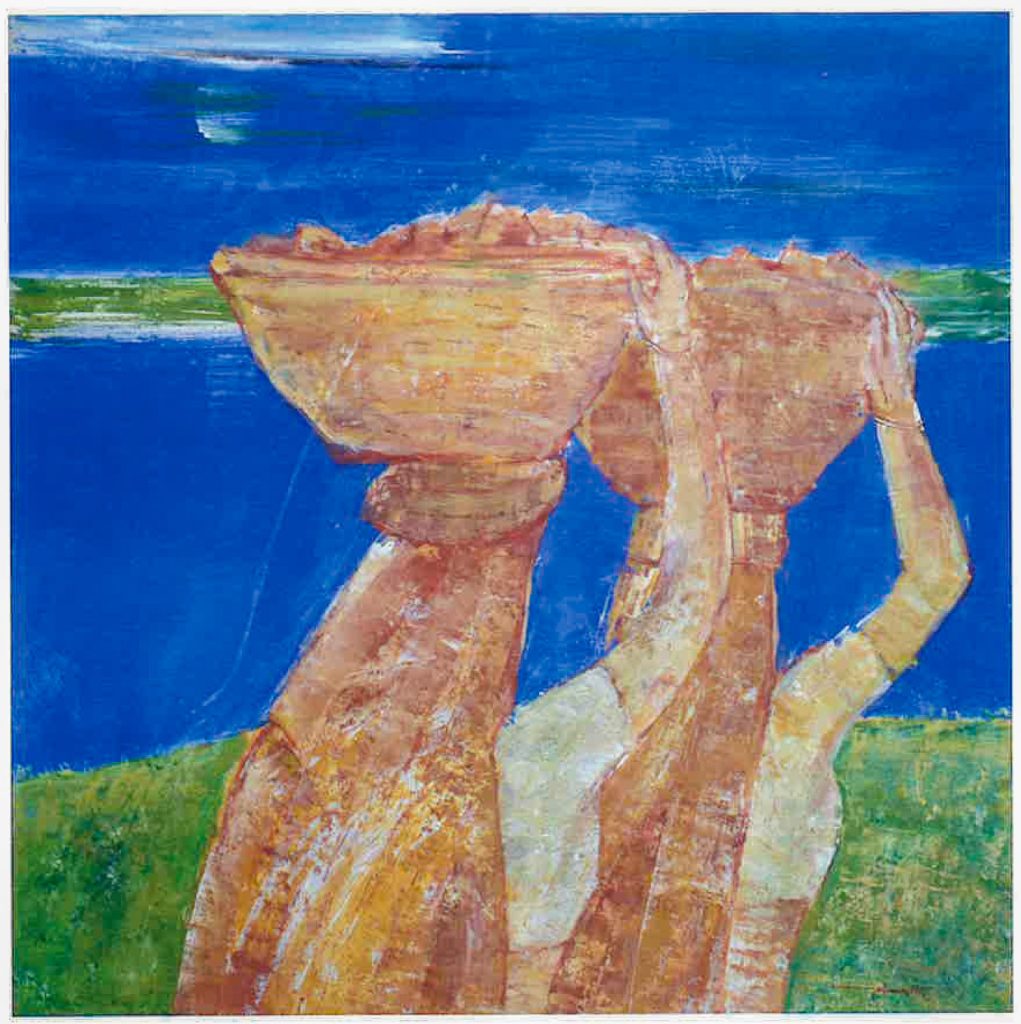
Each major solo presentation, including his historic retrospectives curated by the Bangladesh Shilpakala Academy, demonstrated his rare capacity to transform the specific geographical identity of his homeland into a timeless, global visual monument, earning him the prestigious Ekushey Padak and a permanent place in the international history of modern expressionism. Reflecting on the technical nuances that define his visual fields, the artist shared:
“The process of building an abstract canvas is intricate and demanding, yet it offers a wide range of expressive possibilities from the lightest, most translucent shades of color to deep, rich fields of charcoal black that are completely unparalleled in other mediums. My focus remains entirely on pushing the boundaries of oil and mixed textures, using phosphoric mixtures and raw pigments to create an authentic sense of depth. Ultimately, the goal is to elevate our regional fine art to an international level through continuous progress and tactile experimentation.”
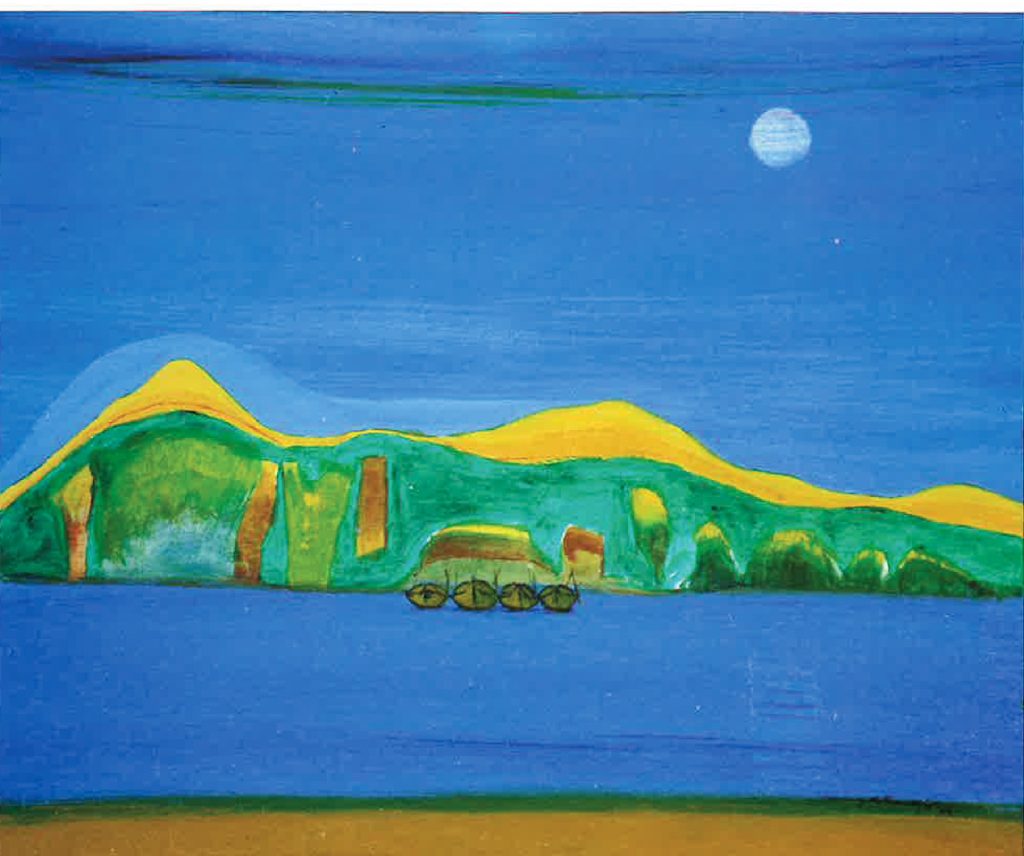
These powerful and textured canvases offer a vital blueprint in visual authenticity and raw emotional scale for modern interior architects, spatial designers, and contemporary cultural collectors. In a modern era heavily saturated with smooth digital interfaces, cold glass structures, and mass-produced minimalist surfaces, his deeply textured paintings celebrate the enduring authority of the human hand and emotional vulnerability. This work demonstrates that a structural wall should not merely serve as a functional enclosure, but function as an open doorway into the primal rhythms of existence. The visible knife marks, heavy pigment deposits, and shifting color fields provide a dramatic and necessary counter-narrative to the sterile textures of contemporary architectural materials.,

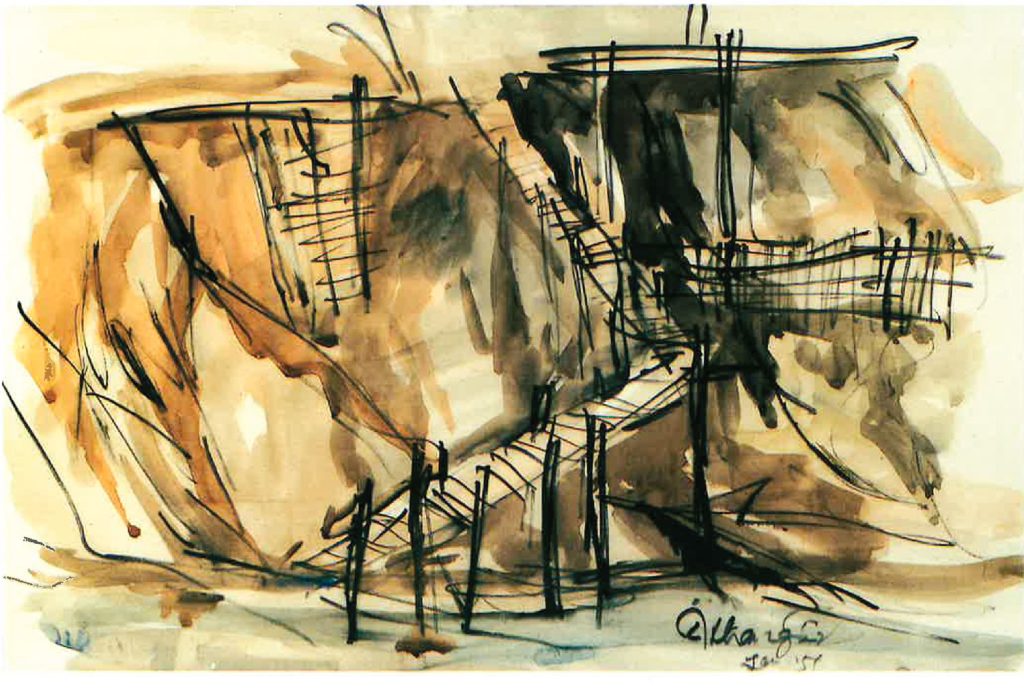
By introducing his sweeping visual energy into a modern spatial environment, an interior instantly gains a profound sense of historical weight and intellectual depth, forcing contemporary architecture to converse naturally with the ancient, enduring warmth of the earth.
His creations possess a rare capacity to alter the spiritual speed of a room, commanding an essential moment of quiet contemplation in an otherwise restless world.
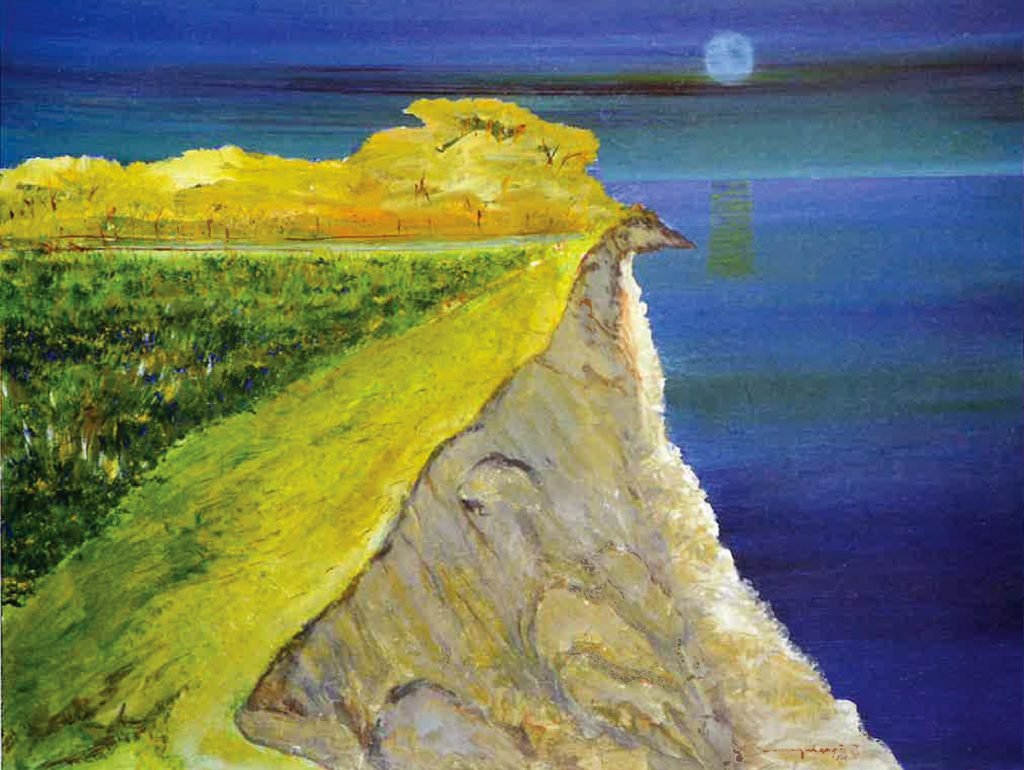
Artist Syed Jahangir operated as an unstoppable and elemental force in an age of temporary aesthetic trends and rapid digital distractions. His creations refuse to offer a simple and comforting narrative. Instead, they demand a complete and unhurried sensory surrender. They invite the reader to slow down, to trace the intricate, chaotic pathways of his sweeping knives, and to feel the eternal, invisible pulse that connects the wet mud of the riverbanks to the infinite horizons of the cosmos.
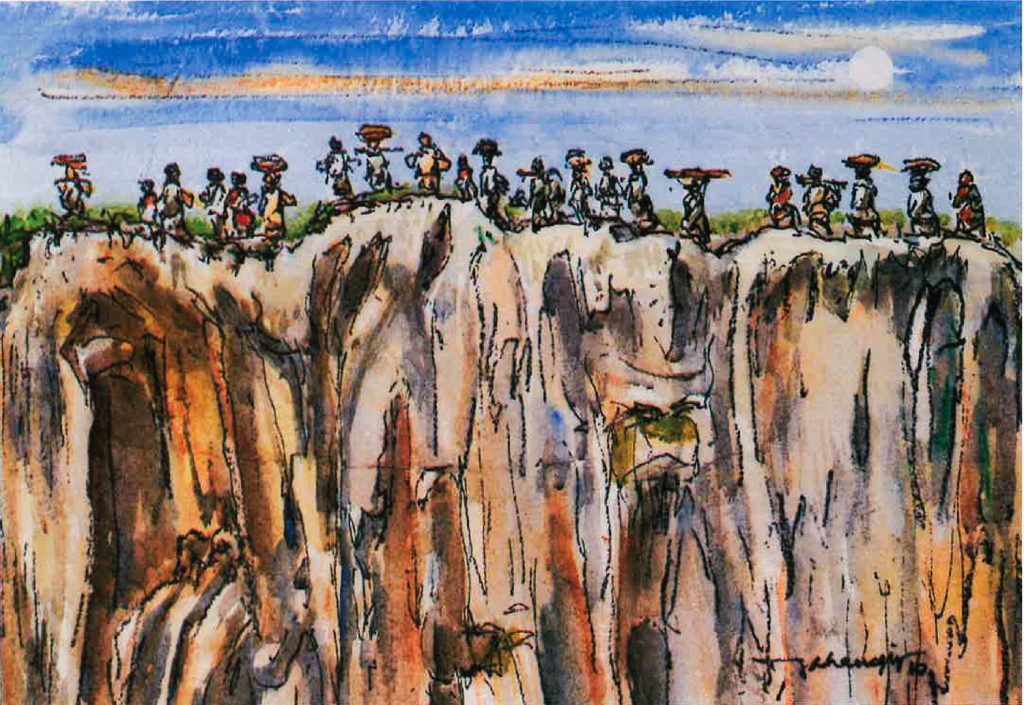
Through his singular vision, the canvas ceases to be a passive object and transforms into an enduring monument of planetary resilience and human expression.