ACCORDIVATOR (Accord + Activator), a thesis project by MD Munsurun Nabi Rudra (2024), developed at the Chittagong University of Engineering & Technology (CUET), Bangladesh, under the guidance of Studio Mentors Ar. Prof. Sajal Chowdhury and Ar. Rezuana Shoma, and supervised by Ar. Nusrat Jannat Keya presents a forward-thinking vision for the future of entrepreneurial spaces in Bangladesh. Designed for a site in Tejgaon, Dhaka, the project explores how architecture can actively support and foster the country’s growing startup culture.
The idea behind Accordivator comes from a strong social observation. In Bangladesh, traditional jobs are often considered more secure and respected than starting a business. This mindset can discourage many young people and aspiring entrepreneurs. Rudra’s project challenges this belief by creating a space that celebrates entrepreneurship and gives it social acceptance. The design aims to make entrepreneurs feel valued and included, rather than isolated.
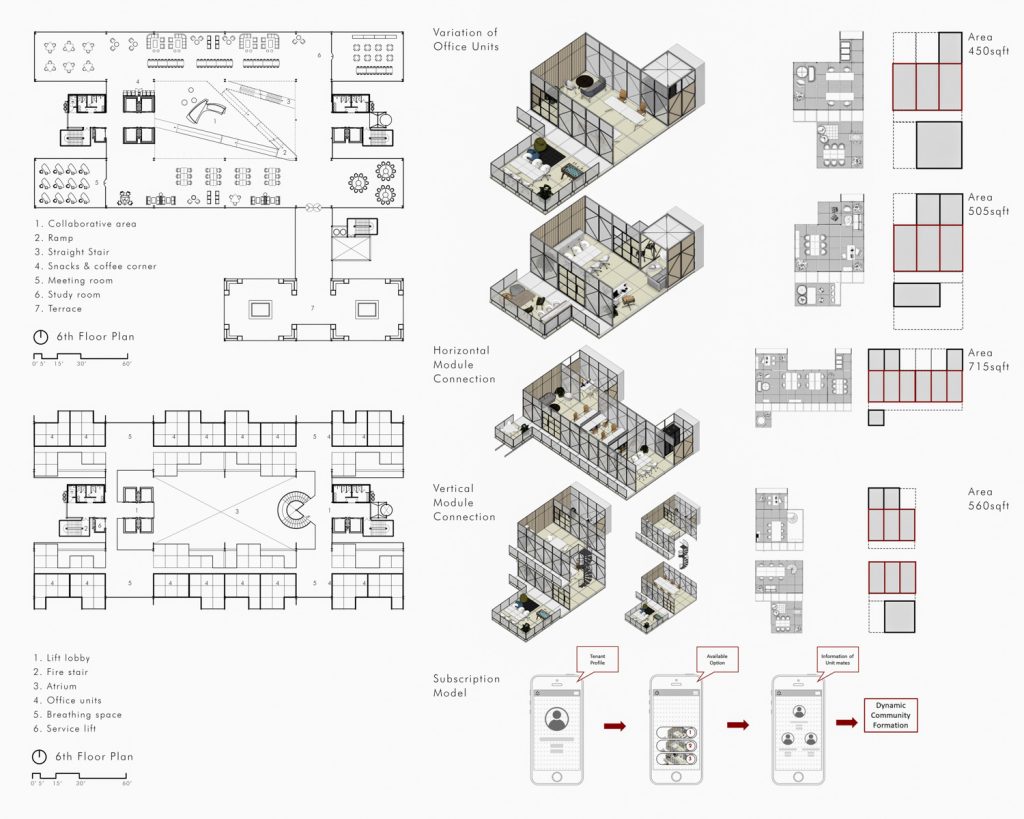
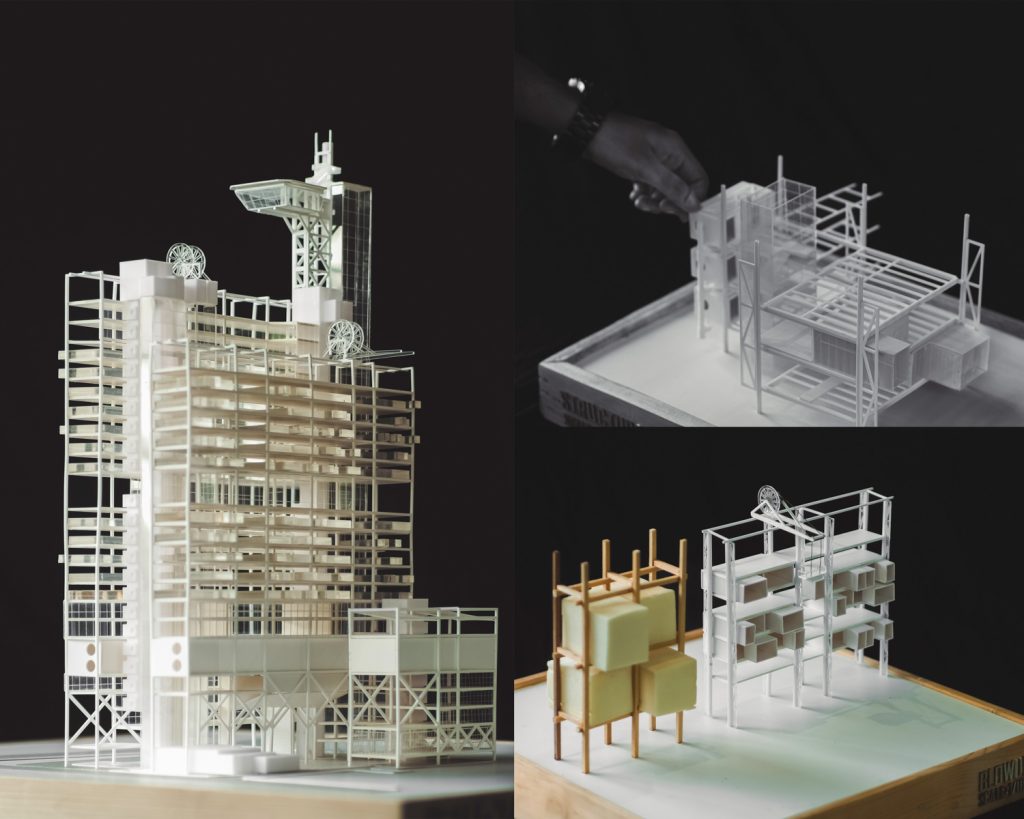
At its core, the project focuses on creating an affordable, flexible, and adaptable commercial environment. It responds to the evolving demands of modern businesses, especially startups that require dynamic, customizable workspaces. Instead of fixed layouts, the building is designed with modular components that allow spaces to be adjusted according to individual needs. This approach offers flexibility to reduce the material waste and make the design more sustainable.

One of the most interesting aspects of Accordivator is its concept of a “commercial campus within a building.” The design brings together different functions, encouraging interaction, collaboration, and growth.
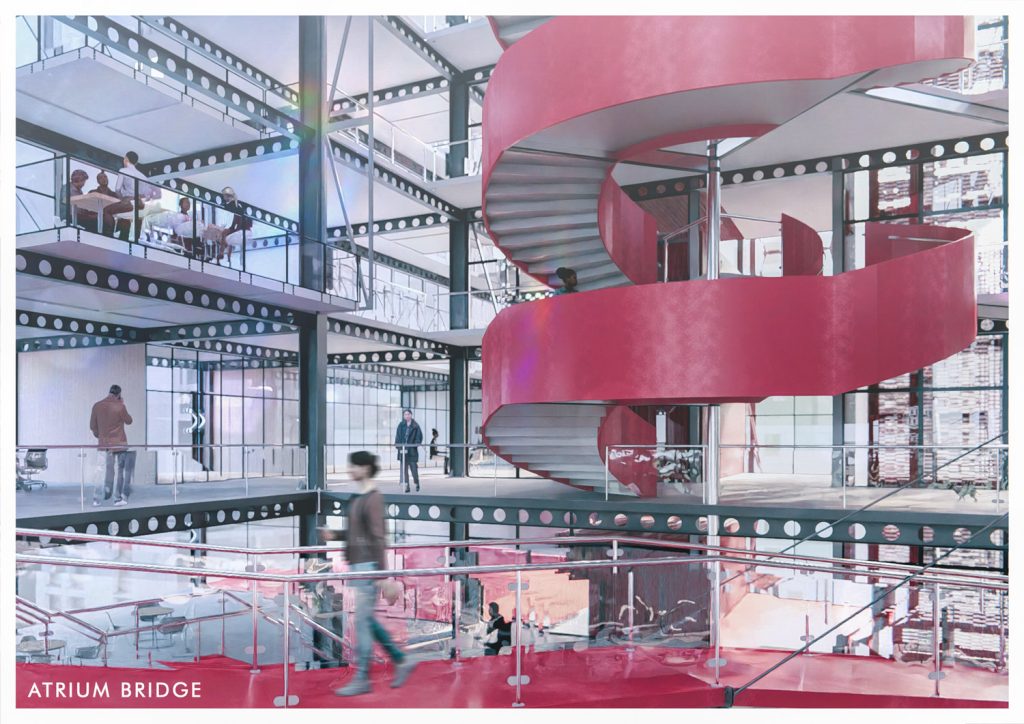
Sustainability is also a key focus. The building is designed to make maximum use of natural resources, especially daylight, reducing energy consumption. The structure is imagined as an open “rig system,” allowing the building to grow or shrink based on demand. This metabolic approach ensures that the architecture remains relevant and adaptable in the long run.
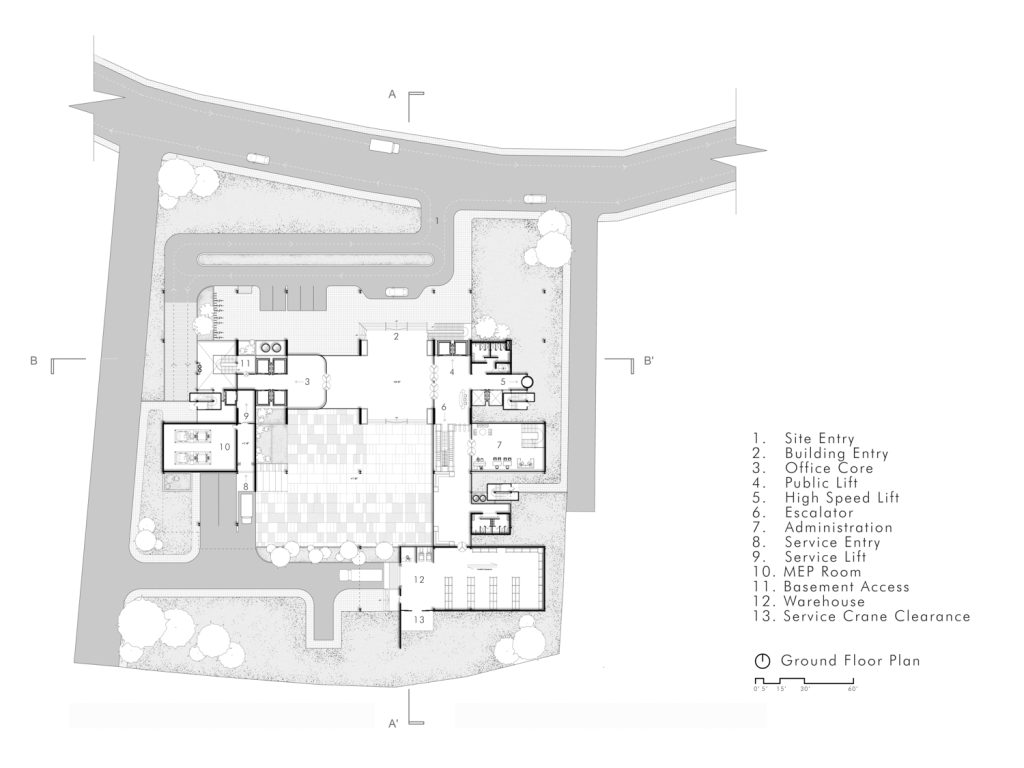
To support this system, a warehouse is included in the design. This space stores building components, allowing materials to be reused within the project and potentially shared with other similar buildings in the future.

Accordivator is a thoughtful response to a social and economic challenge. By combining flexibility, sustainability, and a strong conceptual foundation, Rudra’s thesis proposes a new way of thinking about commercial architecture in Bangladesh. It envisions a future where architecture provides space and actively supports innovation, collaboration, and growth.